REVIEW · RIO DE JANEIRO
Football in Rio: Visit to the Flamengo Museum
Book on Viator →Operated by Gray Line Brazil · Bookable on Viator
Flamengo trophies hit different in Rio. I love the trophy-to-timeline feel of the Flamengo Museum, and I like that you can pair it with a stand-on-the-grounds Gavea facilities tour for the full football flavor. The one catch: this is a guided, time-boxed visit, so don’t plan on wandering at your own pace for hours.
The museum and club tour move in a steady, story-driven way. You get English-led commentary, and one highlight you’ll want to know is that a guide named Michael is specifically praised for smart navigation through crowds and finding a great mid-field viewing spot. Plan your outfit ahead, because there’s a strict rule about clothing from other clubs.
In This Review
- Key things to know before you go
- Flamengo Museum and Gavea: the football-fan route in Rio
- Inside the Flamengo Museum: trophies, symbols, and multi-sport pride
- The best way to enjoy museum time
- Gavea facilities tour: where training still happens
- A realistic expectation: you’re not “on your own”
- Timing and duration: planning for the real Rio schedule
- How long should you block on your day?
- Price and value: what you’re really paying for
- Meeting point and getting there: Lagoa is your reference point
- Clothing rules: the one detail you should not ignore
- Who should book this tour, and who might skip it
- Practical photography and “don’t miss” moments
- Should you book Football in Rio: Flamengo Museum?
- FAQ
- Is the Flamengo museum tour offered in English?
- Where do I meet the tour, and where do I redeem my ticket?
- How long does the Flamengo Museum visit take?
- How long is the combo option that includes the Gavea facilities tour?
- What are the available start times?
- Does the tour include tickets to the Flamengo Museum?
- Is the Gavea facilities tour included automatically?
- Are food and drinks included?
- Are there any dress code rules?
- Are young children allowed?
- Can the itinerary change during the Gavea tour?
Key things to know before you go
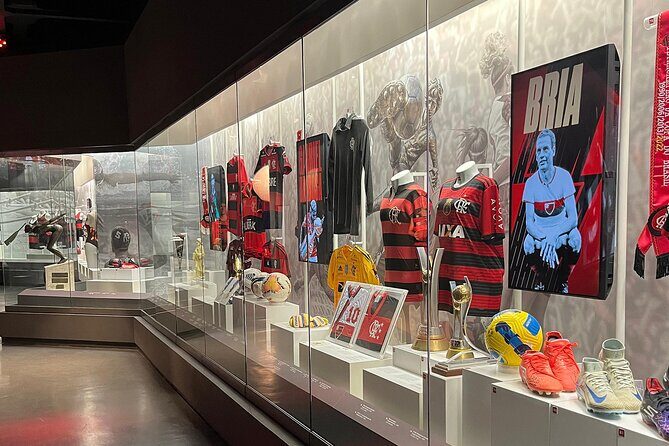
- Museum timeline from 1900 to 2019: expect trophies spanning multiple sports, starting with early rowing achievements.
- Manto Sagrado replicas: you’ll see the famous sacred red-black mantle used as part of Flamengo’s big-title story.
- Gavea isn’t just soccer: water park training plus basketball, volleyball, gymnastics, and more.
- Specialized guides: expect Flamengo-first explanations, plus practical group management like crowd navigation.
- Time slots matter: museum visits and the combo tour run on set schedules, not open-ended roaming.
- Dress code rules: you can’t wear gear from other clubs on any tour.
Flamengo Museum and Gavea: the football-fan route in Rio
If you care even a little about Brazilian football culture, this stop in Rio makes sense fast. Flamengo is the red-black giant, and this experience helps you understand why that fandom is so loud. You’re not just looking at photos. You’re walking through a club story told with trophies, sports milestones, and training-ground reality.
The value here is that you can choose how deep you go. A museum-focused visit gives you the big picture of Flamengo’s achievements. Add the Gavea facilities tour, and you’ll see where athletes train now, not just where the legends posed.
And yes, you’ll need a camera. Not because it’s a flashy theme park, but because the collection and key symbols are made for close viewing. If you’re into details like the club’s signature honors, you’ll be glad you brought your phone and you checked your battery.
You can also read our reviews of more museum experiences in Rio de Janeiro



Inside the Flamengo Museum: trophies, symbols, and multi-sport pride
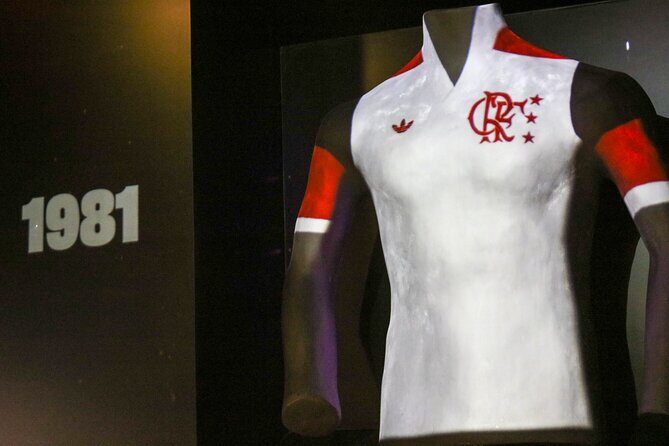
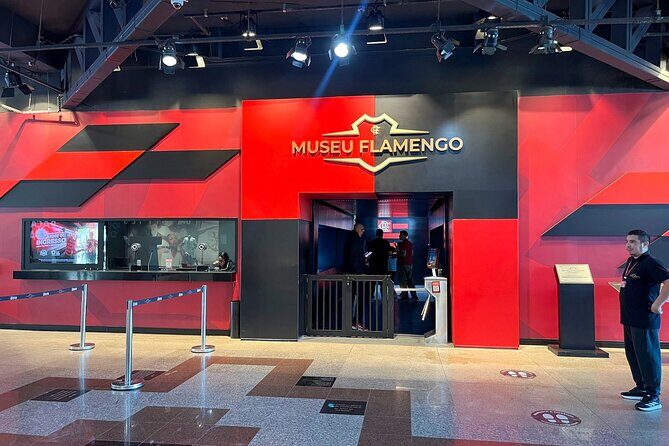
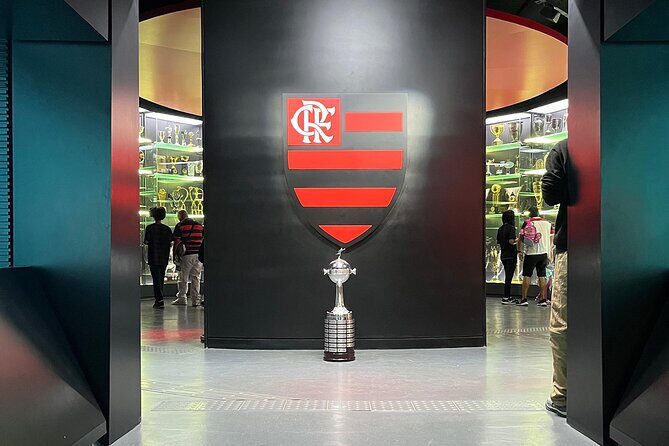
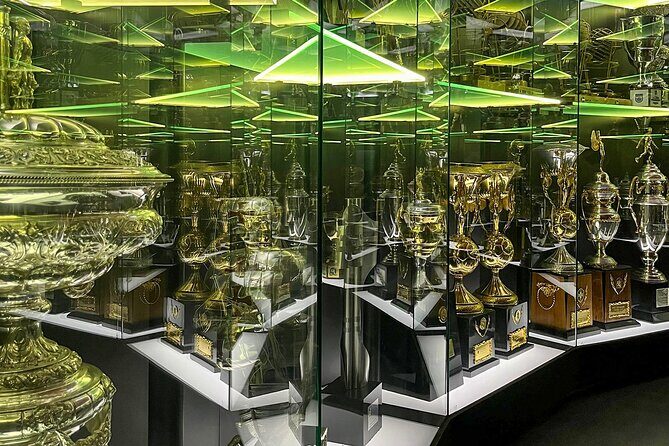
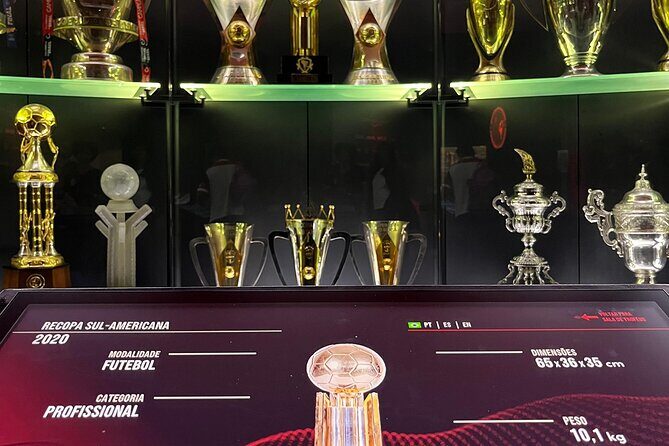
The museum experience is built like a guided sprint through Flamengo’s achievements, starting very early. You’ll move through a modern, constantly renewing museum space that covers the club’s roots and its long rise. Flamengo was born in 1895, and the display timeline stretches from the first trophy in rowing in 1900 through major club milestones including the Libertadores da América title in 2019.
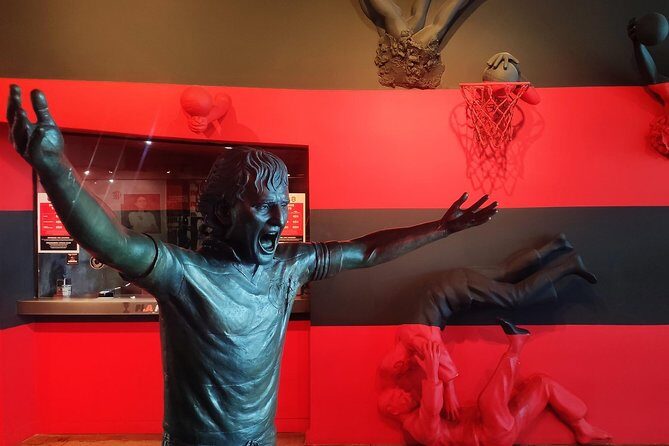
What I like about this museum layout is how it connects football to everything Flamengo used to be. You’ll see trophies won not only by soccer, but also by other sports practiced by the centenary club. That matters because Flamengo isn’t just one team. It’s a sports institution with a fan base that treats the red-black identity like a family heirloom.
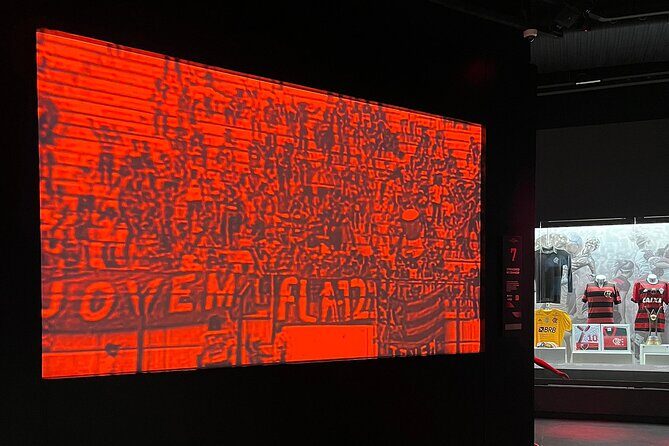
A key moment in the museum is the 1981 World Clubs Championship storyline. You should look out for the Manto Sagrado (Sacred Mantle) replicas, because this isn’t just a random artifact display. It’s tied to the emotional vocabulary of Flamengo supporters: the kit, the symbolism, the feeling of being part of something bigger than a single match.
You’ll also see images and reports, plus a broad collection that tracks the club’s sporting trajectory over more than 100 years. For football fans, the payoff is perspective. Instead of thinking of Flamengo as only a modern powerhouse, you start seeing it as a long-running machine that produces moments year after year.
Practical note: the museum time on site is relatively short (about 30 minutes on average), but that’s not a problem if you come with curiosity. Use that time to zoom in on the trophy cases and the timeline, then let the guide connect the dots as you go.
The best way to enjoy museum time
- Aim to listen for the guide’s connections between sports, not just the dates.
- Don’t treat trophy viewing like sightseeing. Treat it like reading the club’s biography.
- If you care about photos, be ready to lift your camera quickly when the guide points out key items like replicas and signature awards.
Gavea facilities tour: where training still happens
If you book the combo option, the visit continues at Clube de Regatas do Flamengo’s Gavea grounds. This part is where the experience shifts from museum-history to day-to-day sport. You’re not walking through a display of the past. You’re seeing a club campus built for ongoing competition.
The flow starts with the water park area. This is where club members attend on sunny days for leisure, and where athletes in swimming, water polo, and artistic swimming train for national and international competitions. Even if you’re a pure football person, you’ll likely appreciate this. Flamengo’s identity includes disciplines beyond soccer, and the facilities show that in a physical, concrete way.
Next comes a pass through the administrative building, followed by stops around tennis courts. Then the tour moves to the pitch itself. This is the field where Flamengo’s professional squad played and trained in the past, and it still gets matches today. What’s cool is that the pitch continues to host matches for young and women’s soccer teams, so you’re seeing a living program, not a museum prop.
One reason this tour feels better than a generic stadium stop is the guide’s storytelling. The tour guide is specialized in Flamengo, and you’ll hear stories and adventures tied to the club’s culture. This is also where the tour can feel a bit more personal: the guide knows what matters to fans, and they keep steering you toward the points that help you understand Flamengo’s obsession with identity.
Then the tour expands beyond soccer again. You’ll also see basketball and volleyball courts, the gym for artistic gymnastics, a fight center, and more. Flamengo didn’t just build a football brand. It built a full sports campus, and you can see that across multiple facilities.
A realistic expectation: you’re not “on your own”
This is a guided campus tour with a set route, and that’s a plus for first-timers. You get help finding the best viewing areas (including, in at least one experience, a strong mid-field vantage), and you avoid the confusion of wandering around a large sports complex.
If you want total freedom, this might feel too structured. But if you want context and flow, the structure helps.






Timing and duration: planning for the real Rio schedule
This experience has a clear rhythm. The museum visit typically lasts about 30 minutes, and it can start at any time within the day’s operating window. The first visit starts at 9am, and the last one starts at 5:30pm.
The combo option (museum plus Gavea facilities) lasts around 60 minutes on average, and it starts every hour. So if you’re trying to stitch this into a day packed with other sights, you’ll want to pick a time slot that matches your pace.
It’s also worth knowing that the experience description sets an approximate total duration of 40 minutes to 1 hour 30 minutes, depending on which option you choose. That range is big enough that you should check your exact booking option so you’re not surprised by how quickly the schedule moves.
How long should you block on your day?
- Museum-only: plan about 40 minutes total door-to-door, because you’ll want time for meeting, entry, and photos.
- Combo: plan closer to 1.5 hours total if you want breathing room for your walk and photos.
Price and value: what you’re really paying for
At $31.76 per person, this isn’t the cheapest thing in Rio. But it is strong value for what you get: admission to the Flamengo Museum, a guided tour, and (if you choose the combo) the Gavea facilities visit ticket.
A big part of the value is English. Not every football-related activity in Rio is comfortable for non-Portuguese speakers, and an English option means you can actually follow the story as you walk, rather than playing catch-up with signage.
The other value is focus. This visit is designed around one club identity, with a clear timeline and a clear campus walk. That saves you energy. You’re not trying to piece together logistics alone, and you’re not guessing what’s worth your attention.
Two “price-related” considerations to keep in mind:
- Transportation to and from your hotel isn’t included. So you’ll want a plan for how you get to the meeting point.
- Food and drinks aren’t included. Build in a snack stop before or after, especially in hot weather.
Meeting point and getting there: Lagoa is your reference point
You’ll redeem your ticket at Av. Borges de Medeiros, 997, Lagoa, Rio de Janeiro, RJ, 22430-041. It’s near public transportation, which helps if you’re hopping between neighborhoods.
In practice, I’d treat this meeting point as a “Rio afternoon anchor.” It’s a reasonable start when you’re already spending time around Lagoa, or if you want a structured activity in the middle of your sightseeing plan.
If you’re coming from farther across the city, double-check travel time in peak hours. Rio traffic can be dramatic, and you don’t want to arrive stressed when the tour itself is time-boxed.
Clothing rules: the one detail you should not ignore
This experience has a clear attire restriction: entry with clothing from other clubs, national and international, isn’t allowed on any tour.
That’s easy to handle if you pack like a fan for the day. If you’re wearing a jersey from another team, you might be turned away or asked to change.
Also remember the weather guidance:
- On hot days, use light clothes, sunglasses, and sunscreen.
- On rainy days, bring an umbrella or raincoat.
This matters because parts of the campus walk can be in open areas. You’ll enjoy it more if you stay comfortable.
Who should book this tour, and who might skip it
This is a great fit if you’re any of these:
- A Flamengo fan, or a football fan who loves club culture.
- Someone who enjoys sports history told through real trophies and artifacts.
- A first-time visitor who wants a guided activity that’s easy to place on a schedule.
- A family group that wants a structured outing with a clear theme.
It might be less ideal if:
- You want a long, unstructured experience where you can wander freely for hours.
- You’re only interested in a match-day stadium vibe. This is more about history and facilities than about game-day spectacle.
- You’re hoping to arrive in another club’s shirt and play it by ear. The clothing rule is strict.
Practical photography and “don’t miss” moments
You’ll likely get the best photos when you focus on the big visual anchors: trophy cases, the timeline points, and symbolic items like the Manto Sagrado replicas. When a guide points something out, pause your walking for a moment. The guide’s pacing is built around visibility and explanations.
If you’re doing the combo, use the pitch stop as your second photo priority. You’re not just looking at grass. You’re seeing where Flamengo’s pro team played and where young and women’s teams still play matches.
And if you’re visiting in rainy or very sunny weather, plan your camera strategy too. You’ll get better results if you protect your gear and keep your energy up.
Should you book Football in Rio: Flamengo Museum?
If you want football culture you can understand quickly, this is a solid booking. The museum gives you the long-view story, including major honors from across Flamengo’s multi-sport identity. Add the Gavea facilities tour, and you get the added payoff of seeing training grounds that are still active today.
I’d especially recommend it to first-timers who like guided context and don’t want to guess their way through a large club campus. The time is manageable, the focus is clear, and the English option keeps the experience accessible.
You might skip it if you’re looking for a match-day stadium experience or for free-form roaming. In that case, you’d be happier with something built around a game or a longer independent visit.
FAQ
Is the Flamengo museum tour offered in English?
Yes. This experience is offered in English.
Where do I meet the tour, and where do I redeem my ticket?
You redeem your ticket at Av. Borges de Medeiros, 997 – Lagoa, Rio de Janeiro – RJ, 22430-041, Brazil.
How long does the Flamengo Museum visit take?
The museum tour lasts an average of about 30 minutes.
How long is the combo option that includes the Gavea facilities tour?
The combo tour lasts an average of about 60 minutes.
What are the available start times?
The first museum visit starts at 9am, and the last one starts at 5:30pm. The museum tour can start at any time within that period. The combo tour starts every hour.
Does the tour include tickets to the Flamengo Museum?
Yes. Ticket to the Flamengo Museum is included.
Is the Gavea facilities tour included automatically?
The Gavea tour is included if you select the combo option. Otherwise, you do the museum visit only.
Are food and drinks included?
No. Food and drinks are not included.
Are there any dress code rules?
Yes. Entry with clothing from other clubs, national and international, isn’t allowed on any tour.
Are young children allowed?
Children up to 5 years old are exempt.
Can the itinerary change during the Gavea tour?
Yes. The Gavea Tour itinerary can be changed according to the availability of the club.