REVIEW · RIO DE JANEIRO
Favela Tours
Book on Viator →Operated by Be a Local Tours · Bookable on Viator
Rocinha shows Rio in a whole new way. I loved the up-close walk with a local guide and the tremendous viewpoints from the hillside, which give you real perspective fast. One thing to plan for: expect steep stairs and uneven cobblestones, so this is best if you have moderate walking fitness.
You’ll start in Copacabana and travel by van to the upper part of the community, then spend about three hours going street by street. The tour can run in Rocinha (the best-known stop) or in Tavares Bastos, depending on the day. Many people come for the safety-and-context combo, especially with guides like Patrick (often mentioned), plus Fernando and Luis.
This is also a tour where politics and daily life overlap. You can feel it when your guide talks about community challenges, development, and why respecting residents matters so much, so come with a flexible mindset and follow instructions closely.
Key highlights to know before you go
- Rocinha or Tavares Bastos: you’ll be taken into the community by van, then guided on foot
- City views from the hillside: you get major Rio panoramas in a surprisingly personal way
- Local life in focus: businesses, childcare, and resident art come up naturally as you walk
- Small group size (max 19): easier to navigate the narrow streets without feeling crowded
- Photo rules matter: some areas restrict pictures, so you’ll need to ask and follow the guide
- Safety comes from behavior: you’re guided through do’s and don’ts, not just told to stay calm
In This Review
- Rocinha’s City Views and Street-Level Reality in About 3 Hours
- Where You Meet in Copacabana and How Pickup Works
- Van Up, Then Foot Down: What Your Route Likely Looks Like
- What You Learn About Daily Life: Businesses, Childcare, and Art
- The View Stops: Getting Panoramas Without Feeling Like You’re Watching From Afar
- Safety in a Real Neighborhood Comes From Your Guide—and Your Behavior
- What to Wear and Bring for Steep Stairs and Uneven Ground
- Price and Value: Is $47 Worth It?
- Who This Tour Suits Best (and Who Should Skip It)
- Should You Book This Rocinha (or Tavares Bastos) Favela Walk?
- FAQ
- How long is the Favela Tours experience?
- Where does the tour start, and what time?
- Does the tour include hotel pickup?
- What’s included in the price?
- Do they always tour Rocinha?
- Is there any flexibility if plans change or weather is bad?
Rocinha’s City Views and Street-Level Reality in About 3 Hours

If you’ve only seen Rio from viewpoints and postcards, a Rocinha walk changes your mental map. This tour is built around movement: a short van ride up, then time on foot where you can see how people live, work, and create right in the middle of the city.
The best part for me is how quickly you get perspective. You’re not stuck with a far-away look; you’re walking along real streets and then suddenly stepping into views that open up the whole city. That contrast—steep alleys down below, skyline up above—is the kind of moment that sticks.
It’s also a practical way to “get it” without turning Rio’s favela story into a scary movie scene. You learn how daily life works, including the kinds of services residents run and the art they produce, not just headlines about crime or politics.
Where You Meet in Copacabana and How Pickup Works
You meet at R. Barata Ribeiro, 111 in Copacabana. The start time is 9:30 am, and the tour ends back at that same meeting point.
If you choose the pickup option, you’ll get hotel pickup and drop-off in the central district and South Zone. If you’re staying elsewhere, plan to reach the meeting point using public transportation, since it’s described as being near transit.
Why this matters: a favela tour can be easier or harder depending on how cleanly you can get to the start. Starting in Copacabana is convenient for many first-timers, and returning to the same point keeps your logistics simple after a few hours of uphill walking.
You can also read our reviews of more tours and experiences in Rio de Janeiro.



Van Up, Then Foot Down: What Your Route Likely Looks Like
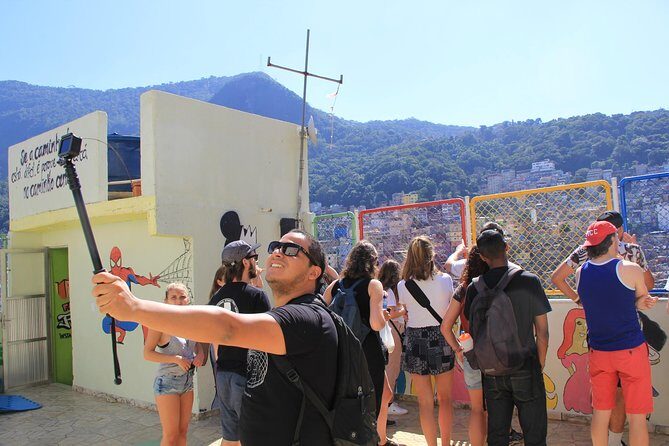
You begin by heading from the van to the upper part of the community, then walking around by foot through the interior. The tour route can be in Rocinha or Tavares Bastos, and either way, the rhythm is similar: short stretches, frequent turns, and constant changing sightlines.
Expect to visit various little “towns” within the community as you go, rather than doing one single stop and calling it a day. This is the difference between a checklist experience and one where you actually understand how the neighborhood functions.
A lot of the value comes from the guide’s navigation skills. With Rocinha, the streets can feel like a maze, and multiple people mention that their guide helped them move through it confidently—while still keeping the walk meaningful, not just “keep up.”
What You Learn About Daily Life: Businesses, Childcare, and Art
The tour’s education isn’t trapped in a lecture. As you move from place to place, you naturally see how residents make life work—through local businesses, community services, and creative work.
People describe learning about things like childcare and the everyday motivation that helps families aim for something bigger than gang influence. Some guides, including Patrick, are specifically mentioned in connection with mentoring work for kids, and that context can change how you interpret what you see on the street.
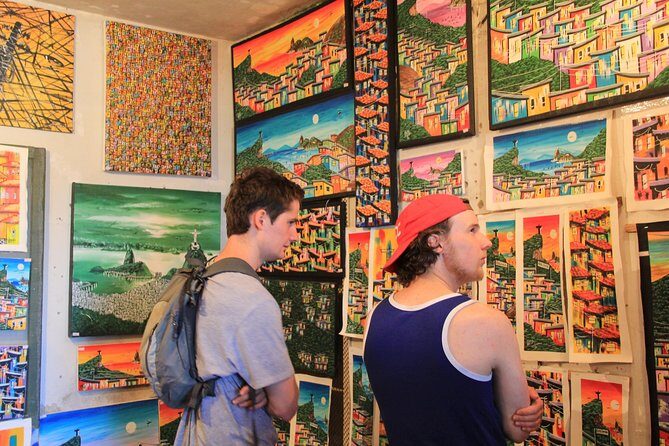
You’ll also get access to resident-run art and craft. Souvenir shopping isn’t the focus in a pushy way, but it’s part of the experience. From what’s been shared, you may stop in places where you can browse gallery art, handmade jewelry, and even bakery items. The key is that it tends to feel like supporting a neighbor-run business, not selling you a gimmick.
Practical note: there can be places where photos aren’t allowed. One person mentioned that at times photos weren’t permitted, even though people still tried—then the pictures were deleted. My advice is simple: if you’re unsure, ask first and follow the guide’s call.
The View Stops: Getting Panoramas Without Feeling Like You’re Watching From Afar

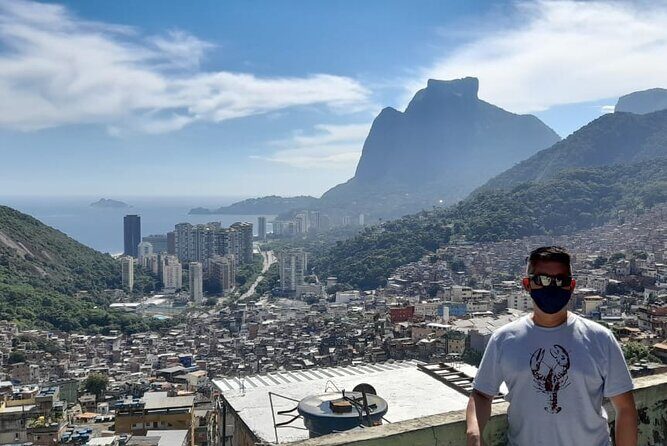
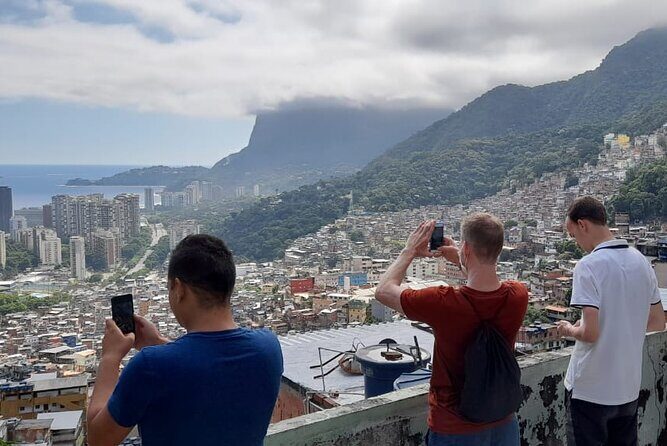
One reason this tour keeps earning strong ratings is the way the views are built into the walk. You’ll see tremendous city scenery from hillside points, and those moments help you connect the favela to the wider Rio you already know.
What I like about this setup is that it avoids the “stand in one spot and take photos” routine. The viewpoints come after you’ve already walked through enough streets to understand why those heights matter for daily life and access.
If you care about photos, bring your patience. Narrow paths and changing angles are part of the deal, and the best shots often come right when you’re transitioning from tight alleys to open sightlines. Keep your phone secure and avoid stopping in the middle of the walkway.
Safety in a Real Neighborhood Comes From Your Guide—and Your Behavior
This is one of those tours where safety isn’t a slogan. People repeatedly describe feeling safe because the guide manages the experience: where you walk, how you move, and what’s appropriate.
Guides are described as showing clear do’s and don’ts. That might sound like standard advice, but in practice it changes your comfort level because you’re not guessing. You’ll also be reminded—directly—that you need to be respectful to residents and follow instructions.
On top of that, some comments mention that politics can come up more than you might expect. One person even said the guide felt a bit pushy on politics. The honest way to interpret it: in a place like Rocinha, politics and daily life aren’t separate topics. A guide who talks about community challenges is often doing it because that’s part of how residents explain their world.
So come prepared for conversation, not just scenery. If you’re tense about politics, tell yourself you’re here to understand life from the inside—politics is one of the tools for explaining that.





What to Wear and Bring for Steep Stairs and Uneven Ground

This tour is described as requiring moderate physical fitness. Multiple people highlight the steep climbing, uneven surfaces, and narrow walkways.
One review specifically pointed out that a couple in senior years didn’t realize how much terrain difficulty they’d face. That’s a big clue: if you struggle with stairs at home, this might not be your best match.
My practical checklist:
- Wear sturdy shoes with grip for uneven cobblestones
- Bring water, since the tour doesn’t include food and drinks
- Plan for slow, steady walking; don’t rush your group
- Expect stairs and tight paths even if you take breaks
If you want an “easy stroll,” keep looking. If you’re okay with a workout and a meaningful experience, you’ll likely find the effort worth it.
Price and Value: Is $47 Worth It?

The price is $47 per person for about 3 hours. That’s not a huge budget item for Rio, especially because you’re getting more than a photo stop.
Here’s what you’re paying for:
- A local guide (the main value driver)
- A structured visit into Rocinha (or Tavares Bastos)
- Hotel pickup and drop-off if you select that option
- Admission is listed as free, which helps keep costs down
What’s not included: food and drinks. So budget a little extra for hydration and snacks, even if your guide provides occasional small extras. Reviews mention a free drink and snack in at least one case, but you shouldn’t count on it as a guarantee—plan as if you’ll need your own.
One more angle on value: you’re spending money that can support local businesses during the walk. If you want a souvenir, this is often where it can feel most respectful, since you’re buying directly from resident-run spots rather than from a tourist counter.
Who This Tour Suits Best (and Who Should Skip It)
This is ideal if you:
- Want a first-timer-friendly favela introduction that focuses on daily life
- Enjoy walking and don’t mind steep stairs
- Prefer small-group pacing (max 19 travelers) over big-bus tours
- Care about art, community services, and the human side of neighborhoods
It’s less ideal if you:
- Need a low-impact experience with minimal stairs
- Struggle with uneven surfaces and narrow paths
- Expect a strictly “politics-free” explanation
The best version of this tour happens when you treat it like a guided neighborhood visit: ask questions, follow instructions, and keep your attention on people—not on stereotypes.
Should You Book This Rocinha (or Tavares Bastos) Favela Walk?
Yes, if you want a smart, guided way to see Rio beyond the usual viewpoints. The combination of small group size, hillside views, and learning about real community life is exactly what makes Rocinha tours worthwhile for many people.
Book it if you’re comfortable with stairs and you want context, not just photos. Skip it if mobility is a concern, because the walking terrain is part of the experience.
If you can, choose the hotel pickup option for easier logistics, and plan to bring water since food and drinks aren’t included.
FAQ
How long is the Favela Tours experience?
It’s about 3 hours (approximately).
Where does the tour start, and what time?
The meeting point is R. Barata Ribeiro, 111 – Copacabana, and the start time is 9:30 am. The tour ends back at the meeting point.
Does the tour include hotel pickup?
Hotel pickup and drop-off is included if you select that option, and it’s available in the central district and South Zone.
What’s included in the price?
The included items are a local guide and hotel pickup/drop-off if selected. Admission is listed as free. Food and drinks are not included.
Do they always tour Rocinha?
The tour can take place in Rocinha or in the community of Tavares Bastos.
Is there any flexibility if plans change or weather is bad?
You can cancel for a full refund up to 24 hours before the start time. The experience requires good weather, and if it’s canceled due to poor weather, you’ll be offered a different date or a full refund.