REVIEW · RIO DE JANEIRO
Favela Rocinha Tour with Local Guide & Secret Spots
Book on Viator →Operated by Rio As A Local · Bookable on Viator
Rocinha changes your mental map fast. This 2.5-hour tour in Rio focuses on the real rhythms of Rocinha, Rio de Janeiro’s largest favela, with guidance from people who know the streets. I like that you start with a short Capoeira and Samba presentation, and I really like having a local guide such as Gisèle who explains how life works there and how rules are lived, not feared.
You’ll walk through parts of the community and, depending on the route (and time of day), you may also take a moto taxi up toward higher viewpoints. One thing to consider: there are extra costs for the moto taxi (R$10 per person) and for the “secret spots” (R$5 per person), so I recommend budgeting a little beyond the base price.
In This Review
- Why This Rocinha Tour Is More Than a City Walk
- Price and Logistics: What You’re Really Paying For
- Meeting Point: Easy Start, No Guesswork
- Entering Rocinha with a Local Guide (and a New Way to Look)
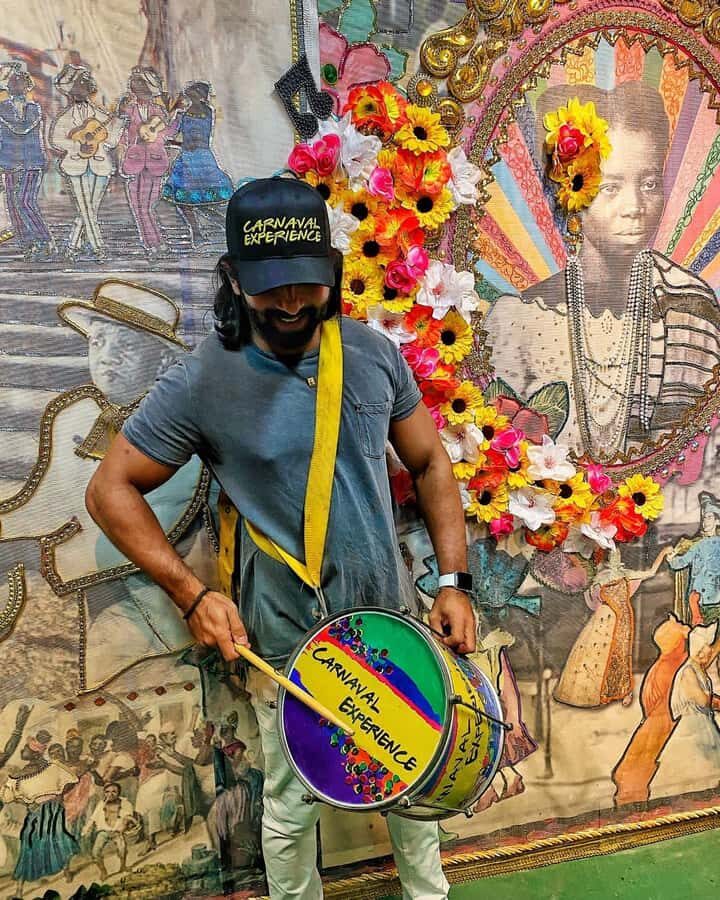
- Stop 1: Capoeira and Samba Intro That Sets Context
- Walking the Neighborhood: What the Route Usually Feels Like
- Tips that help (based on what this format implies)
- Moto Taxi Viewpoint: The R$10 Upgrade That Helps Night Tours
- Secret Spots: Small Fee, Big Payoff for Curious Walkers
- Night Tour Option: When Local Life Shows Up Clearly
- What You’ll Take Home (Besides Photos)
- Who This Tour Fits Best
- Should You Book This Favela Rocinha Tour?
- FAQ
- FAQ
- How long is the Favela Rocinha tour?
- What’s included in the ticket price?
- Are there extra fees?
- Where does the tour start?
- Does it end at the meeting point?
- What language is the tour offered in?
- How big are the groups?
- Do I need to print a ticket?
- Is the tour weather dependent?
- What’s the cancellation window?
Why This Rocinha Tour Is More Than a City Walk
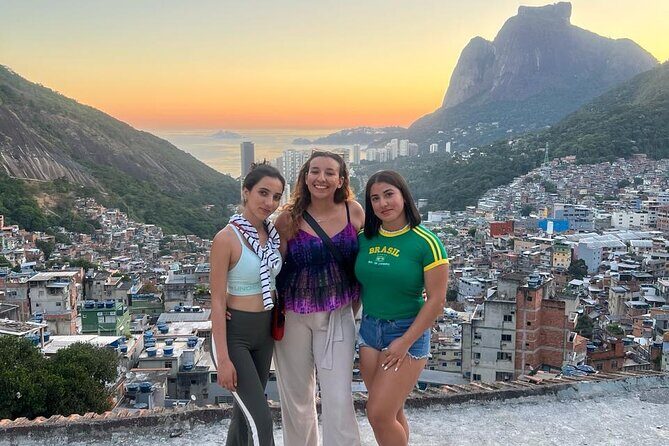
Rocinha is often talked about in scary, one-size-fits-all terms. This tour tries to correct that by doing something simple: it puts you in the neighborhood with a local guide who can translate what you’re seeing. You’re not just collecting photos; you’re learning how people live, move, and communicate in a place that’s complicated in every way.
The format helps. It’s only about 2 hours 30 minutes, capped at a maximum of 10 travelers, so you’re not lost in a crowd. It also includes the access fee to enter the favela area, plus local guiding—meaning you’re not trying to figure out where to go on your own while also worrying about etiquette.
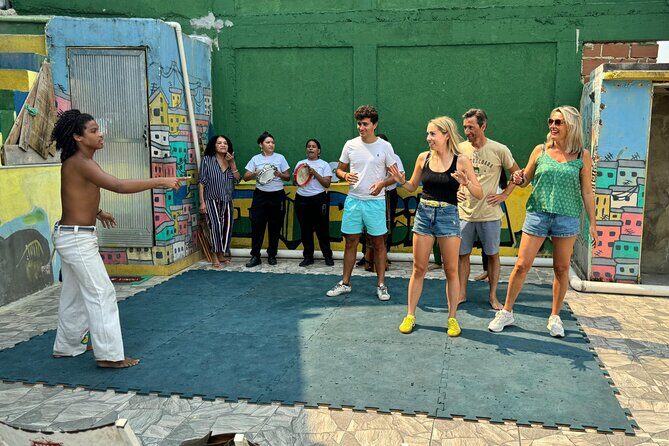
There’s also an energy shift built in. Starting with capoeira and samba isn’t random entertainment. It sets context: the neighborhood has its own culture in daily use, not just in staged performances.
Price and Logistics: What You’re Really Paying For
At $46.85 per person for about 2 hours 30 minutes, the price feels fair for Rio, especially because the tour includes:
- A short presentation of Capoeira and Samba
- Local guiding
- A favela access fee
- A mobile ticket
- English-language hosting
The main “add-ons” are clear upfront:
- Moto taxi fee: R$10 per person (not included)
- Secret spots visitation fee: R$5 per person (not included)
If you want the best value, plan to treat those fees as optional upgrades rather than surprises. The night experience is where the extra viewpoint time really shows up. One review notes a night tour at 6:30pm that began with a moto ride to the top, where you can see the lights across the whole area—then continued with walking through different neighborhoods and local nightlife.
You can also read our reviews of more guided tours in Rio de Janeiro



Meeting Point: Easy Start, No Guesswork
The tour meets at Metrô São Conrado / Rocinha (Saída A) on R. Gen. Olímpio Mourão Filho, 320 in São Conrado. The end point is back at the same meeting point.
Why this matters: you can line this up with other Rio plans without a long “how do I get there later?” headache. Also, the meeting point is stated as near public transportation, which helps if you’re managing your schedule around traffic.
You’ll receive confirmation at booking time, and the ticket is mobile, so you should be able to show up without hunting through paper.
Entering Rocinha with a Local Guide (and a New Way to Look)
The biggest reason this tour works is simple: the guiding isn’t just “here’s where you take a photo.” It’s about explanations—what you see, why you see it, and how daily life is organized.
In one standout review, a guide named Gisèle focused on the idea that people often assume favela areas are dangerous. Her approach, according to that experience, was to explain daily life and also clarify that proper rules exist and are respected. That’s the kind of framing you want, because it changes your behavior immediately. You walk more thoughtfully, and you ask better questions.
This also ties into what makes the tour feel less like a standard excursion. One review described it as culture immersion that didn’t feel like a typical tour. Whether or not you call it that, you’ll likely feel the difference in how the route is discussed—less script, more conversation.
Stop 1: Capoeira and Samba Intro That Sets Context

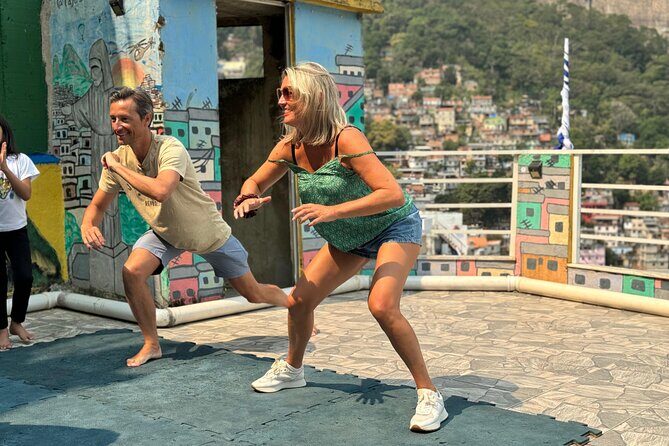
The tour includes a brief presentation of Capoeira and Samba at the start. Think of this as a warm-up that gives you “labels” for what you might notice next while walking.
Capoeira and samba aren’t treated as museum pieces here. They’re used as a cultural key—something that helps you understand that Rocinha isn’t only defined by what outsiders assume. It has its own creative language, and that creative language shows up in community life.
If you enjoy music and movement, this is a nice way to start without needing prior knowledge. And even if you’re not into dance, the intro gives you a baseline so the rest of the walk makes more sense.
Walking the Neighborhood: What the Route Usually Feels Like

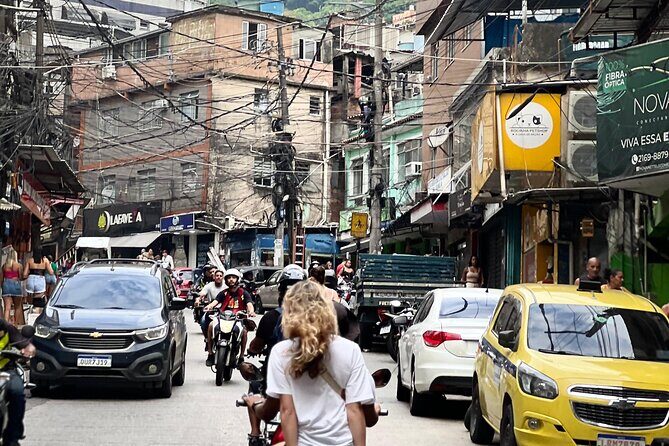
After the cultural intro, you’ll shift into guided walking through Rocinha. The goal is to let you see different areas, talk through what’s happening around you, and learn the logic behind the route.
Here’s the key expectation to set: some parts can feel intense or unusual at first glance. One review even said some areas might seem unquestionable or dangerous, but the route and explanations make it feel like a unique, good experience rather than a reckless one. In other words, if you’re nervous going in, don’t cancel your curiosity—go prepared to rely on your guide’s direction.





Tips that help (based on what this format implies)
- Keep your questions simple: How do people use this space? Who takes care of what?
- Watch how your guide times the route and where they pause—those pauses usually come with explanations.
- If you’re sensitive to crowds or noise, plan for that and pace yourself.
Moto Taxi Viewpoint: The R$10 Upgrade That Helps Night Tours
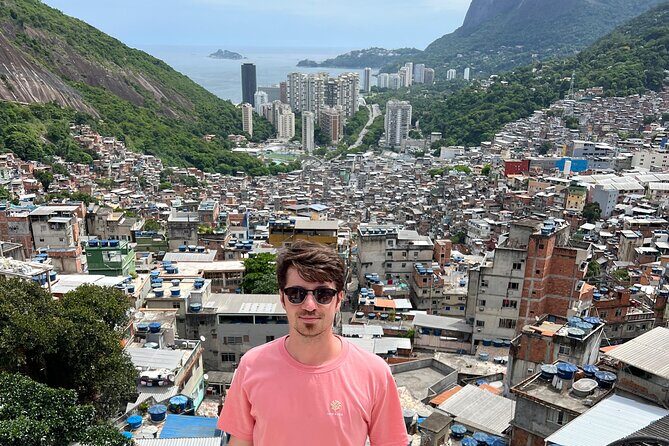
The moto taxi isn’t included, but it’s a big part of what makes the night format memorable. One review of a 6:30pm night tour with Jade says it started with a moto ride to the top, with views of lights stretching across the entire area.
Even if you’re doing a day tour, you should assume the viewpoint portion is a common theme. The extra fee (R$10 per person) is small compared with what you’d likely spend on a private transport or a separate viewpoint ticket.
If you’re considering the upgrade, ask yourself one question: do you want the “from above” perspective? If yes, budget for the moto taxi fee.
Secret Spots: Small Fee, Big Payoff for Curious Walkers
The tour also offers secret spots visitation for an extra R$5 per person. From the night-review description, those secret spots are worth it because they add variety after the main walking route—places with a different angle on community life.
I treat secret spots fees like this: they’re not essential, but they’re often where the guide can show you something that won’t be on an obvious sightseeing circuit. If you like being led off the standard path—responsibly and with a local—that fee is usually a good match.
Night Tour Option: When Local Life Shows Up Clearly
If you can choose timing, the night tour has a distinct advantage. The review with Jade specifically called out that the nighttime route shows local nightlife where culture comes alive, including night-time drinking areas.
That’s not the same as a party tour. It’s more like you get to see how Rocinha functions after dark—how people socialize, how the streets feel, and how the light changes your perception.
If you’re taking photos, night can be both better and harder. You’ll be moving and in less controlled lighting, so expect more “snapshots” than perfect postcards.
What You’ll Take Home (Besides Photos)
This tour is best for travelers who want more than surface-level sightseeing. The strongest praised aspects point to a few takeaways:
- Local guiding with real explanations, including myth-busting about danger
- A clear culture start with capoeira and samba
- A route that can include nightlife context (on evening tours)
- Secret spots that add “why didn’t I know about this?” moments
And that last part matters. A lot of visitors come to Rio with assumptions built from headlines. This experience nudges you toward a different mental model: Rocinha as a living community with structure, culture, and people who communicate their reality through daily life.
Who This Tour Fits Best
This is a strong pick if you:
- Want a short, focused tour rather than a long half-day or day excursion
- Prefer learning from a local guide instead of reading a guidebook later
- Like culture components (capoeira and samba) tied to the place you’re walking through
- Are interested in an evening look at Rocinha, especially if you want to understand nightlife from inside the neighborhood
It may be less ideal if you:
- Hate walking in tight areas for any reason
- Don’t like routes where you might feel “out of your comfort zone” visually (even if your guide keeps things sensible)
- Want a tour with lots of formal monuments and set-piece sights
Should You Book This Favela Rocinha Tour?
I think you should book it if your goal is to understand Rocinha through people, not through fear. The base price includes the cultural intro, guiding, and access fee—so you’re paying for entry and interpretation, not just a walk.
Choose it with confidence if you like small groups (max 10) and you’re open to a route that may feel intense at first glance but makes sense with a knowledgeable local guide like Gisèle or Jade.
But if you dislike any extra add-on fees, or you want zero uncertainty in the experience, consider that the moto taxi and secret spots have separate charges. For me, that’s not a deal-breaker—it’s part of how the experience can scale up when you want those extra moments.
FAQ
FAQ
How long is the Favela Rocinha tour?
It’s about 2 hours 30 minutes (approximately).
What’s included in the ticket price?
The tour includes a brief presentation of Capoeira and Samba, local guiding, and a favela access fee.
Are there extra fees?
Yes. The moto taxi fee is R$10 per person and secret spots cost R$5 per person. Both are not included in the base price.
Where does the tour start?
It starts at Metrô São Conrado / Rocinha (Saída A) at R. Gen. Olímpio Mourão Filho, 320, São Conrado, Rio de Janeiro.
Does it end at the meeting point?
Yes. The tour ends back at the same meeting point.
What language is the tour offered in?
The tour is offered in English.
How big are the groups?
The tour has a maximum of 10 travelers, so it’s small.
Do I need to print a ticket?
No. You get a mobile ticket.
Is the tour weather dependent?
Yes. It requires good weather. If it’s canceled due to poor weather, you’ll be offered another date or a full refund.
What’s the cancellation window?
You can cancel for a full refund if you cancel at least 24 hours before the experience’s start time.