REVIEW · RIO DE JANEIRO
Afro Walking Tour – Samba and resistance (Pedra do Sal)
Book on Viator →Operated by Rio by Foot - Tours · Bookable on Viator
Step into Rio’s Afro roots on foot. This 4-hour Pedra do Sal walking tour pairs street-level sights with a visit to Cidade do Samba, so you get both the neighborhood story and Carnival’s living heartbeat in one afternoon. You’ll move through named Rio landmarks that many first-timers skip, with a guide bringing the route to life.
I especially like the small-group limit (15 people max)—it keeps the pace human and makes it easier to ask questions. I also like that the tour includes your ticket into Cidade do Samba, so you’re not scrambling for entry details while everyone else is moving on.
One consideration: the walk includes several stops around central Rio, and you’ll need moderate physical fitness for the time on your feet. Also, pay close attention to guide attendance on the day—there have been reports of no-shows, so it’s worth arriving early and following any contact instructions you receive.
In This Review
- Key things to know before you go
- Why this Pedra do Sal samba-and-resistance walk hits harder than sightseeing
- Small-group pacing: how the 4 hours stay friendly (and not rushed)
- Stop-by-stop: what each section of the route is really doing for you
- Meeting at CCBB: a smart central starting point
- Olympic Boulevard: modern Rio as a contrast, not a distraction
- Tomorrow’s Museum: where the future tone sets up the theme
- Small Africa and the Pedra do Sal spirit: where the theme turns real
- New Port of the City: you’ll start seeing how change affects culture
- UNESCO-area heritage: context you can’t fake with photos
- Kobra’s Mural Ethnias and the world’s largest graphite: street art as memory
- The walk closes at Largo São Francisco da Prainha (Saúde): ending in a real neighborhood feel
- Cidade do Samba: the one-hour ticketed highlight
- Price and value: is $50 a fair deal?
- Who should book this walk (and who might want another plan)
- One thing to watch: guide no-shows can ruin the whole day
- Should you book Afro Walking Tour – Samba and resistance (Pedra do Sal)?
Key things to know before you go
- Small group, 15 max: easier questions, less waiting around, better group flow.
- Cidade do Samba ticket included: you’re paying for the experience that matters most to the theme.
- Afro-focused route: you’ll pass through areas tied to Black Brazilian culture and the samba legacy.
- Real landmark variety: Olympic Boulevard, Tomorrow’s Museum, UNESCO-area sights, and public art.
- A stop for famous street art: the Mural Ethnias by Kobra and the world’s largest graphite are on the route.
- No hotel pickup/drop-off: you’ll meet at CCBB and walk from there, so plan your transport in advance.
Why this Pedra do Sal samba-and-resistance walk hits harder than sightseeing
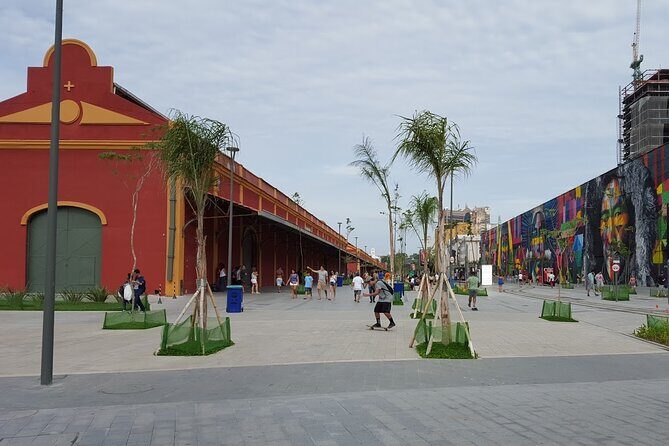
Rio can be loud, fast, and very “tour-bus.” This tour chooses a different tactic: walking. Not just to see places, but to connect them—starting at Centro Cultural Banco do Brasil (CCBB) and ending at Largo São Francisco da Prainha (Saúde). That end point matters because it places you back in the city’s older, lived-in fabric rather than delivering you right back to the hotel zone.
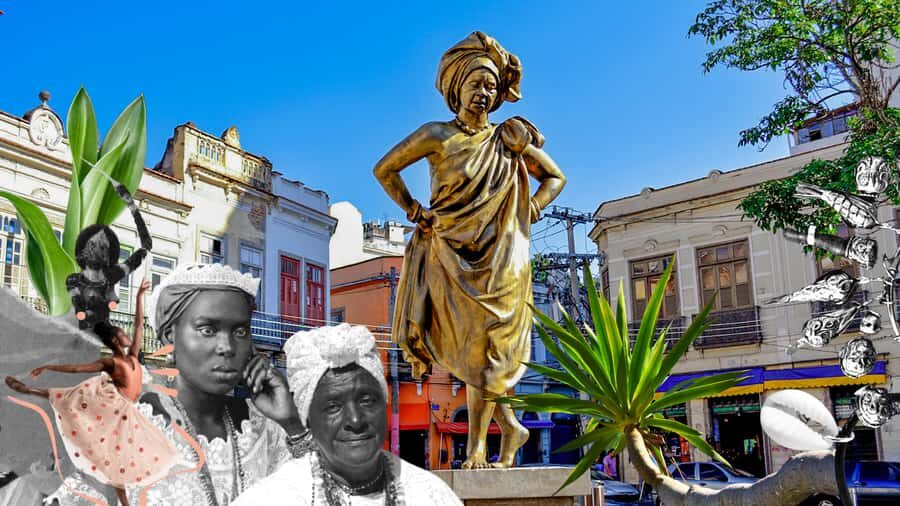
The theme—Samba and resistance—isn’t an abstract poster slogan. You’re guided through spots that fit the story: Small Africa, a visit connected to Cidade do Samba, and public-art stops like Mural Ethnias by Kobra plus the largest graphite in the world. Even if you’re not a samba expert, the structure helps you understand why this culture shaped Rio’s identity, not just its entertainment schedule.
Practical benefit: because it’s only about 4 hours, you can do it without burning an entire day. You’ll still be able to eat well afterward, catch a sunset plan, or hit another neighborhood—rather than ending the day exhausted in a long transit loop.
You can also read our reviews of more walking tours in Rio de Janeiro



Small-group pacing: how the 4 hours stay friendly (and not rushed)
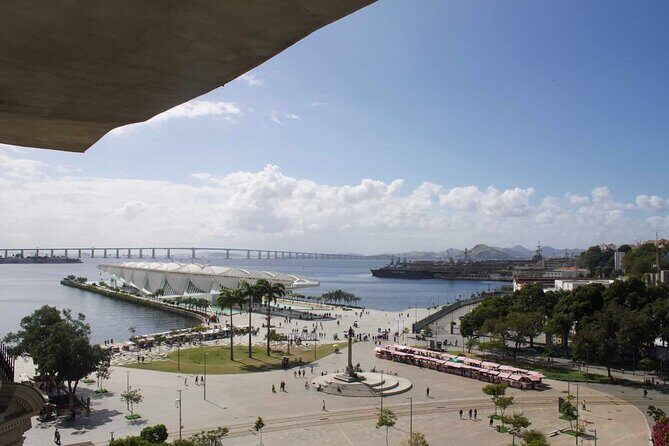
This experience is priced at $50 per person and runs about 4 hours. The group cap is 15, which is huge for a city-walk. With a larger group, you usually lose time at intersections, people get separated, and the guide has to switch into lecture mode. Here, your guide can keep a conversational pace and adjust when the group slows down for photos or questions.
You’ll also get a concrete value anchor: entry to Cidade do Samba is included, and the visit there is about 1 hour. That’s the kind of “fixed” part that makes the whole afternoon feel worth it. The rest is built around walking time between stops like Olympic Boulevard, Tomorrow’s Museum, and UNESCO-area sites—variety that makes the tour feel like more than just a single-spot visit.
The only pacing drawback is simple: it’s still a walking tour. You should expect a moderate amount of time on your feet. If you tend to cramp easily or hate stairs, plan for breaks and wear good shoes. (Rio cobblestones don’t care about your vacation mood.)
Stop-by-stop: what each section of the route is really doing for you
Meeting at CCBB: a smart central starting point
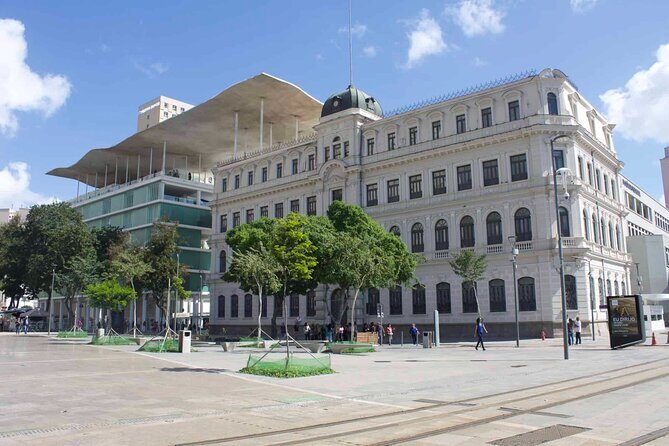
You start at Centro Cultural Banco do Brasil (CCBB), R. Primeiro de Março, 66, Centro. Starting in a recognizable cultural hub is practical: you can get there more easily than a random side street, and you know you’re in the right place. It also sets the tone—this isn’t just wandering; it’s structured with real context.
From the first leg, you’ll be moving toward a mix of sports/modern identity and Afro-Brazilian neighborhood references. That early shift matters. It teaches you how Rio layers its identities in different parts of the city.
Olympic Boulevard: modern Rio as a contrast, not a distraction
Next on the route is Olympic Boulevard. You’re not going here because you love stadiums. You’re going because Rio’s story is split between eras: global spectacle and local survival. Using a modern landmark early helps you later notice the difference between what Rio shows to the world and what it remembers in daily life.
If you’re someone who thinks “modern buildings don’t belong in history tours,” this stop is your reminder that history isn’t only old stone. It’s also how a city reorganizes itself.






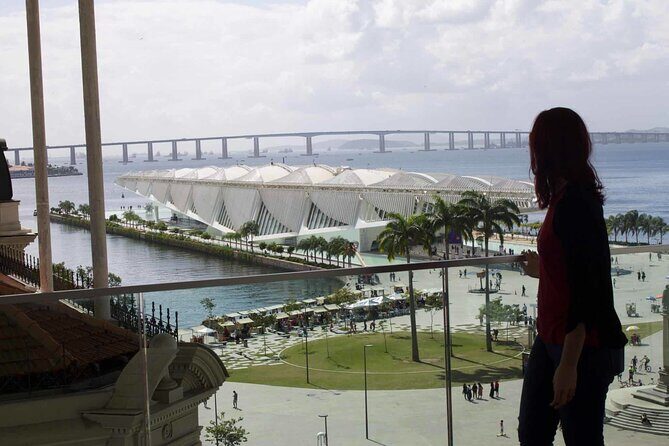
Tomorrow’s Museum: where the future tone sets up the theme
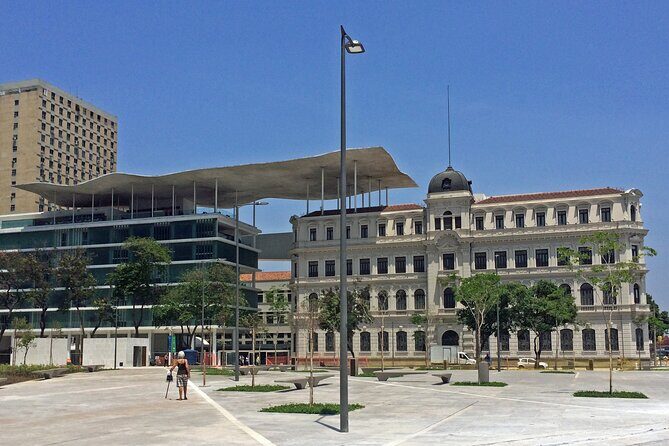
Then you’ll pass by or visit Tomorrow’s Museum. I see this stop as a pacing and mindset reset. After moving through a major boulevard area, the tour stays on track while giving you a moment of “what does Rio become next?” That’s useful because it frames the Afro story of samba and resistance not as museum material, but as something that keeps shaping culture.
In practice, expect it to be a quick stop—enough for context and orientation—rather than a long interior experience (since the itinerary list doesn’t suggest a long museum block).
Small Africa and the Pedra do Sal spirit: where the theme turns real
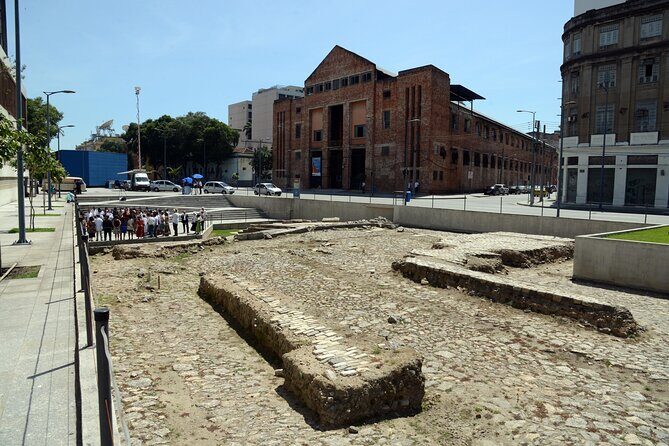
One of the most meaningful stops is Small Africa. This is the heart of the experience’s promise: you’re walking in a part of Rio connected to Afro-Brazilian presence and cultural memory. If you’ve ever felt like Rio’s samba reputation is treated like just entertainment, this section is where the tour pushes back—showing how the culture carried identity and resistance through time.
Even if you don’t know the details before you start, the guide’s job here is clear: connect place to meaning. And because the tour is small, you’ll have more chances to ask follow-up questions instead of losing them while people shuffle forward.
New Port of the City: you’ll start seeing how change affects culture
You’ll also pass New Port of the City. Ports are where movement happens: goods, people, ideas. That makes it a strong companion stop to an Afro-history theme, because change and migration often shape cultural expression.
It’s not a “sit down and watch a documentary” moment. It’s a walking-viewpoint moment. You’ll likely notice the scale and the modern planning vibe, then the guide will connect that to how neighborhoods and traditions survive alongside development.
UNESCO-area heritage: context you can’t fake with photos
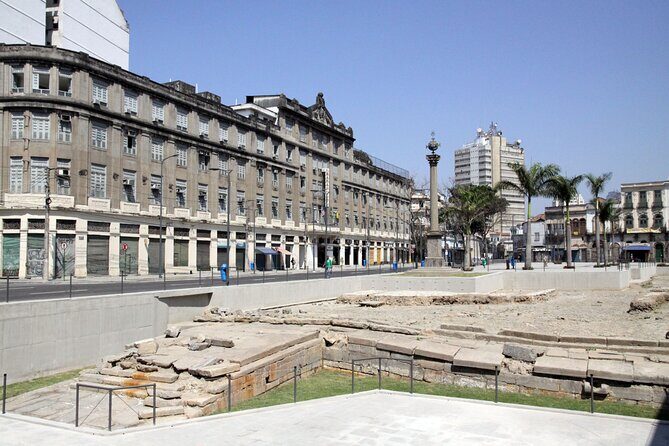
Next is the World historical heritage (UNESCO) stop. UNESCO status is listed as part of the route, so the tour is treating it like more than a checkbox. This is where you get broader context for Rio’s older layers and why certain areas matter enough to be protected or recognized.
This stop is also useful for visitors who want proof that a neighborhood story has international significance. You can take pictures, yes—but you should also listen for why the site is recognized and how that ties back to the Afro cultural presence in the surrounding area.
Kobra’s Mural Ethnias and the world’s largest graphite: street art as memory
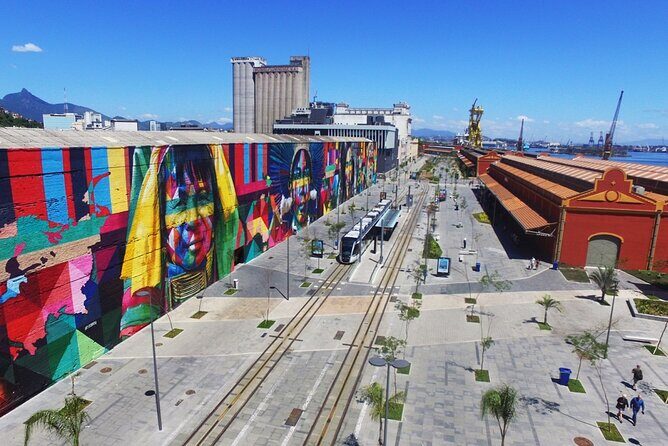
You’ll reach Mural Ethnias by Kobra. The itinerary specifically calls out that mural plus the largest graphite in the world. This is a visually loud part of the walk, but it’s not just for Instagram frames.
Street art like this often works like a public archive—visible, political, and built for people who live there. Seeing it during an Afro-focused tour makes the visual elements carry more weight. You’re not just looking at color. You’re watching a message become part of the city’s physical identity.
One practical tip: bring your camera batteries charged. Stops like these go fast once the group gathers around the best angles.
The walk closes at Largo São Francisco da Prainha (Saúde): ending in a real neighborhood feel
Your tour ends at Largo São Francisco da Prainha, Saúde. That’s a useful finishing location because it doesn’t feel like the tour ends by dropping you somewhere generic. You’ll be positioned in an area that helps you continue your day without feeling like you were pushed back to a starting gate.
Cidade do Samba: the one-hour ticketed highlight
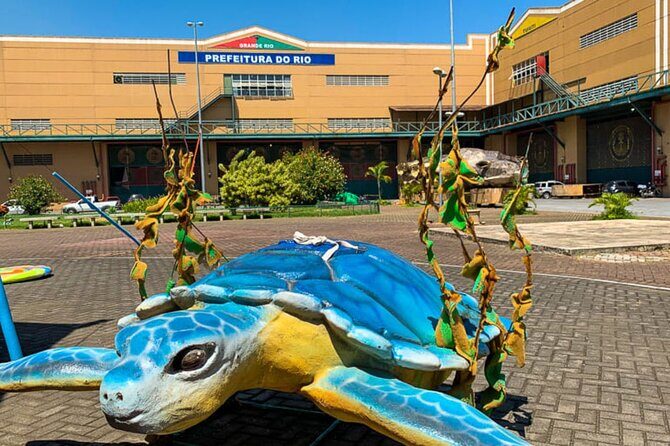
The centerpiece is Cidade do Samba (listed as Stop 1). You’ll spend about 1 hour there, and the admission ticket is included.
This is important: samba isn’t only a street vibe—it’s also an organized cultural engine tied to Carnival Rio de Janeiro and the school of samba tradition. Cidade do Samba is the place where that infrastructure lives. That means your tour doesn’t stop at symbolism and murals. It takes you into the operational side of the culture.
If you’re deciding between doing this tour vs. doing a museum-only afternoon, this ticketed block is the difference. You get a structured experience in a setting specifically tied to Rio’s samba world, not just scenery.
One consideration: one hour can fly through the main areas. Go with a curious pace and don’t let photo-taking slow you so much that you miss the best parts of the visit.
Price and value: is $50 a fair deal?
At $50 per person, you’re paying for about 4 hours of guided walking plus a ticketed entry to Cidade do Samba. That alone raises the value because the tour isn’t just “guide time” in the abstract; you’re getting an included activity.
What you should also factor in:
- No hotel pickup/drop-off means you’ll need to handle your own transport to CCBB.
- You’re paying more like a “guided experience with entrance” than a basic city walk.
- The small group size (15 max) is part of the value proposition; you’re less likely to feel like you’re in a slow-moving line.
So, is it a deal? In my view, yes—as long as the guide shows up and you’re comfortable walking. With those two conditions met, you’re getting both culture and an actual paid entry experience in one package.
Who should book this walk (and who might want another plan)
This works best for you if:
- You like neighborhood-based history and want the route to be the curriculum.
- You want an Afro-focused perspective on Rio that connects samba to broader identity.
- You’re okay with moderate walking and want a half-day plan.
It might not be ideal if:
- You’re trying to minimize walking time.
- You need a fully indoor plan.
- You’re relying on strict wheelchair-friendly or step-free routes (the provided info only says moderate fitness; it doesn’t specify accessibility).
Language note: there is at least one Spanish-language option indicated in the feedback, so Spanish-speaking visitors may find it smoother.
One thing to watch: guide no-shows can ruin the whole day
Here’s the practical warning I’d give before you commit: there are reports of the guide not showing up and a delay that made it too late to switch plans. That’s not common in a well-run tour, but it’s serious enough to mention.
Your best defense:
- Show up a bit early at the CCBB meeting point.
- Keep the tour confirmation details handy.
- If anything feels off, act fast instead of waiting around.
With that approach, you protect the value of your $50 afternoon.
Should you book Afro Walking Tour – Samba and resistance (Pedra do Sal)?
I’d say book it if you want a walk that’s more than generic Rio highlights—and you’re specifically interested in how samba, identity, and resistance connect. The included Cidade do Samba ticket, the 15-person max, and the mix of landmark stops like Olympic Boulevard, Tomorrow’s Museum, UNESCO-area heritage, and Kobra’s Mural Ethnias make it a strong half-day package.
Skip it (or at least rethink timing) if you can’t afford any risk of a delayed or missed start, because the most negative feedback centers on guide absence. If you’re flexible and you like walking + story, this tour has a lot going for it.
If you do book: arrive early, wear solid shoes, and treat Cidade do Samba as your main “must-see.” The rest of the route will make more sense once you’ve seen samba’s real-world machinery.