REVIEW · RIO DE JANEIRO
Urca Climbing Class
Book on Viator →Operated by Companhia da Escalada · Bookable on Viator
Rock climbing in Rio, with training wheels made of rope.
This Urca Climbing Class turns your first contact with rock into a hands-on lesson, and I like how the course is built around repeat climbs (at least 3 times) so you build confidence fast. You’ll also get real instruction on equipment and knots, plus plenty of practice—not just a safety talk. One thing to keep in mind: the activity depends on good weather, so you may need a backup date if conditions are poor.
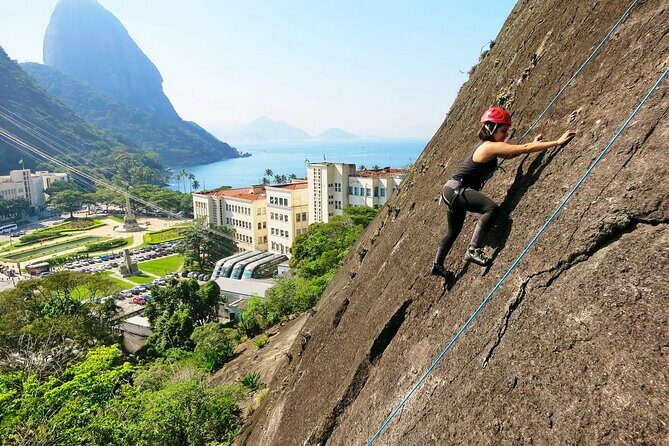
What makes this class especially appealing is the setting. Morro da Babilônia in Urca is close to Rio’s energy, yet it feels like you’re stepping into nature once you start the short trail and reach the rock. It’s also reassuring that instruction is tied to certification by the Brazilian Association of Mountain Guides, with a strong emphasis on safe setup and proper technique.
If you’re nervous about climbing, you’re not alone. The big goal here is to demystify it: rope security, correct positioning, and a focus on leg power (not arm strength) so the whole thing feels more logical than terrifying.
In This Review
- Quick Hits Before You Go
- Morro da Babilônia: Where Your First Climb Makes Sense
- The 3-Hour Class Flow: Gear, Knots, Practice, Repeat
- The value of repetition
- Safety Training That Actually Reassures You
- Guides and Teaching Style: Patient, Serious, and Real
- Price and Value: What $54.21 Really Buys
- What to Bring (and What You Can Skip)
- Weather and Timing: The One Part You Can’t Control
- Who Should Book This Class?
- Should You Book Urca Climbing Class?
- FAQ
- Where does the Urca Climbing Class meet?
- How long is the climbing class?
- What does the price include?
- Do I need to bring climbing gear?
- How high do you climb?
- Will I climb more than once?
- Is there a snack stop?
- Is this a private activity?
- What kind of group size should I expect?
- What if the weather is bad?
- What’s the cancellation timing?
Quick Hits Before You Go
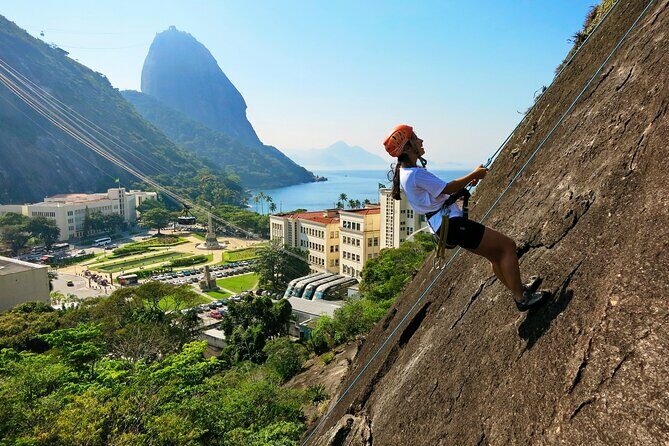
- Morro da Babilônia (Urca) setting: a classic Rio climbing spot reached by a short, pleasant trail.
- Short vertical section, big practice: you climb a 20–30 meter stretch and repeat it at least 3 times.
- Gear included: climbing shoes, chair, helmet, carabiners, brakes, and rope—so you show up ready.
- Technique first: knots, basics of rock climbing, and lots of hands-on repetition.
- Private activity: it’s just your group, with instructor attention geared to you.
- Safety training isn’t an afterthought: you’ll learn how the rope protects you and why legs do most of the work.
Morro da Babilônia: Where Your First Climb Makes Sense
Rio has plenty of views, but this class is different because you’re not just looking down at the city. You’re learning how movement works on rock—right where the climbing community actually trains.
Morro da Babilônia sits in Urca, and the route begins with a short, pleasant walk to the rock face. That “warm-up” matters more than it sounds. You’re already away from the street noise when the instructor starts explaining the basics, so you can focus.
The rock itself is ideal for an initiation. You’re not thrown into something huge and scary. The lesson is built around controlled climbs and repetition, which is the best way to turn fear into familiarity.
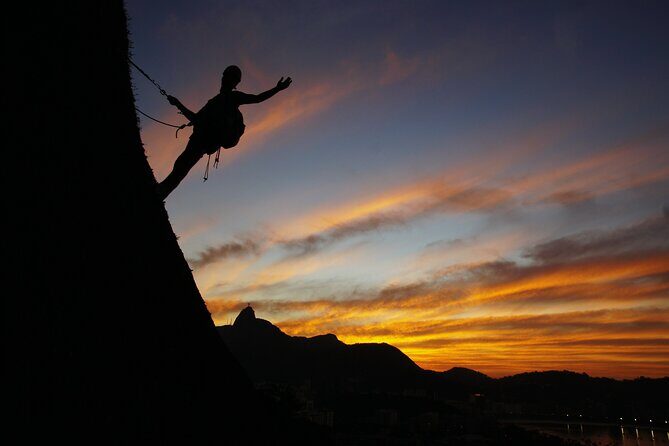
From what’s been described by students, the guides also bring the Rio view into the experience. One person highlighted the view of the Babylonian hill from the climbing area, and that’s the kind of payoff that makes the effort feel worth it even if you’re only starting out.
You can also read our reviews of more tours and experiences in Rio de Janeiro



The 3-Hour Class Flow: Gear, Knots, Practice, Repeat
This is about 3 hours total, and the structure is practical: learn the pieces, practice them, then climb enough times to actually remember what you did.
Here’s how the session typically unfolds:
1) Meet at Urca and get set up
You start at Praça Gen. Tibúrcio, 520 in Urca. It’s easy to reach because it’s near public transportation, and the activity ends back at the same meeting point.
This matters because early-morning directions in Rio can be a bit of a puzzle. Starting in a fixed location with a clear end point helps you plan without stress.
2) Walk to the foot of the mountain
After a short trail, you reach the base area where training happens. Reaching the rock before you start climbing gives you a chance to absorb where you’ll be moving and what you’ll be aiming for.
3) Equipment briefing and knots
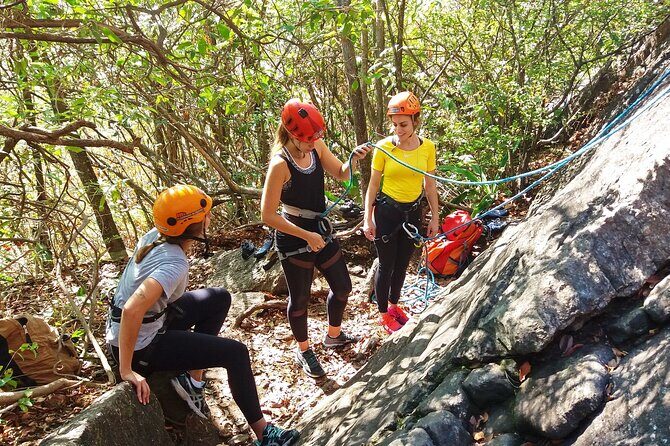
Your guide/instructor explains the sport, the equipment, and the knots used. Expect to learn the basic techniques every climber should know. The emphasis is on understanding the system—how gear connects, how security works, and what you need to do with your hands and feet.
This is one of the best parts of a true beginner class. If someone just hands you gear and says go, that’s how panic starts. Here, the session is designed to make you feel oriented before you’re on the wall.
4) Safety basics: rope does the heavy lifting
You’ll learn how the rope provides security and why most of the force is used by your legs. That message shows up again and again in how people describe the course: it’s not about being super strong in your arms.
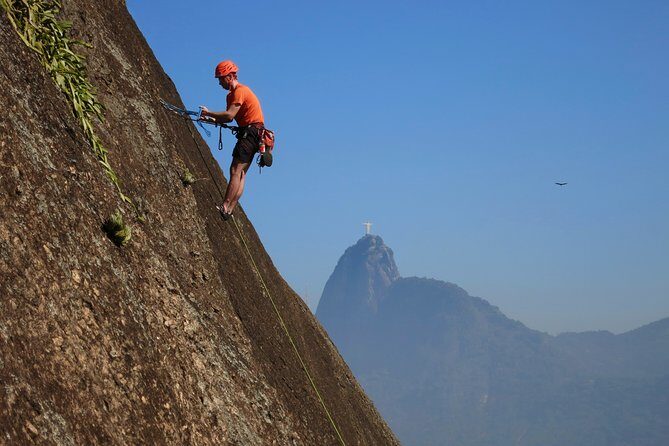
Also, the course uses a chair, helmet, carabiners, brakes, and rope. Those details tell you it’s not casual climbing with random gear. You’re learning proper setup.
5) Climb a 20–30 meter stretch, multiple times
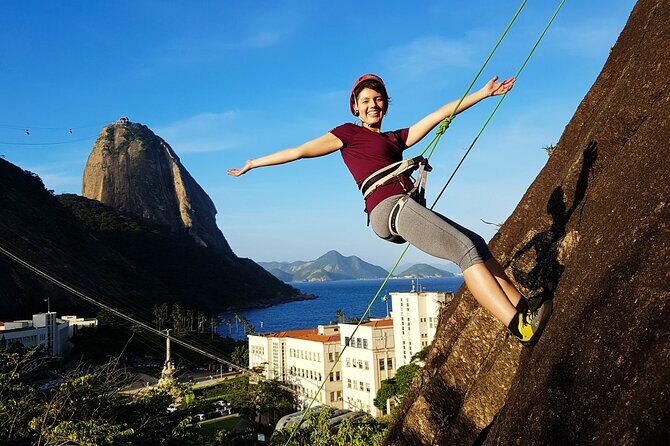
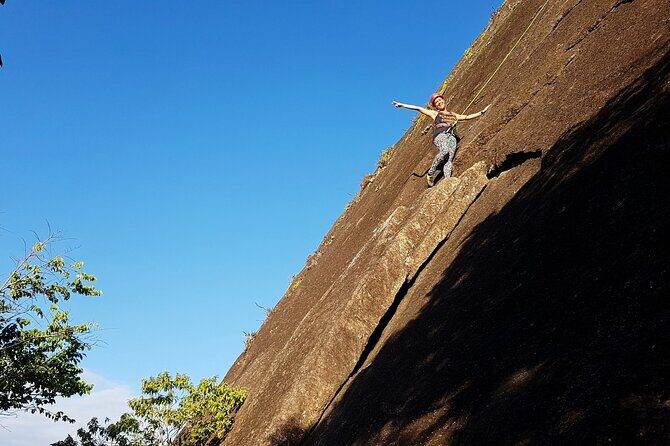
The class includes climbing a small stretch of rock—between 20 and 30 meters—with many emotions but manageable scope for a first class.
And you don’t just go once. The design includes climbing at least 3 times so you can get better during the session, not just survive the first attempt. You’ll also have chances to take photos from your climb experience.
The value of repetition
A single climb can be thrilling, but it rarely teaches. Three tries (minimum) turns the class into a skill lesson. Each time you go up, you correct a tiny detail: foot placement, body position, breathing, or how you move between holds.
Safety Training That Actually Reassures You
A lot of beginner fears are emotional, not technical. People worry it’s dangerous, that they’ll fall, or that it requires arm strength they don’t have.
This class is built to address those concerns directly:
- You learn that climbing is safe when the system is used correctly, including rope security.
- You practice the motions with a strong focus on correct technique.
- You get patience and attention from the instructor, which matters when you’re concentrating and not trying to look confident.
One older participant described finishing first-time climbing calmly and highlighted how safe it felt thanks to professionalism and careful instruction. Another described a father-daughter style experience, where the guide had tact and empathy—key when a child needs both safety and encouragement.
You can also sense the company’s seriousness in how the course is described as secure and certificated by the Brazilian Association of Mountain Guides. That’s not a vibe-only promise; it’s a training environment tied to recognized standards.
Guides and Teaching Style: Patient, Serious, and Real
A good climbing class needs more than gear. It needs teaching that matches your brain in the moment.
From names that come up in past experiences, the instruction includes people like Raoni and Luiz. One student described Raoni as knowledgeable and very attentive. Another highlighted Luiz’s tact and empathy during a climb with a 5-year-old daughter.
There are also instructors named Cynthia and Daflon who were specifically praised by someone who returned for a revision and planned to continue into Basic 02. That matters because it suggests the training isn’t a one-and-done event. If you get the bug, there’s likely a path to keep leveling up.
Even if you’re not a long-term climber, you’ll appreciate this teaching approach because it focuses on fundamentals: knots, technique, gear use, and controlled practice.






Price and Value: What $54.21 Really Buys
At $54.21 per person, this is priced as an intro experience with real equipment and certified instruction.
The big value points baked into the price:
- Equipment is included (shoes, helmet, carabiners, brakes, rope, and more). You don’t need to shop or rent separately.
- The climb is repeated at least 3 times, so you’re not paying for a token taste.
- It’s private for your group, which usually means less waiting and more attention from the instructor.
Three hours is a short commitment, but it’s long enough to do actual practice. Also, this class is commonly booked about 9 days in advance, which signals that people plan it intentionally rather than last-minute impulse.
One more small thing: the class is listed without snacks. That’s not a dealbreaker, but you should plan for water and a light plan before you start.
What to Bring (and What You Can Skip)
You’re already covered on climbing gear, which is great. Still, you’ll want to show up ready for a couple hours of movement.
Based on what’s included and what isn’t, you’ll likely want to bring:
- A water bottle (snacks aren’t included)
- Comfortable clothes you can move in
- Sunscreen and a hat if you’re prone to getting cooked by Rio sun
- A phone for photos, since you’ll get climb photo opportunities
You can also plan to wear whatever you’ll be comfortable climbing in—your climbing shoes will be provided.
Weather and Timing: The One Part You Can’t Control
This activity needs good weather. If it’s canceled due to poor weather, you’ll be offered a different date or a full refund.
That’s the practical reality of climbing in outdoor spots around Rio. Rain and bad conditions can change the rock and footing, and the course depends on safe setup.
The good news: the class runs across a wide window. It’s scheduled within opening hours from 7:00 AM to 4:00 PM, Monday through Sunday. More options mean you have a better chance to hit a day that works.
Who Should Book This Class?
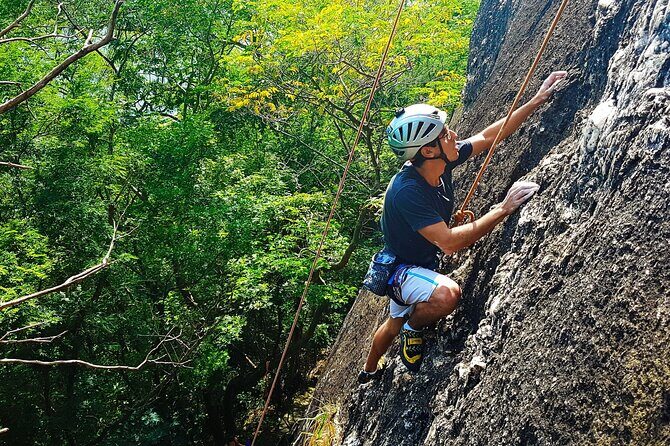
This class is a smart fit if you want:
- A first-time climbing introduction that emphasizes safety and technique
- Hands-on practice with multiple climbs in one session
- A guided experience in nature without needing previous experience
It also seems to work across a wide range of ages and starting points. One person over 60 described doing their first climb and feeling calm enough to climb Sugarloaf Mountain after the basics. Another experience included a 5-year-old climbing with the right guidance and encouragement.
If you’re already an experienced climber, you may find the session focused on fundamentals. But even then, it can be a solid refresher on knots and technique.
Should You Book Urca Climbing Class?
I’d book it if you want an intro that feels controlled, not chaotic. The combination of certified instruction, included gear, rope-based safety explanations, and repeat climbs gives you a real chance to leave with confidence—not just a cool story.
Skip it only if you’re the type who gets thrown by schedule changes. Because it’s weather-dependent, you need flexibility. Also plan for no snacks, and don’t arrive hungry and cranky.
If your goal is to try climbing in Rio without turning it into a research project, this class is built for that.
FAQ
Where does the Urca Climbing Class meet?
The meeting point is Praça Gen. Tibúrcio, 520 – Urca, Rio de Janeiro – RJ, 22290-270, Brazil. The activity ends back at the same meeting point.
How long is the climbing class?
It’s listed as about 3 hours.
What does the price include?
The price includes use of climbing equipment and the class is certificated by the Brazilian Association of Mountain Guides. The activity is also described as secure and private.
Do I need to bring climbing gear?
No. Climbing shoes, a chair, helmet, carabiners, brakes, and rope are included.
How high do you climb?
You climb a small stretch of rock between 20 and 30 meters.
Will I climb more than once?
Yes. You can climb at least 3 times during the class, not just once.
Is there a snack stop?
No. Snacks aren’t included.
Is this a private activity?
Yes. It’s a private tour/activity, so only your group participates.
What kind of group size should I expect?
Since it’s private, it’s limited to your group, and you’ll have instruction tailored to that.
What if the weather is bad?
The experience requires good weather. If it’s canceled due to poor weather, you’ll be offered a different date or a full refund.
What’s the cancellation timing?
You can cancel up to 24 hours in advance of the experience for a full refund.