
REVIEW · RIO DE JANEIRO
Santa Teresa – Bohemia and Art
Book on GetYourGuide →Operated by Tour by Foot · Bookable on GetYourGuide
Santa Teresa feels like Rio put on its old-school clothes. This tour pairs cobblestone streets with yellow-tram nostalgia, then tops it off with panoramic views and a look inside an abandoned-and-restored mansion from Brazil’s belle époque.
Two things I really like: you get a proper neighborhood walk (not just photo stops), and the snack is part of the experience, not an afterthought—expect top açaí and pão de queijo.
One thing to keep in mind: the classic yellow tram ride isn’t guaranteed if the line is too long (over 1 hour). The guide can switch gears with taxis to keep things on schedule, but it can change the feel for the day.
In This Review
- Key highlights to notice before you go
- Santa Teresa cobblestones, mansions, and yellow-tram energy
- Açaí and pão de queijo: the snack stop that actually earns its place
- How the tour delivers Empire-era storytelling (without turning into a lecture)
- Christ the Redeemer views: when the timing and the angle matter
- Parque das Ruinas and the Laurinda Santos Lobo house: why this stop hits
- Art murals and local creators: where bohemia shows up in plain sight
- Price and logistics: value is good, but read this part twice
- Who should book this tour (and who should choose something else)
- Should you book Santa Teresa – Bohemia and Art?
- FAQ
- Where does the tour start?
- How long is the tour?
- Is the yellow tram ride included?
- What snack is included?
- What languages is the guide available in?
- Is this tour only in good weather?
- Are high heels or large bags allowed?
- Is this tour suitable for people with mobility impairments?
Key highlights to notice before you go
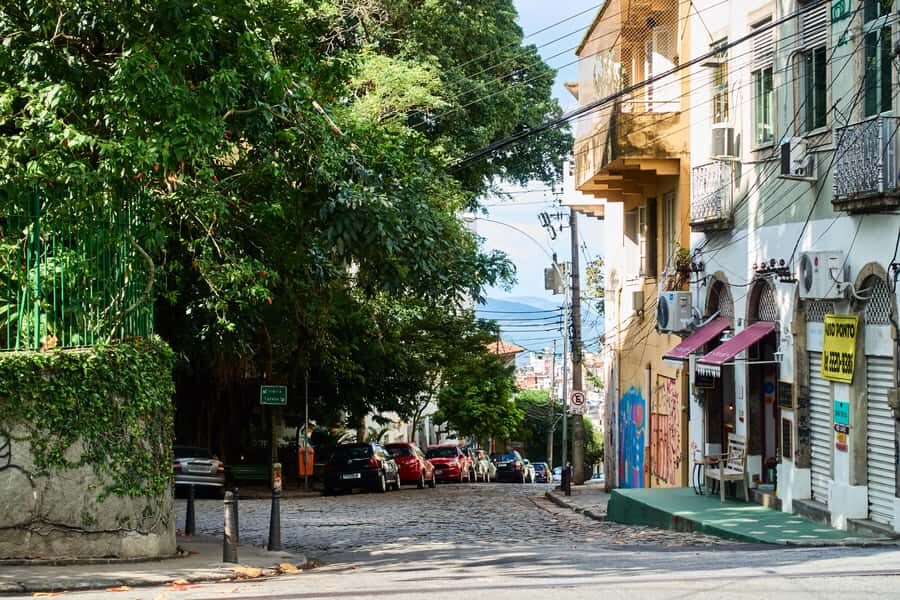
- Old Rio atmosphere on cobblestones, with mansions and the famous yellow trams
- Street art and local creativity as you pass murals and meet the bohemian side of Santa Teresa
- Big views, not just pretty streets, including privileged sightlines toward Christ the Redeemer
- Parque das Ruinas and a restored mansion that shows what life looked like during the Brazilian Empire
- Açaí and pão de queijo included, so you’re not hunting mid-walk
- Rain does not cancel it, so wear shoes you trust
Santa Teresa cobblestones, mansions, and yellow-tram energy

Santa Teresa is one of those places where the streets do half the job. The tour starts in front of the Estação de Bondes de Santa Teresa, and from there you’re guided into the neighborhood’s signature vibe: steep streets, architecture with personality, and the feeling that time moves a little slower.
You’ll travel for about 15 minutes as part of the experience, then shift into walking mode. That walking part matters. You get to pick up details you’d miss from a bus window—how the blocks curve, how the mansions sit on the hills, and how everyday life and art overlap on the walls.
And yes, the yellow trams are a big part of the story. Even if you only catch glimpses during the ride or stops, they signal what Santa Teresa is about: a local mode of transport that’s also part museum, part street theater.
For me, the biggest win here is that you’re not treating Santa Teresa like a theme park. You’re moving through a real neighborhood, learning what makes it special through on-the-ground commentary and frequent visual cues.
You can also read our reviews of more tours and experiences in Rio De Janeiro.



Açaí and pão de queijo: the snack stop that actually earns its place
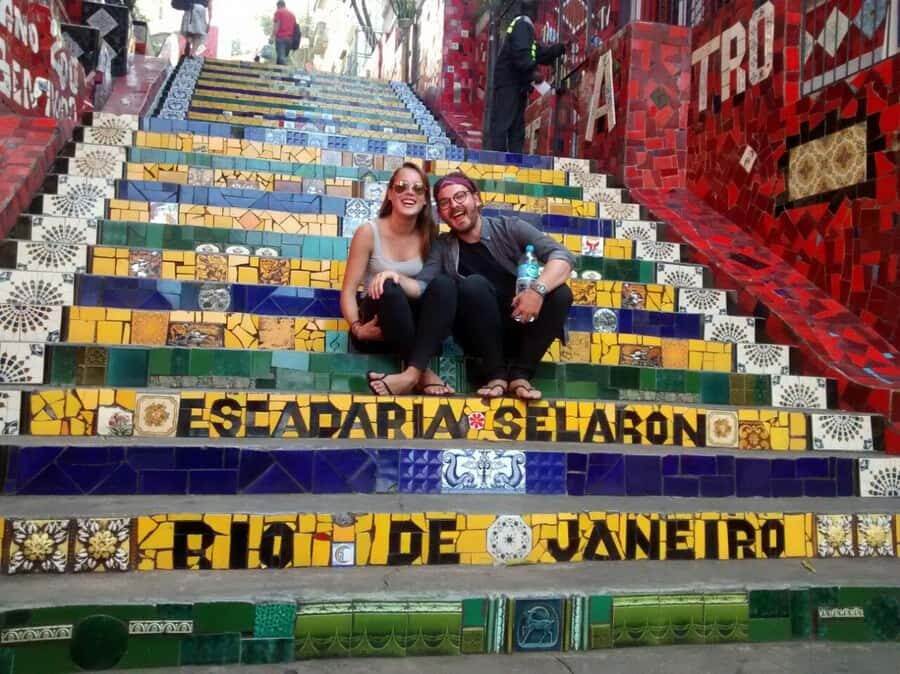
Some tours throw in food like a consolation prize. This one builds it into the rhythm. You’ll stop for a snack that includes açaí and pão de queijo—classic Brazilian comfort food, and especially perfect during a hillside walk when you’ll be ready for a break.
This is the kind of included stop that changes how you experience the day. Instead of thinking about where to eat, you get a moment to recharge and reset your pace. You also get to try something local that fits the setting. Santa Teresa is artsy and architectural, but it’s still Brazil day-to-day—and açaí plus pão de queijo feels like that blend in edible form.
Practical tip: wear comfortable shoes (you’ll see that on the official guidance for a reason). The snack is great, but your legs still need to do their job.
How the tour delivers Empire-era storytelling (without turning into a lecture)
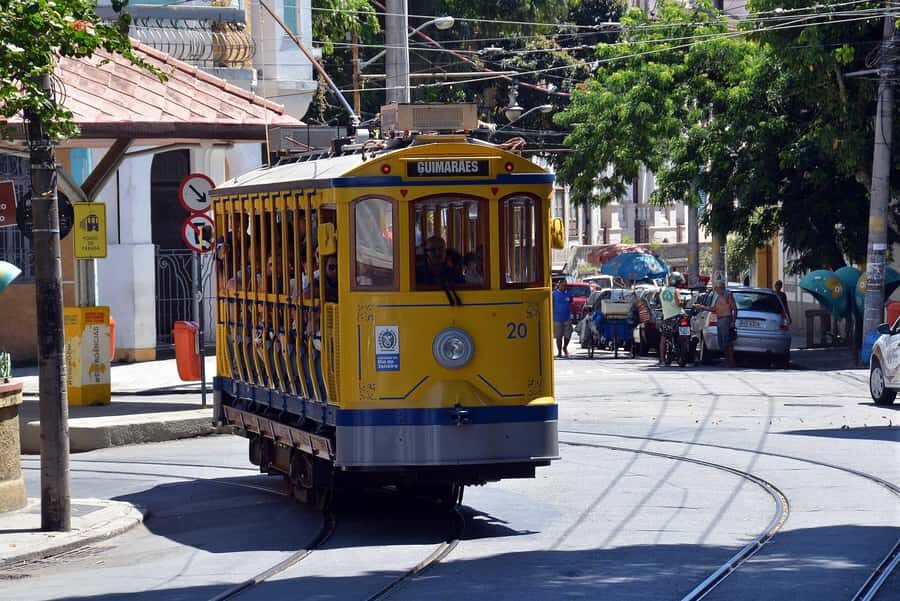
What I like about the way this tour is structured is that it connects visuals to time periods. You start on cobblestones while your guide chats about the history of the area. Then the route leads you past colonial houses and palaces, toward the viewpoint areas where Santa Teresa’s hillside geography really takes over.
The tour is built around a specific idea: Santa Teresa isn’t just pretty. It’s a living reminder of Brazil’s belle époque and the Brazilian Empire era. You’re shown what that splendor looked like, but in a way that stays grounded in places you can actually stand in.
If you’re the type who likes little facts that help you interpret what you see, this should land well. Strong guides can make architecture feel like a story, not a postcard. One guide named Rafael was praised for being well prepared and sharing lots of interesting anecdotes, and another guide named Fernanda was highlighted for knowing details and being attentive. That kind of guidance is exactly what turns a walk into understanding.
Christ the Redeemer views: when the timing and the angle matter

Santa Teresa’s location means you get hillside sightlines, and the tour leans into that. During the walk, you’ll enjoy privileged views toward Christ the Redeemer. This isn’t just “stand somewhere and look.” The route is set up so you’re seeing Rio in layers—street level first, then the city unfolding behind it.
Those viewpoints are where the tour earns its wow factor. The architecture is gorgeous, sure. But the views are the part that makes the whole neighborhood feel bigger than it is.
One advice that saves your photos: don’t rush the viewpoint stops. Take a moment to look, then take photos. If you do it the other way around, you’ll miss the way the horizon line and the hills create perspective.
Parque das Ruinas and the Laurinda Santos Lobo house: why this stop hits
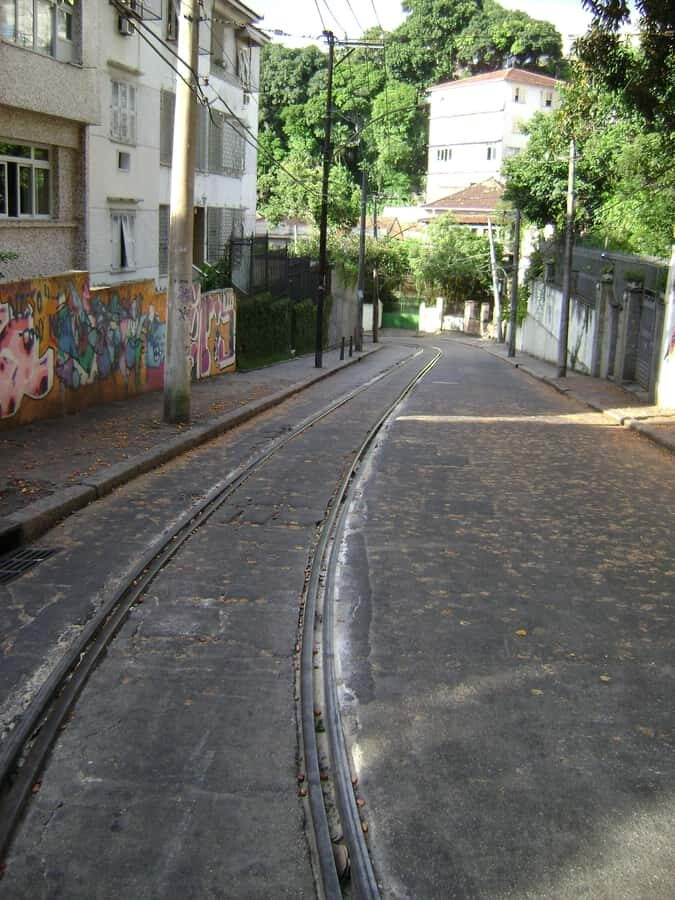
The tour’s main “how did they build this?” moment comes at Parque das Ruinas. This is the kind of place where you can feel the shift from street walking to viewpoint-land.
Here you can enter the house of Laurinda Santos Lobo, a mansion that was abandoned for more than 50 years. It’s been rehabilitated, and that alone matters for how you experience it. You’re not only seeing pretty walls; you’re stepping into what once represented the splendor of Brazil’s belle époque and then seeing it framed in restored form.
What you’ll get from this stop is perspective. The mansion helps you visualize what life during the Brazilian Empire era might have felt like—space, layout, and the relationship between the building and the view out over Rio.
And the panoramic angle from this area is a big payoff. It’s one of those moments where you understand why people built on hills in the first place.
Possible drawback: if you’re hoping for purely outdoor street art and constant motion, this part can feel slower than the walking segments. But that’s also why it’s memorable—this is the place where the day’s theme becomes concrete.






Art murals and local creators: where bohemia shows up in plain sight
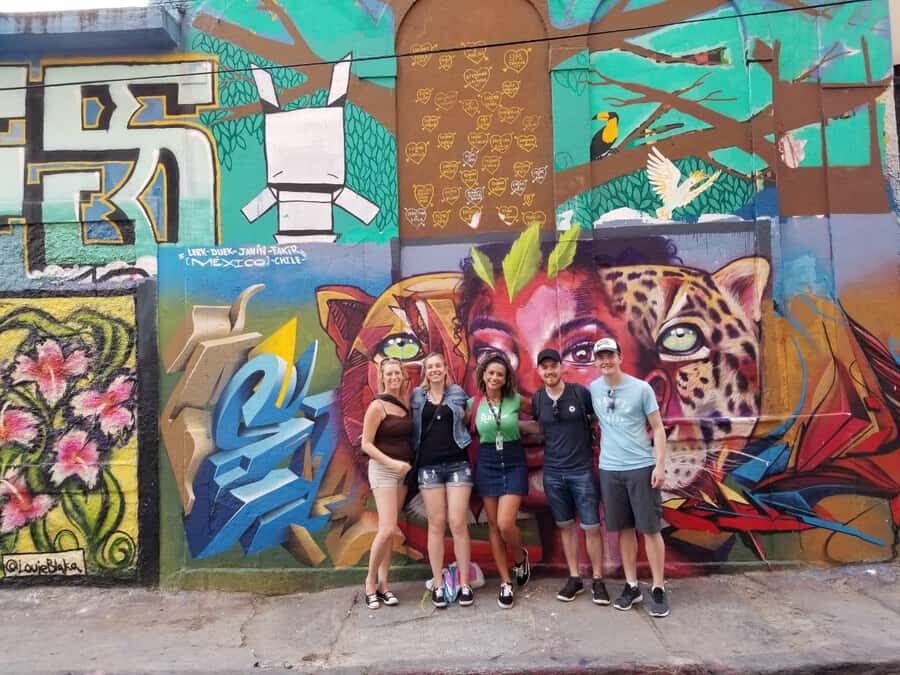
Santa Teresa’s reputation for bohemian energy isn’t just marketing. As you walk, you’ll pass urban art murals and see what local artists are creating on building exteriors and walls.
This matters because you’re not only hearing about art. You’re seeing it integrated into daily street life. It’s the difference between a museum outing and a neighborhood where creativity is part of the scenery.
The tour also aims to show you more of what Santa Teresa offers beyond the most obvious tourist angles. You’re moving through streets that feel more intimate, and the stop at Parque das Ruinas helps connect art, architecture, and the hillside viewpoint experience.
If you’re the kind of traveler who notices texture—paint, brick, old plaster, and how the city layers over time—this portion will feel natural.
Price and logistics: value is good, but read this part twice
The tour is priced at $60 per person and lasts about 3 hours. For that price, you’re not just paying for a guide and a walk. You’re also getting tram tickets and an included snack of açaí and pão de queijo.
Is it “worth it”? In my view, it makes sense if you want:
- a guided explanation of Santa Teresa’s character
- a strong visual route with viewpoints
- a meaningful indoor stop at Parque das Ruinas
- the included food break
But here’s the reality check: the itinerary includes a tram element, and the guide won’t ride if the line is too long (waiting line over 1 hour). If that happens, the tour uses taxis to get to Santa Teresa so the overall timing stays about the same.
That contingency is important. It’s still a good tour, but if the tram ride is your main reason for booking, you should plan for the possibility that you’ll experience Santa Teresa without that specific tram moment on your day.
Also note the practical constraints:
- It’s a walking tour.
- Comfortable shoes are essential.
- High heels aren’t allowed.
- Luggage or large bags aren’t allowed.
- No hotel pickup/drop-off, so you’ll meet at the Estação de Bondes de Santa Teresa on your own.
- It’s not suitable for people with mobility impairments.
Who should book this tour (and who should choose something else)

This is a great fit if you want a neighborhood-focused Santa Teresa experience with:
- architecture you can actually walk around
- street art you see on the way, not after
- viewpoint time toward Christ the Redeemer
- a restored mansion stop tied to Empire-era storytelling
- a reliable snack break included
It may not be the best choice if:
- you have limited mobility (it isn’t suitable for that)
- you need to travel with large bags or bulky luggage
- you’re not comfortable walking on cobblestones and steep streets
- you dislike any chance of route changes due to tram lines
If you’re traveling with kids, this could work only if they handle hills and steady walking. Otherwise, plan for lots of breaks.
And if you’re coming in on limited time, 3 hours is a nice window. Long enough to feel like you moved through the neighborhood, short enough not to swallow your whole day.
Should you book Santa Teresa – Bohemia and Art?

I’d book it if you want a guided mix of street-level Santa Teresa plus a serious “stand in the right place” viewpoint and an Empire-era mansion stop. The included tram tickets and the açaí and pão de queijo snack make it feel complete, not skimpy.
I’d hesitate only if you’re extremely tram-ride dependent (because the tram ride may be skipped if the line is over 1 hour) or if you know you can’t handle cobblestones and sustained walking.
Bottom line: if you like neighborhoods where art, architecture, and views all show up on the same street, this tour is a very solid way to spend your time in Rio.
FAQ
Where does the tour start?
The tour meets in front of Estação de Bondes de Santa Teresa.
How long is the tour?
The duration is 3 hours.
Is the yellow tram ride included?
Yes, tram tickets are included, but the group will not ride if the waiting line is over 1 hour. If that happens, taxis are used to reach Santa Teresa without affecting the tour time.
What snack is included?
A snack stop is included with açaí and pão de queijo.
What languages is the guide available in?
The live tour guide is available in English, Portuguese, and Spanish.
Is this tour only in good weather?
No. The tour also takes place if it is raining.
Are high heels or large bags allowed?
High-heeled shoes are not allowed, and luggage or large bags are not allowed.
Is this tour suitable for people with mobility impairments?
No. It is not suitable for people with mobility impairments.