REVIEW · RIO DE JANEIRO
Tijuca Rain Forest – Adventure through Waterfalls & Caves
Book on GetYourGuide →Operated by Samuca Adventure · Bookable on GetYourGuide
Tijuca Forest hits fast. One minute you’re riding out of Rio, the next you’re walking under a huge reforested canopy with Taunay waterfall and cave time ahead. What I like most is how the route mixes big scenery with real context, so Samuel (and other guides on the same team) can point out what you’re seeing, not just where to stand.
I also like the practical touches: you get photos and videos during the tour (on the guide’s phone or yours) and courtesy basics like water, bug repellent, and sunscreen. It makes the outing feel smoother from the first pickup to the final waterfall photos.
One thing to consider: this is not an easy stroll. The tour is not suitable for people with back problems, mobility impairments, wheelchair users, recent surgeries, or motion sickness, and the cave part means uneven ground and a higher effort level.
In This Review
- Key highlights at a glance
- Tijuca Forest: Why waterfalls plus caves make a great Rio day
- Pickup and lookout stops: the easy start from Leblon to Ipanema
- Taunay waterfall: where your photos actually happen
- The antique building stop: history you can walk through
- Main caves: the adventure highlight (and the real effort level)
- Baronesa waterfall: cool off and finish strong
- Price and value: what $60 includes (and what it doesn’t)
- Packing like a local: what you’ll actually want in your daypack
- Who this tour suits best (and who should skip it)
- Should you book this Tijuca Rain Forest adventure?
- FAQ
- How long is the Tijuca Forest adventure?
- Is hotel pickup included, and which areas are covered?
- What languages are tour guides available in?
- What are the main stops during the tour?
- Does the tour include photos or videos?
- Is food included in the price?
- What should I bring for this tour?
- Is the tour suitable for wheelchair users?
Key highlights at a glance
- Hotel pickup in prime Rio neighborhoods: Leblon, Botafogo, Barra da Tijuca, São Conrado, Copacabana, and Ipanema.
- Taunay waterfall (35 m / 114 ft): the city’s biggest waterfall stop, with photo/video time.
- Lookouts on the way in: quick stops like Canoas Road and Chinesa for big views before the forest gets you.
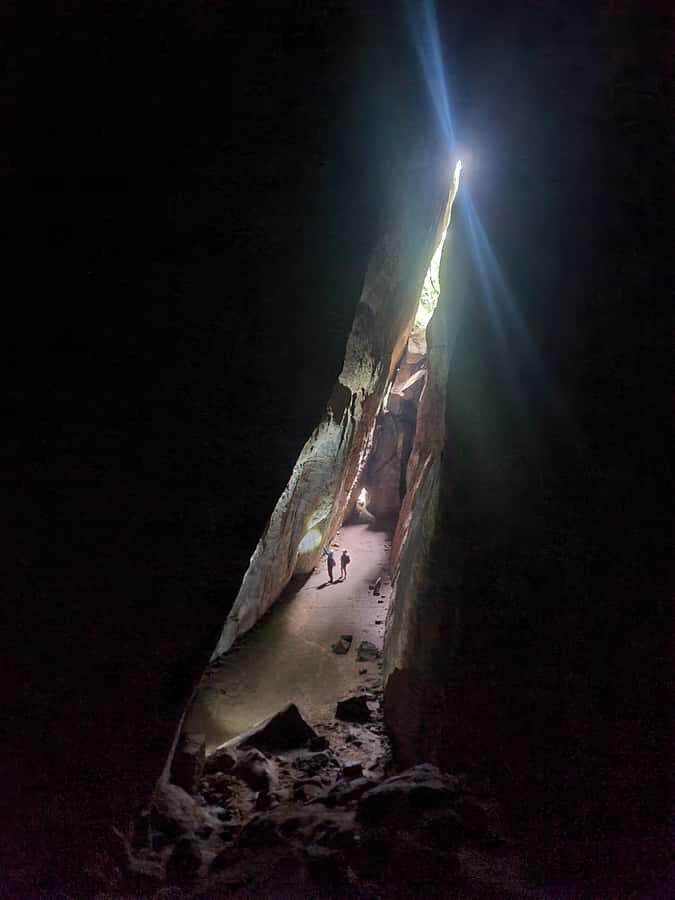
- Cave exploration as the main event: a highlight that can be adapted for elderly and/or kids.
- Baronesa waterfall finish: a refreshing shower moment and great final-picture opportunities.
- Small groups or private options: for a more personal pace through the park.
Tijuca Forest: Why waterfalls plus caves make a great Rio day
Tijuca Forest is one of those Rio experiences that sounds simple until you’re in it. You’re in the biggest reforested urban jungle in the world, and the switch from city noise to forest air happens quickly. This tour is built around that feeling. You’re not just doing one viewpoint. You’re collecting scenes: lookouts, a major waterfall, a historic-feeling stop, then the caves, and finally another waterfall shower.
What makes this route especially appealing is that it’s active but flexible. The adventure can work for beginners and more experienced hikers because the pace and cave route can be adjusted (as long as you’re within the physical limits the operator lists). You still get the “we did something” feeling without needing advanced gear.
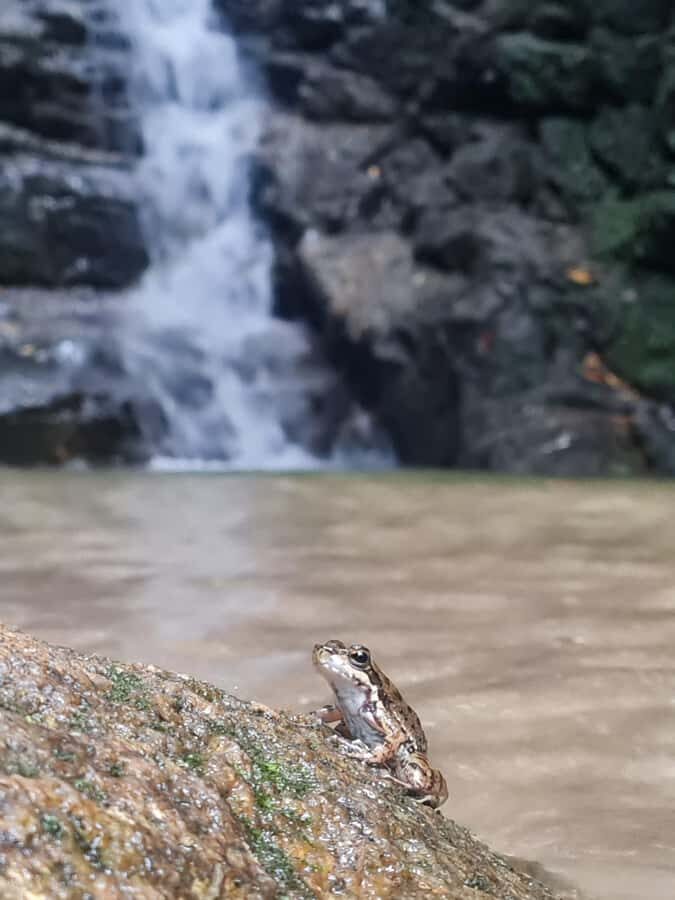
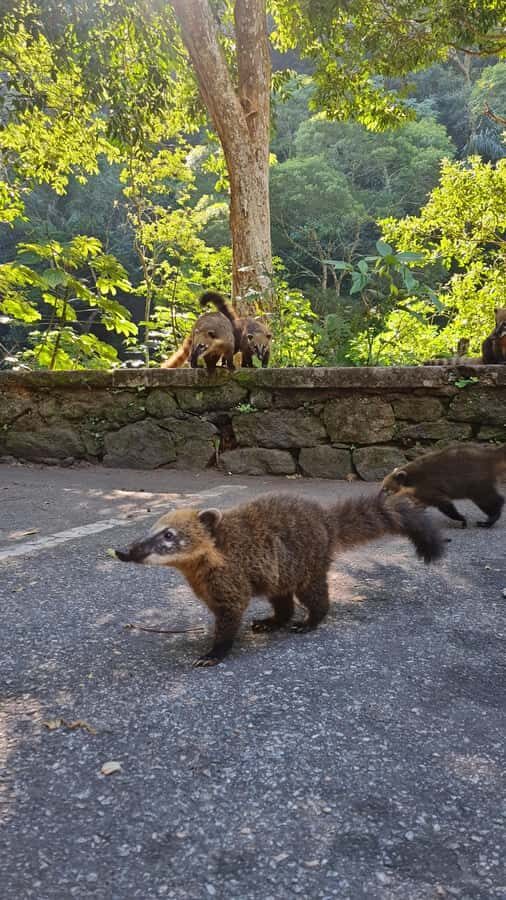
And if you like wildlife, this is also the kind of walk where you might spot animals—toucans, monkeys, and coatis show up in the kinds of memories people report from this area. You won’t control when animals appear, but the guides pay attention, and that changes the whole experience. You start seeing the forest instead of just looking at it.
You can also read our reviews of more tours and experiences in Rio De Janeiro.

Pickup and lookout stops: the easy start from Leblon to Ipanema
The day begins early. You get hotel pickup from several Rio neighborhoods: Copacabana, Ipanema, Leblon, Botafogo, Barra da Tijuca, and São Conrado. The tour plan expects you to wait at the lobby about 10 minutes before your scheduled pickup time.
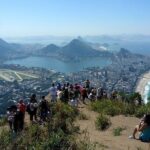
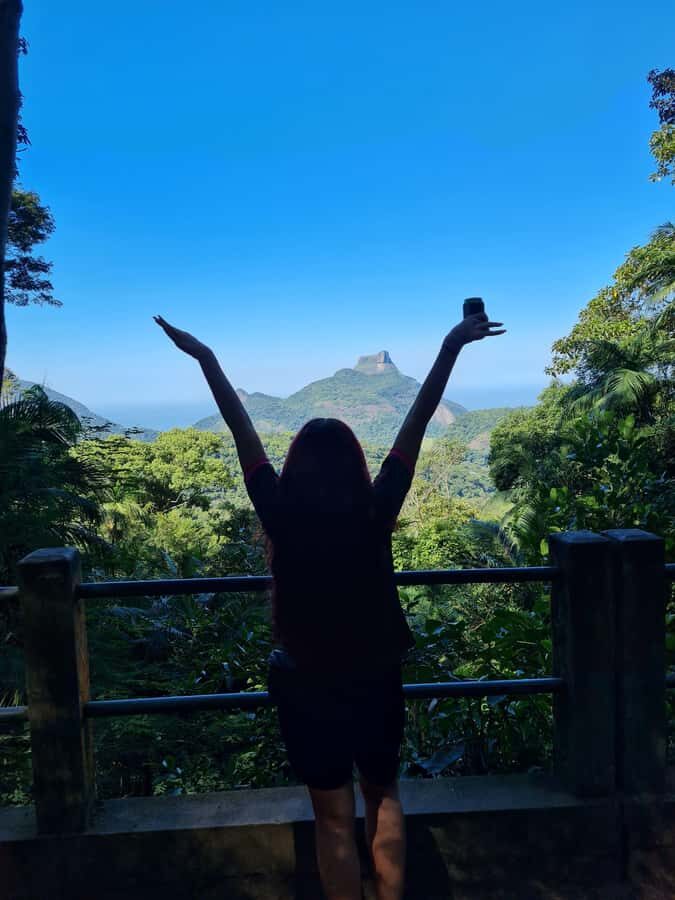
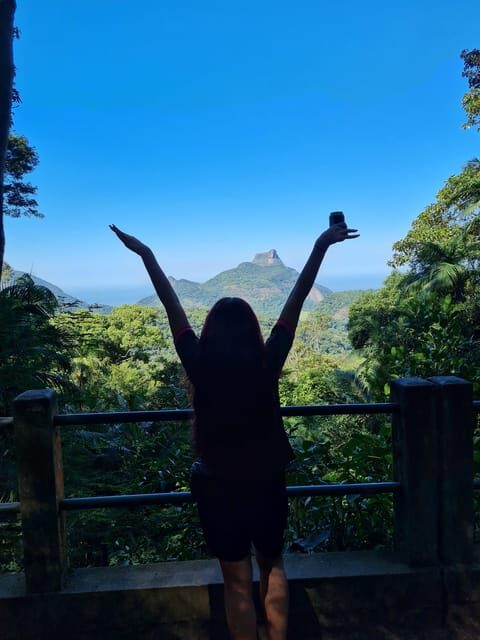
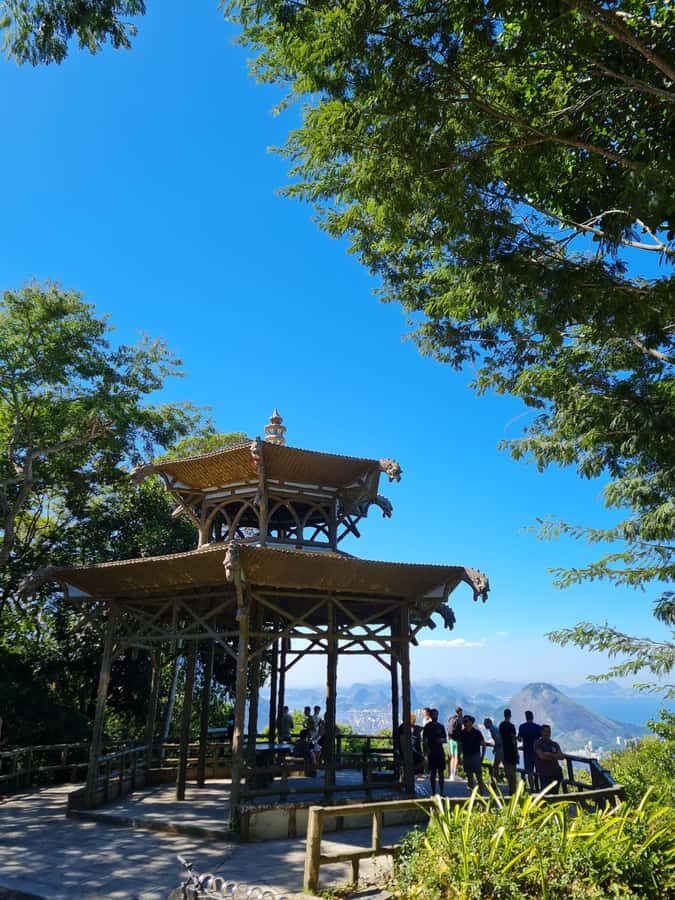
On the way into the national park, you make quick stops—specifically around Canoas Road and the Chinesa lookouts. These are great for two reasons. First, they give you that first wave of “oh, this is going to be worth it” views. Second, they help you get your bearings before you start walking deeper into the forest.
If you’re trying to plan your Rio time, this helps too: the tour is listed as doable at any time of day (morning or afternoon) and in any weather. In practice, that means you can slot it into a flexible travel schedule without feeling like you’ll miss your chance because of rain.
Taunay waterfall: where your photos actually happen
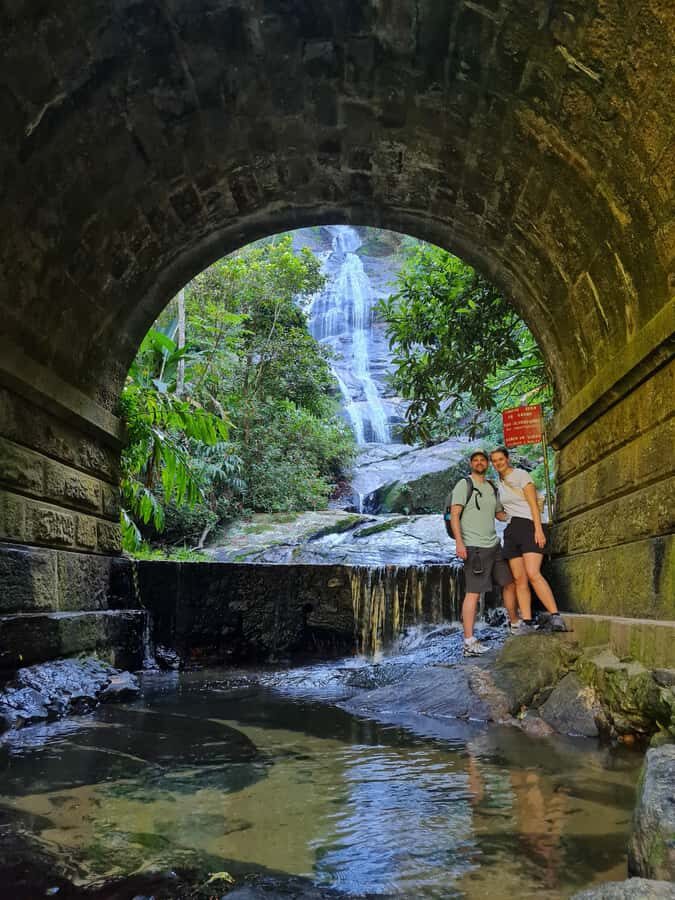
The first big inside-the-park payoff is Taunay waterfall, the city’s biggest waterfall stop. You’ll see it at about 35 meters (114 feet). That’s a serious height—enough that it’s not just pretty. It’s loud, powerful, and immediately changes the mood of the trail.
You’ll also get storytelling here. You’re shown historical background about the place, which helps the waterfall feel connected to the forest’s larger meaning instead of being just another stop on a list. Expect photo and/or video opportunities at the falls, and the guides tend to focus on the angles that look good without you wasting time walking back and forth.
A practical note: waterfalls tend to mean slippery spots nearby. Keep your shoes ready for uneven ground and damp surfaces. Comfortable trail shoes beat sandals every time in a place like this.
The antique building stop: history you can walk through
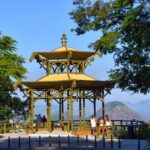
After Taunay, the tour includes a stop at an antique building and talks about its historical importance to the park. This part matters more than it sounds. Tijuca Forest isn’t just scenery; it’s a reforestation story tied to Rio’s past decisions. When someone explains the why behind the park, you start noticing details in the trees and the way the area is managed.
From a visitor perspective, this is also a smart break point. You’ve already had one intense scene (the waterfall). Now you shift into slower, more explanatory time—without losing the momentum of the day.
If you like photos, this stop can also work as a “pause and reset” moment. Take a breath, refuel your energy, and let the guide’s explanation set the context for what comes next.
Main caves: the adventure highlight (and the real effort level)
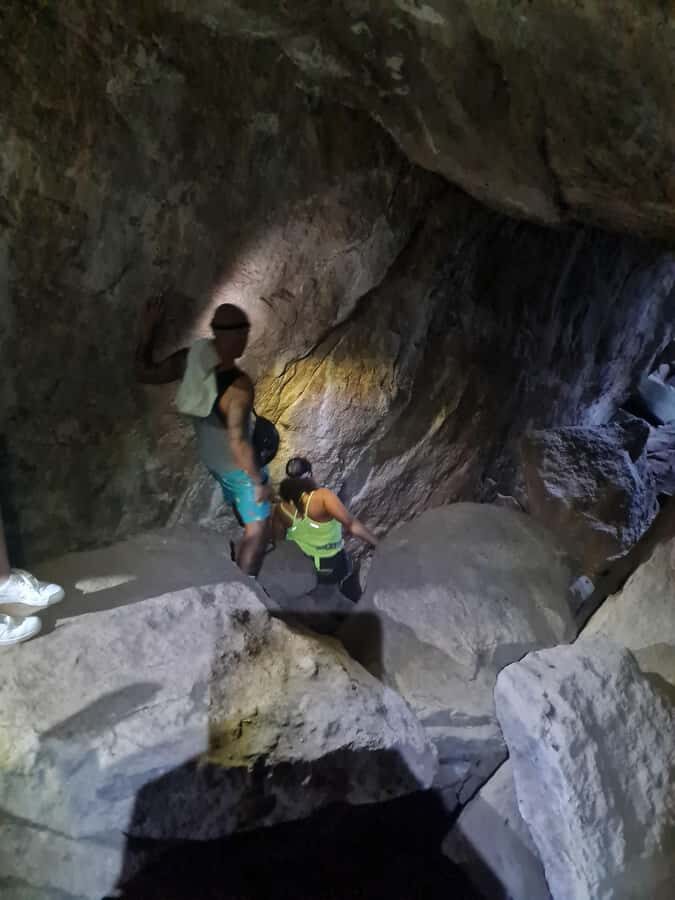
The centerpiece is the hike into the main caves. This is the part that makes the tour feel different from the usual “waterfall then lookout” pattern. You go through and into caves, with the route designed as the highlight of the adventure.
Two important things to know before you sign up:
- The operator states it can be adapted to elderly and/or kids, meaning the cave experience isn’t automatically all-or-nothing.
- It is still not suitable for people with back problems, mobility impairments, wheelchair users, or recent surgeries.
So if you’re someone who needs steady footing and low strain, you should think twice. Uneven surfaces, climbing or stepping through cave sections, and time spent moving in cooler, darker areas can be challenging. The tour also isn’t suggested for motion sickness, which makes sense if you’re prone to nausea during travel and on uneven terrain.
Now the good part: the cave segment is where a guided route earns its keep. The best guides aren’t just moving you from point A to point B. They point out what to watch for, help you take photos in the right spots, and manage the flow so the group stays safe and comfortable.
One useful tip I’d give you: if you spot signs during the route, ask the guide to translate. People specifically mention that guides take time to translate what you see so you understand more than the visuals.



Baronesa waterfall: cool off and finish strong
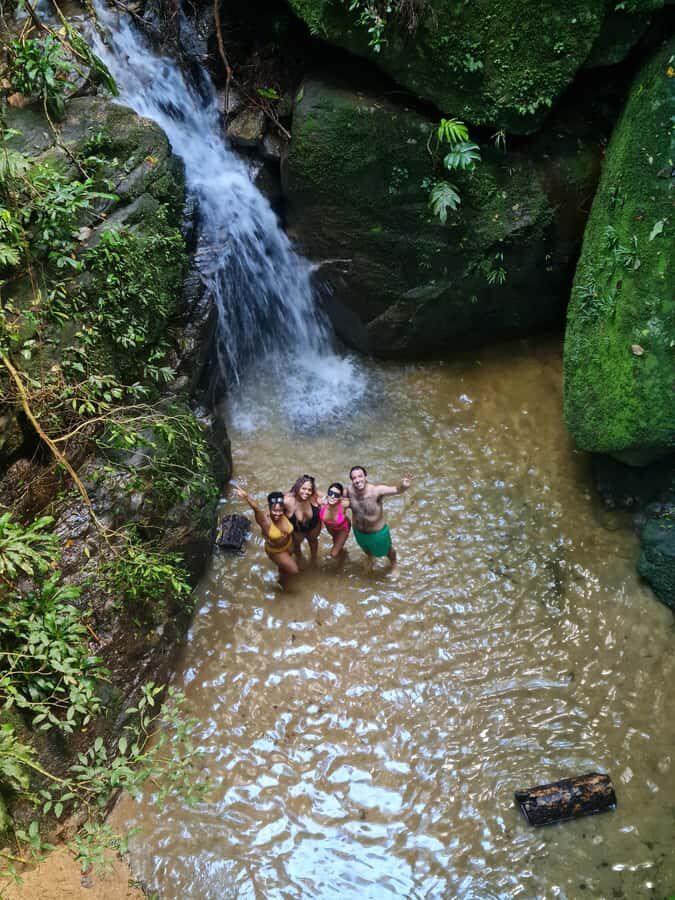
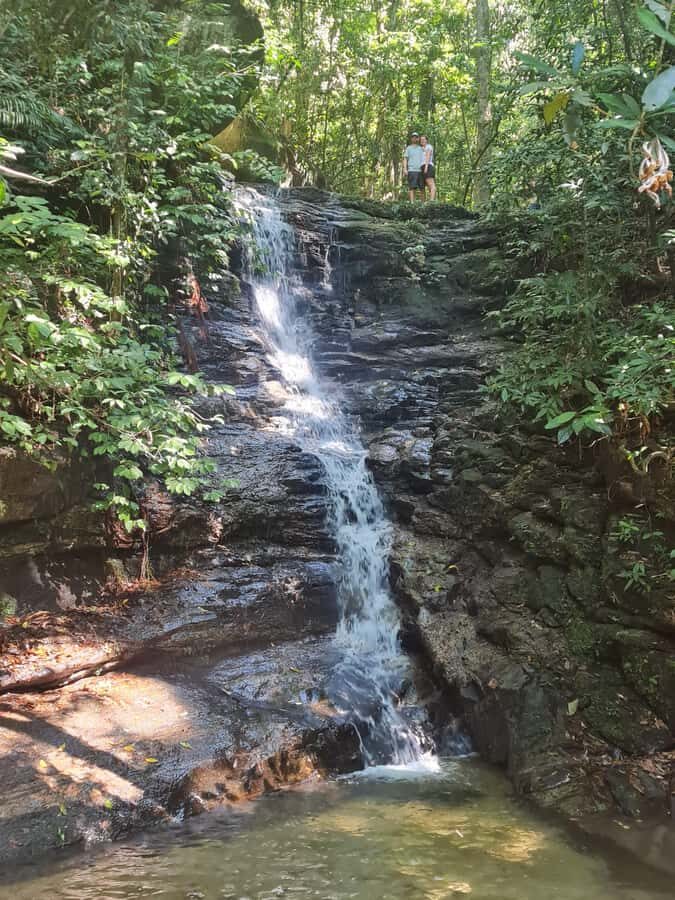
To close the tour, you head to Baronesa waterfall. This is the refreshing moment: you can get a shower under the falls or simply enjoy the scenery and photos.
This final stop is a nice contrast to the cave segment. Caves are enclosed and physical. Waterfall time gives you open air again—plus the chance to cool down after the hike. It also helps you end the day on something memorable and easy to photograph.
If you want the full effect, come prepared for water. The packing list explicitly calls for swimwear and a change of clothes, plus a towel. Even if you don’t plan to get wet, having the option is worth it.
Price and value: what $60 includes (and what it doesn’t)
The price is $60 per person for about 5 hours (starting times vary). For that cost, you get:
- round-trip transportation
- a multilingual tour guide
- pictures and videos
- extra water
Food and drinks are not included, so you’ll need to bring snacks if you get hungry on a hike. The operator even suggests you bring food and snacks, plus water. Since you’re walking, carrying small energy snacks is the easiest way to avoid the “we stopped, but now I’m starving” problem.
What makes this good value is how the inclusions reduce your hassle. You’re paying for the guide, the transport logistics, and the extras (photo/video capture, water, and courtesy sunscreen and bug repellent). If you tried to do this solo, you’d still need a way to get from your hotel, figure out routing, and manage the timing around waterfalls and cave access.
So the real decision is whether you want a guided plan and a camera-focused experience. If yes, this price is in the right neighborhood for what you’re getting. If you already know the area well and prefer full independence, you might weigh that.
Packing like a local: what you’ll actually want in your daypack
This is a bring-what-you-need tour. The list is very practical, and I’d follow it closely. Here’s what matters most:
- Comfortable shoes: expect uneven, damp, slippery-ish spots.
- Swimwear + change of clothes + towel: Baronesa waterfall can turn your day into a water moment.
- Insect repellent (biodegradable if possible): the forest setting calls for it.
- Sunscreen (biodegradable is requested): even under trees, sun finds you at lookouts and breaks.
- Snacks/food + water: food isn’t included.
- Personal medication + ID: a passport or ID card copy accepted.
A small sanity tip: keep your towel and change of clothes in an easy-to-reach spot. If you wait until the last minute, you’ll end up doing the “rummage in the bag while everyone else moves” dance.
Who this tour suits best (and who should skip it)
This works well for:
- people who want a nature hike with built-in highlights (waterfalls and caves)
- travelers who like photo-friendly stops and don’t want to hunt for the best angles alone
- visitors in Rio who want hotel pickup and a guide in English, Portuguese, and Spanish
It’s a poor match for:
- wheelchair users
- people with mobility impairments or back problems
- anyone with recent surgeries
- travelers who get motion sickness easily
If you’re in the “just starting out” category for hiking, the cave portion being adaptable can help you find a safe middle ground. Still, be honest with yourself about what you can handle on uneven ground.
Should you book this Tijuca Rain Forest adventure?
Book it if you want one guided day that delivers multiple “Rio wow” moments: big waterfall at Taunay, cave exploration as the main event, and a refreshing finish at Baronesa. The small-group or private options also make it easier to move at a comfortable pace and spend time on the best photo spots.
Skip it if you’re concerned about cave terrain or you’re in any category the operator lists as unsuitable (mobility/back issues, wheelchair use, recent surgeries, motion sickness). In those cases, you’ll have a much better time choosing a less physical route.
If you do book, do yourself a favor: wear proper shoes, pack a real change of clothes, and use the guide’s strengths. Ask questions, request translation when you want it, and let them help you capture the views. This is the kind of day where being prepared turns a good tour into a memorable one.
FAQ
How long is the Tijuca Forest adventure?
The tour lasts about 5 hours.
Is hotel pickup included, and which areas are covered?
Yes. Pickup is included from hotels in Copacabana, Ipanema, Leblon, Botafogo, Barra da Tijuca, and São Conrado.
What languages are tour guides available in?
Guides are available in English, Portuguese, and Spanish.
What are the main stops during the tour?
The tour includes Tijuca National Park visits such as Taunay waterfall, an antique building with historical importance, a hike through the main caves, and a final stop at Baronesa waterfall. There are also quick lookout stops on the way in.
Does the tour include photos or videos?
Yes. The tour includes pictures and videos, provided either on the guide’s phone or on your own.
Is food included in the price?
No. Food and drinks are not included, so you should bring snacks if you need them.
What should I bring for this tour?
Bring comfortable shoes, swimwear, a change of clothes, a towel, sunscreen, insect repellent, water, snacks/food, personal medication, and a passport or ID card (a copy is accepted).
Is the tour suitable for wheelchair users?
No. It is listed as not suitable for wheelchair users and people with mobility impairments.