REVIEW · RIO DE JANEIRO
Tijuca Forest Trail – specialized guide and photos
Book on Viator →Operated by Guilherme Pessanha dos Santos · Bookable on Viator
A 60-meter waterfall kicks things off. This guided Tijuca Forest trail in Rio starts with one big drop in the forest and ends with a chance to cool off under a smaller one. I like how the route builds from misty waterfalls to a forest viewpoint, so you’re not just walking in the trees. You’ll also get a specialized guide and photos to help capture the day.
What I really love is the feel of the hike: a lot of it stays shady, which makes the jungle air easier to handle. In a small group (up to 15), you’re more likely to spot wildlife along the way, too—monkeys, lizards, frogs, and even tarantulas show up for some groups.
One thing to consider: this isn’t a flat stroll. Even when it’s described as easy, the trail has an incline that can feel steep, and it’s not a loop—you turn around after you reach the end. If stairs and steep grades slow you down, plan carefully.
In This Review
- Key things to know before you go
- Why this Tijuca Forest hike feels worth 4 hours
- Meeting at Praça Afonso Vizeu (Alto da Boa Vista) and how to time your day
- Stop 1: Parque Nacional da Tijuca and the 60-meter waterfall first
- The trail itself: shade, wildlife chances, and that incline reality
- Visitor center stop: a useful mental reset in the middle of the jungle
- Cascatinha viewpoint: where the forest view makes the climb worth it
- End with a waterfall bath: the fun payoff (and the gear reality)
- The guide, photos, and a small-group pace that helps you enjoy the details
- Price and value: what $68.61 buys you in Rio
- Who should book this trail—and who should skip it
- A practical packing checklist (so the bath doesn’t ruin your day)
- Quick FAQ about this Tijuca Forest Trail
- FAQ
- How long is the Tijuca Forest Trail tour?
- Where does the tour start and end?
- What language is the tour offered in?
- What fitness level do I need?
- How many people are in the group?
- Is the trail a loop?
- What happens if the weather is bad?
- Should you book this Tijuca Forest Trail?
Key things to know before you go
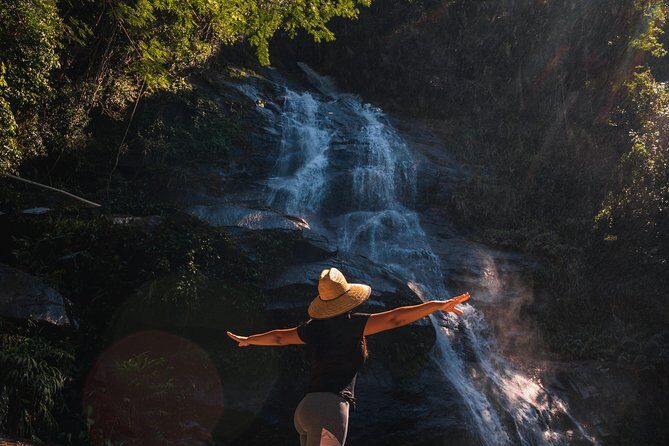
- 60-meter waterfall start: the day opens with the biggest waterfall in the forest area you’ll cover.
- Shady trail time: much of the route is under canopy, which helps when Rio is hot.
- Cascatinha viewpoint payoff: you’ll reach a spot with a big forest view before the wet finale.
- Waterfall bath at the end: you finish with a small waterfall you can go under.
- Turnaround hike: it’s not a loop, so be ready to retrace your steps.
- Small group + English: max 15 travelers, offered in English, with a specialized guide.
Why this Tijuca Forest hike feels worth 4 hours
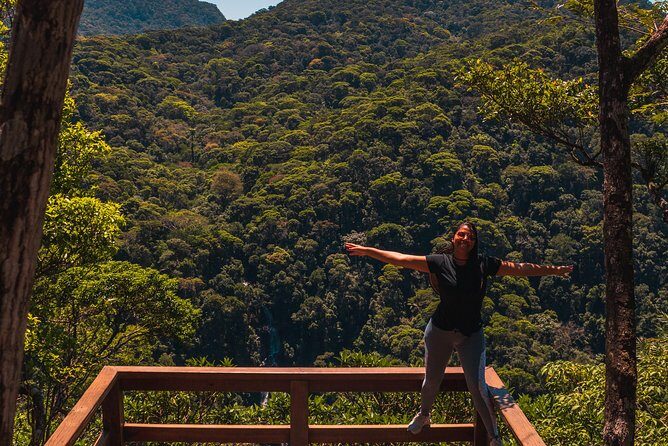
Tijuca National Park is the kind of place where Rio stops being a city and starts being a jungle. This particular trail is designed to give you that “forest immersion” feeling without turning the day into a marathon. You get a focused route with clear beats: waterfall, visitor area, viewpoint, then the waterfall bath finale.
The flow matters. Starting with a 60-meter waterfall sets a strong tone right away, and it’s a smart choice because your energy is highest at the beginning. Ending with water under a waterfall adds a payoff that doesn’t require you to climb for hours for a view.
I also like that the tour runs in a compact window—about 4 hours—so you can fit it between beach time and dinner. And because it’s capped at 15 people, you’re less likely to feel like you’re stuck behind a long line of hikers.
You can also read our reviews of more guided tours in Rio de Janeiro



Meeting at Praça Afonso Vizeu (Alto da Boa Vista) and how to time your day
Your meeting point is Praça Afonso Vizeu – Alto da Boa Vista, Rio de Janeiro (RJ, 20531-590, Brazil). The tour ends back at the same place, so you’re not stuck figuring out transportation at the end of a sweaty hike.
The opening hours shown are Monday–Friday from 8:00 AM to 2:00 PM. That time window is useful because it tells you you’ll be doing this in daylight, when trails are easier to follow and you can actually enjoy the viewpoint portion.
Also note the practical tone here: it’s near public transportation, so you’re not forced into a private transfer. Still, give yourself a little buffer to arrive early—hikes like this start on time, and you want your head clear before you hit the first incline.
Stop 1: Parque Nacional da Tijuca and the 60-meter waterfall first
The tour begins on a trail inside Parque Nacional da Tijuca, and the first big attraction is the largest waterfall in the forest area you’ll cover, dropping 60 meters. Starting with the loud, moving water gives you something to watch immediately, and it helps you settle into the day without guessing what to look for.
This early waterfall moment is also about comfort. Water cools the air and creates a misty microclimate that can make the hike feel less brutal. It’s not “walk until you understand the park,” it’s “understand the park fast.”
One small planning detail: if you’re thinking about photos, the waterfall area is often where you’ll want to slow down. Take a few minutes when you’re close to it, because later you’ll be moving again and the viewpoints will demand attention too.
The trail itself: shade, wildlife chances, and that incline reality
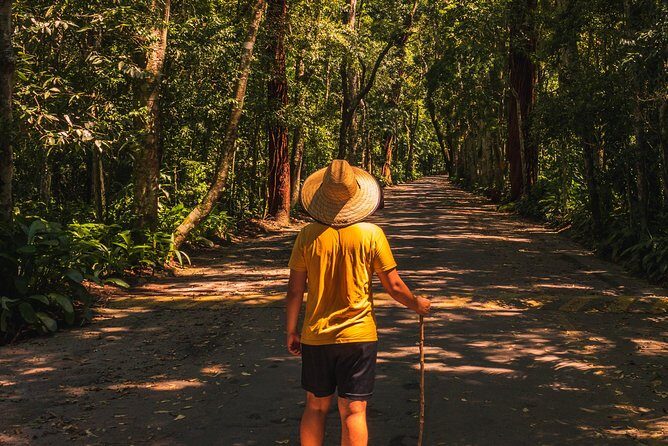
Most of this trail is shady, which is a big deal in Rio. Shade means you conserve energy and keep your focus on footing, not on overheating. It also tends to make the forest feel cooler and more alive.
From the wildlife side, this is the kind of hike where you’re not just “looking at trees.” People have spotted monkeys, lizards, frogs, and brightly colored insects, along with a turtle and even tarantulas. You might not see everything on your day, but the fact that animals turn up here tells you the route passes through the kinds of habitats wildlife likes.
The drawback is the grade. This hike is often described as easy, but you should treat it like a moderate walk with sections that can feel steep. One reviewer pointed out the incline can be frequently steep, and that it isn’t a good match if stairs and steep steps are an issue.
So here’s my practical take: wear shoes with solid grip, and pace yourself early. If you try to “power-walk” the steep bits, you’ll burn out before the viewpoint. If you go steady, you’ll arrive in better shape to enjoy the Cascatinha section.
Visitor center stop: a useful mental reset in the middle of the jungle
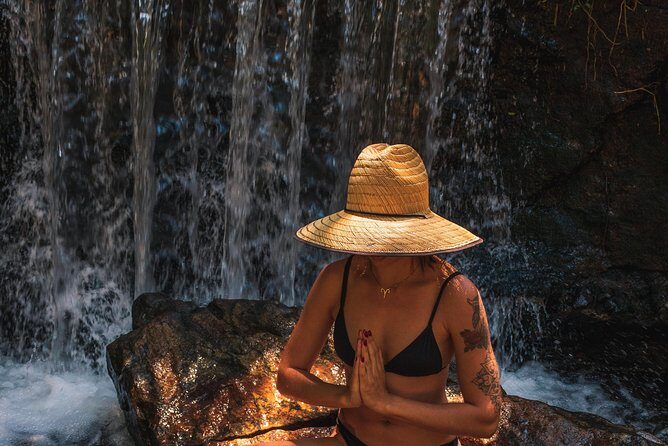
After the first waterfall, the route passes by a visitor center. You don’t need to overthink this part. A visitor center in a national park usually gives you a chance to orient yourself—what you’ve already seen, what’s still ahead, and how the trail connects.
Even if you don’t spend long here, it breaks up the hike. That matters because the day isn’t just walking between attractions; it’s walking while you’re watching for animals, adjusting to humidity, and keeping your footing.
If you’re the type who likes to understand what you’re seeing, this is where you can catch up. And if you’re the type who just wants relief, it’s also a good moment to drink water, wipe sweat, and get your camera ready for the viewpoint.
You can also read our reviews of more photography tours in Rio de Janeiro






Cascatinha viewpoint: where the forest view makes the climb worth it
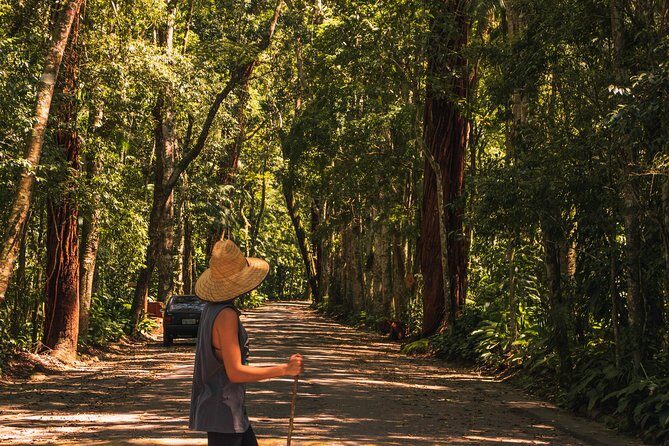
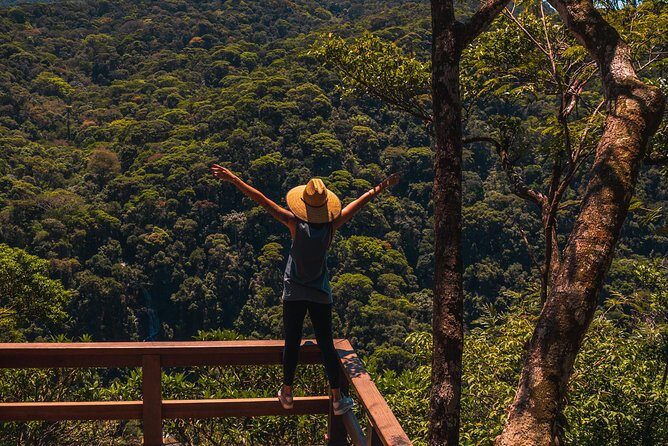
Next comes the viewpoint of Cascatinha. This is your “pause and look” moment, and it’s strategically placed after you’ve worked through the earlier trail effort.
The value here is simple: waterfalls are vertical and noisy, but viewpoints are horizontal and calming. You shift from tracking movement in the canopy to reading a broader scene—tens of shades of green, mist, and depth. For many people, this is the point where the hike stops feeling like a walk and starts feeling like an experience you’ll remember.
It also helps the day feel complete. You don’t just see the park’s features up close; you also see how they connect across a bigger area. If you’re photographing, this is where your shots will likely look more “Rio” and less “only trees.”
Bring a little patience here. Viewpoints often mean people stop and start with photos, so keep your gear managed and your movements careful. With a small group, the flow is usually smoother than in larger tours.
End with a waterfall bath: the fun payoff (and the gear reality)
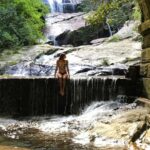
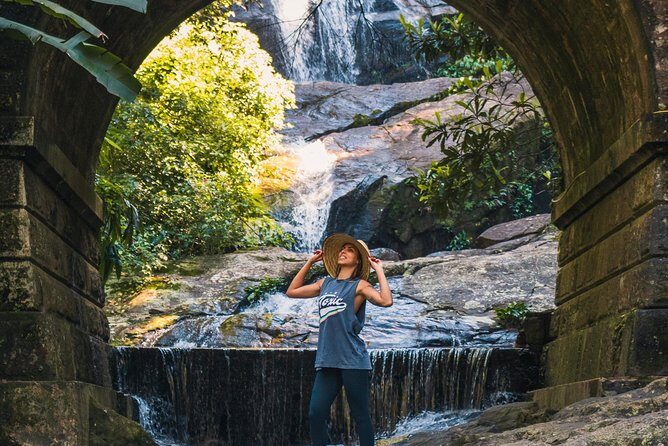
The tour ends with a waterfall bath at a small waterfall where you can go under. This is the part you’ll either love instantly or decide quickly to just watch—either way, it’s a memorable way to finish a forest hike.
Why it works: the bath isn’t just an extra. It’s a natural conclusion after you’ve already experienced the forest’s main drops and the viewpoint. Your body also gets a break from the heat and exertion.
Gear-wise, assume you’ll get wet if you choose to go under. Wear quick-dry clothes if you have them, and plan for the fact that your shoes and socks may not dry fast afterward. If you’re heading straight to dinner, it’s worth having a dry layer in your bag.
Also remember the hike is not a loop. You’ll turn back after you reach the end of the route, so you’re going to walk again after the bath. If you’re sensitive to cold after water (or you’ll be in sandals after), plan your clothing accordingly.
The guide, photos, and a small-group pace that helps you enjoy the details
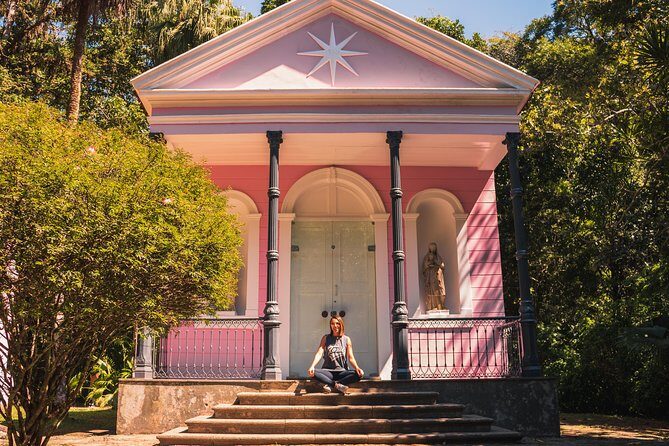
The experience is run by Guilherme Pessanha dos Santos, with a specialized guide on your hike. The tour is offered in English, and the group size is capped at 15 travelers, which is a big quality lever.
Small group means you’re more likely to hear explanations, not just follow someone’s back. It also helps with animal-spotting pauses. When you stop to look at something small—an insect, a lizard, a bird—you don’t want the group to stretch out into a moving cloud.
Now, about the photos: the experience name specifies specialized guide and photos. The exact format isn’t spelled out here, so I’d treat this as a benefit you can expect, but don’t assume you’ll get specific delivery methods. Still, having photos as part of the experience is a practical value—waterfalls and wildlife are hard to photograph on the move, especially when you’re hiking on uneven ground.
Finally, the guides matter most when the trail has uneven footing and steep sections. A good guide keeps the pace realistic and helps you focus on where to step so you can spend energy enjoying the park.
Price and value: what $68.61 buys you in Rio
At $68.61 per person for about 4 hours, this isn’t a bargain hike where you mostly DIY your way. You’re paying for a guided route in Tijuca National Park, plus the small-group format and the specialty focus that comes with a guide.
I think the value is strongest if you want more than photos of scenery. This kind of guided hike helps you get to the right beats—waterfall start, visitor area, Cascatinha viewpoint, then the wet finish—without turning your day into a research project.
It’s also good value if you’re traveling with limited time. Many Rio days get packed fast. Here, you get a concentrated nature outing that doesn’t eat your whole schedule.
The price is less appealing if your main goal is a self-paced hike. If you love mapping routes and going at your own pace, you might prefer free-form hiking. But if you want structure, interpretation, and a smoother day, the cost starts to make sense.
Who should book this trail—and who should skip it
This hike suits you if you:
- want a guided route in Tijuca National Park with clear highlights
- like walking in the shade and don’t mind a moderate grade
- enjoy wildlife spotting and want a chance at seeing animals up close
- want a cool finish with a waterfall bath
You should think twice if you:
- struggle on steep inclines or with stairs
- need a fully flat, easy walking experience
- dislike turnaround routes (because you’ll head back the way you came)
It also helps if you have a flexible mindset about wildlife. You might see monkeys and tarantulas or you might not. The point is that the route passes through conditions where wildlife chances exist.
A practical packing checklist (so the bath doesn’t ruin your day)
You don’t need to bring a mountain of gear, but you do want to be ready for both walking and getting wet. I’d pack with two goals: comfortable footing and a plan for damp clothes afterward.
Quick hit ideas:
- supportive shoes with grip for trail sections
- a small bag you can keep close and secure
- a dry layer or towel if you’re going out afterward
- water and sun protection, since even shady trails can still feel intense
Also, bring a smart attitude toward timing. The tour runs in the daytime window, and weather matters here, so you’ll want to pay attention to day-of conditions.
Quick FAQ about this Tijuca Forest Trail
FAQ
How long is the Tijuca Forest Trail tour?
It’s listed as about 4 hours.
Where does the tour start and end?
It starts at Praça Afonso Vizeu – Alto da Boa Vista, Rio de Janeiro, and ends back at the same meeting point.
What language is the tour offered in?
The tour is offered in English.
What fitness level do I need?
The tour indicates travelers should have a moderate physical fitness level.
How many people are in the group?
The maximum group size is 15 travelers.
Is the trail a loop?
No. It is not a loop, and you should expect to turn around once you reach the end.
What happens if the weather is bad?
The experience requires good weather. If it’s canceled due to poor weather, you’ll be offered a different date or a full refund.
Should you book this Tijuca Forest Trail?
If you want a guided jungle walk in Rio with a clear highlight sequence, I’d book it. The 60-meter waterfall start and the finish with a waterfall bath make it feel like more than a normal hike, and the small group size adds comfort and focus. If your priority is wildlife and a forest viewpoint at Cascatinha, this route delivers that kind of day.
If steep grades and turnaround hikes are dealbreakers for you, pass. This isn’t a low-stress level path, and the incline can surprise you if you only expect an easy stroll. But for most people with moderate fitness, it’s a smart, time-friendly way to experience Tijuca National Park.
If you want, tell me what month you’re going and how comfortable you are with stairs, and I’ll help you decide if the route matches your comfort level.