REVIEW · RIO DE JANEIRO
Samba Soul Tour
Book on Viator →Operated by Alma Carioca Turismo · Bookable on Viator
Samba tells more than a beat. This 4 to 5 hour Rio tour connects the city’s port history to how samba culture gets built, taught, and performed. I love that it goes beyond music, with clear context about how samba grew in Rio’s streets and society. You also get real city views from the start, so the day feels grounded in place, not just performances.
My favorite part is the visit to Cidade do Samba, tied to Grande Rio Samba School. You get a behind-the-scenes look at how parade elements are created long before anything happens at the Sambadrome, including hand work on big parade cars, costume production, and the crafts behind those dramatic allegories. It’s the kind of stop that makes you see Carnival as labor and teamwork, not just spectacle.
One thing to consider: the Museu de Arte do Rio (MAR) stop depends on museum opening hours. The museum is closed on Mondays, so if your dates land on Monday, you may miss that specific terrace viewing moment.
In This Review
- Key highlights I’d circle before you go
- Getting your bearings at Museu de Arte do Rio (MAR)
- Praça Mauá: where the port era started the story
- Riding the VLT along Olympic Boulevard’s old docks
- Cidade do Samba: where parade craft happens before the Sambadrome
- Pedra do Sal: small Africa and the sound that shaped urban samba
- Largo da Prainha finale: Mercedes Baptista and the rodas de samba vibe
- What the timing really feels like (and how to prepare)
- Price and value: why the included tickets matter
- Who should book Samba Soul Tour
- Should you book Samba Soul Tour?
- FAQ
- How long is the Samba Soul Tour?
- What’s included in the tour ticket?
- Is lunch included?
- Where does the tour start and end?
- Is the tour offered in English?
- What if the weather is bad or the tour needs to be canceled?
Key highlights I’d circle before you go
- Small group size (max 15), so the English storytelling has room to breathe
- MAR terrace panoramas over Praça Mauá and Guanabara Bay to set the scene
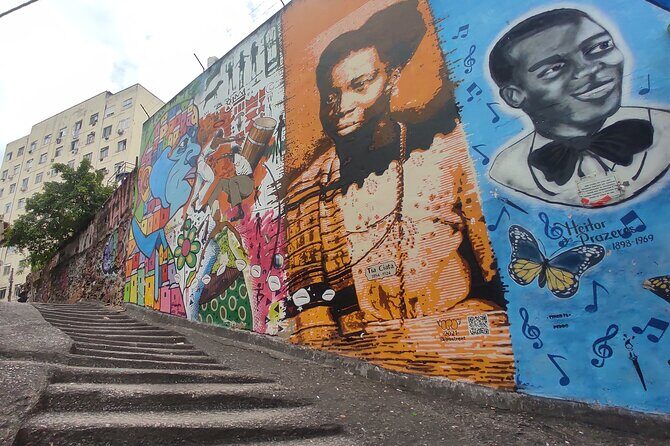
- VLT tram ride through old docks and street art along Olympic Boulevard
- Cidade do Samba production workshop linked to Grande Rio, with close-up craft details
- Pedra do Sal small Africa roots where urban samba took shape
- Finish with Mercedes Baptista tribute that spotlights black women in samba and Afro-Brazilian dance
Getting your bearings at Museu de Arte do Rio (MAR)
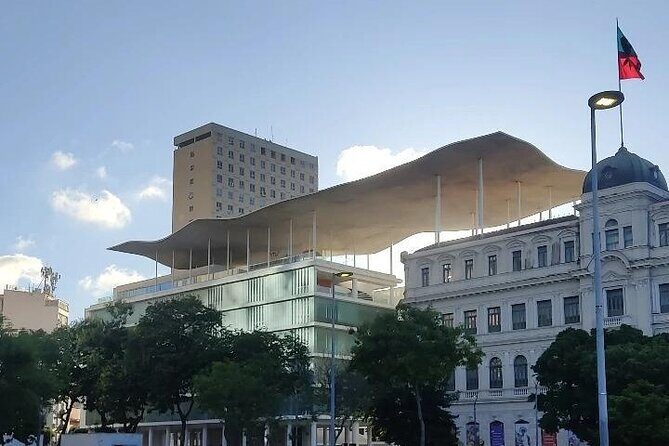
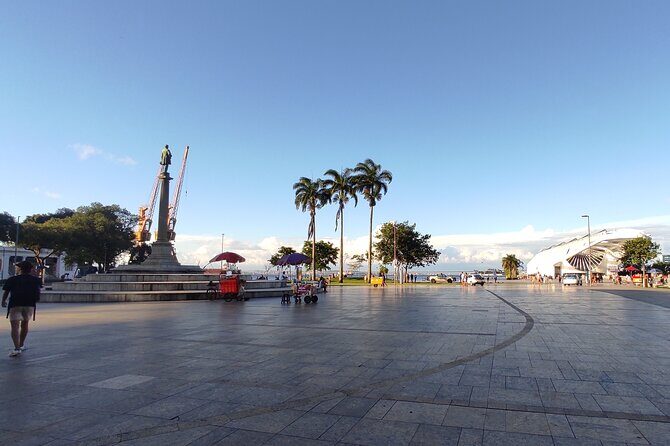
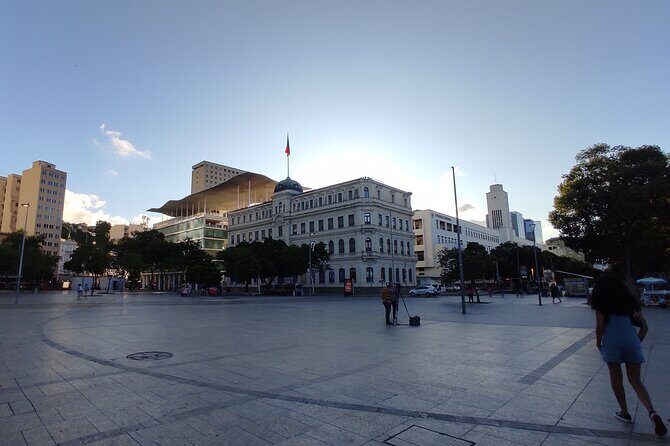
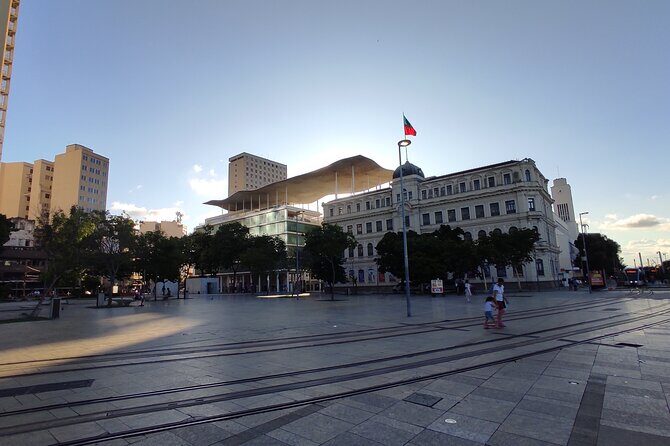
The tour kicks off at Museu de Arte do Rio, right around Praça Mauá in the Saúde area. Even before you “reach samba,” you get a strong sense of Rio as a city built on movement: shipping, migration, and coastal commerce. The group gathers at the museum, and you head up to the terrace for a panoramic view.
From there, you can look over Praça Mauá and out toward Guanabara Bay. It helps you understand why this area matters. Samba didn’t grow in a vacuum. Rio’s rhythms and traditions developed alongside how people came in, how neighborhoods formed, and how communities interacted around port life.
Practical heads-up: the MAR museum is closed on Mondays. If you’re planning on a Monday tour, don’t assume the terrace moment will happen the same way. Plan for a slightly different feel, or contact the operator ahead of time so you know what to expect.
You can also read our reviews of more tours and experiences in Rio de Janeiro.

Praça Mauá: where the port era started the story
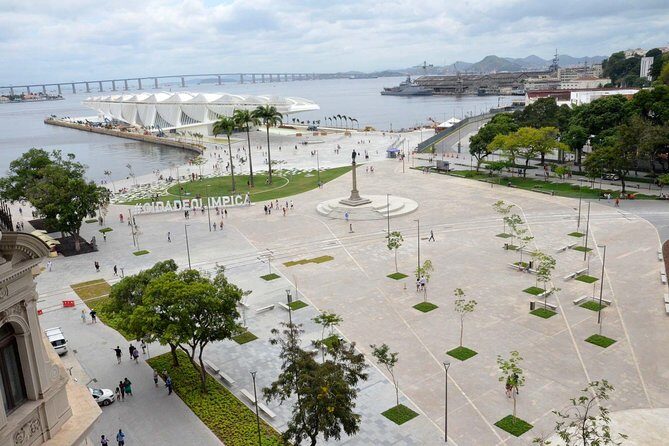
After MAR, you move to Praça Mauá. This is a key starting point along Avenida Rio Branco’s route and within Rio’s Port Region. The big idea here is connection: in the early 1910s, with Porto do Rio opening, the square became a welcome area for incoming ships and visitors. In other words, you’re standing in a place that helped shape what Rio looked like to outsiders and how new arrivals filtered into the city.
As you walk around, you’ll notice major buildings surrounding the square, including the Rio Art Museum (MAR) you just visited and the Museum of Tomorrow. There’s also the Night building, the city’s first skyscraper, built in 1930. This is one of those stops where the guide’s job matters. Good guiding turns what could be “just a plaza” into a chain of cause-and-effect: architecture, transport, commerce, and cultural life.
Time on this part is short, so treat it like orientation. You’ll get enough detail to connect it to what comes next, especially the samba sites later that sit in the same broad corridor of Rio’s history.
Riding the VLT along Olympic Boulevard’s old docks
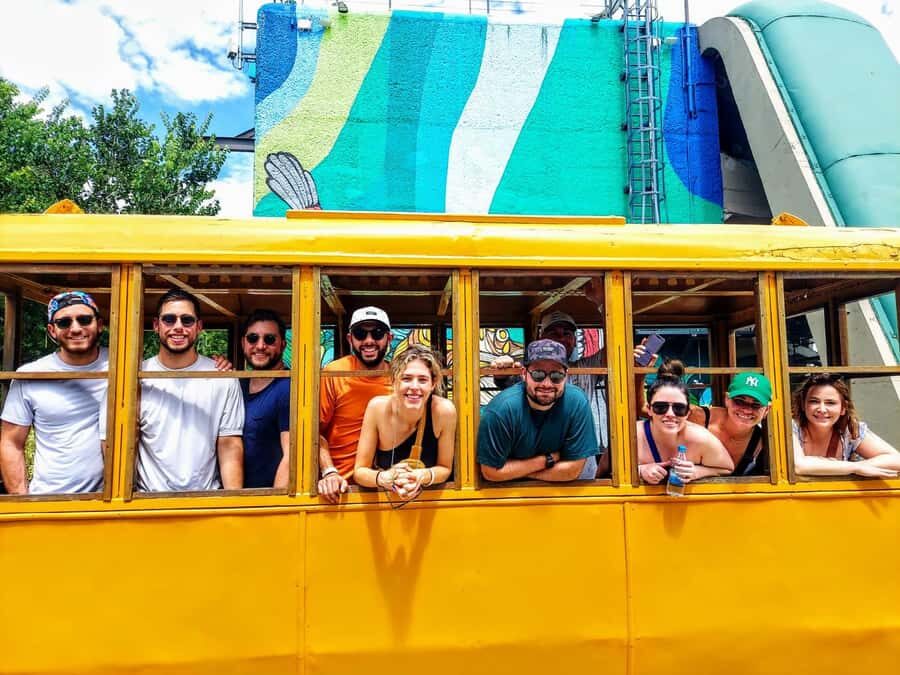
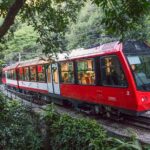
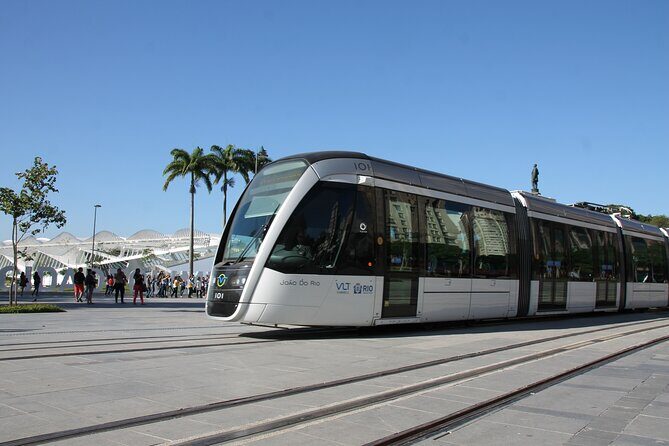
Next comes a tram ride on the VLT (a modern tram system). You’re traveling from Plaza Mauá toward Samba City, and the route is part of the experience. Instead of only getting stories while standing still, you see the edges of Rio changing over time.
Along the way, you pass old docks and areas with street art right along Olympic Boulevard. It’s not just window dressing. Street art here acts like a living map. It shows you how the city’s visual culture keeps updating while older infrastructure still shapes the space.
The tram segment is also useful for pacing. You get seated time and moving time, which helps if you’re trying to do this after another activity in Rio. The tram tickets are included, so you aren’t juggling transit questions in the middle of a guided story.
Cidade do Samba: where parade craft happens before the Sambadrome
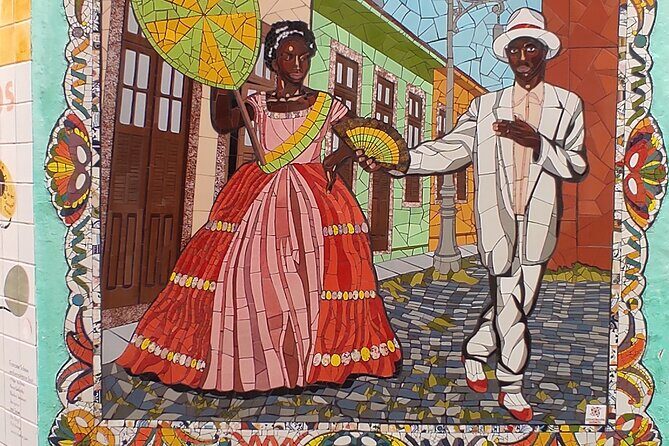
Then you hit the main event: Cidade do Samba. This is where you see how a samba school prepares a Carnival parade long before it’s staged at Marquês de Sapucaí Sambadrome.
The focus here is production. You’re not just watching costumes. You’re seeing how they get made, how allegories and customs are produced, and how the visual designs become real objects. Depending on the flow of the visit that day, you’ll get close-up detail on the steps that usually stay out of sight for most visitors.
A standout element is the attention to process. The tour explains how big cars and key elements are put together by hand, and it highlights the professionals behind the scenes. That matters because samba school work is technical and collaborative. When you understand the craft, you start noticing it later in the parade: how materials behave, how construction supports movement, and how costume design anticipates the performance.
Grande Rio is specifically tied to this experience, and the whole point is that Carnival is a production cycle, not a single day. You’ll come away understanding why these schools function like cultural institutions, with training, coordination, and long-term community roles.
Pedra do Sal: small Africa and the sound that shaped urban samba
After the workshop, the tour shifts back to roots, and the change in setting is the point. You head to Pedra do Sal, on Conceição Hill, in an area historically known as small Africa. This region stretched from around Praça Mauá toward Cidade Nova, meaning it’s close enough to the port zone that the connections between movement and culture make sense.
Here, the stories turn more human and more musical. Pedra do Sal is linked to early forms of samba-making, including rural samba played with hands and percussion like tambourine, along with plate and knives. The guide also points to dancing traditions: tap dancing and patterns like umbígadas. The key concept is that these gatherings weren’t only entertainment. They were community spaces where rhythms were passed along, practiced, and transformed.
Urban carioca samba is described as having come from popular samba and carnival-era ranch traditions. Standing at Pedra do Sal helps you grasp how samba evolved: it didn’t appear fully formed at one location. It grew through contact, adaptation, and repeat gatherings.
This stop is shorter, but it lands well after Cidade do Samba. You’ve just seen the modern parade production. Now you’re reminded that the cultural energy feeding it has deep neighborhood roots.




Largo da Prainha finale: Mercedes Baptista and the rodas de samba vibe
The tour ends at the Estátua de Mercedes Baptista at Largo da Prainha. This finale isn’t just about locations. It’s about recognizing who shaped samba and Afro-Brazilian dance, with a specific spotlight on black women’s role in samba music and dance traditions.
Once you reach Largo da Prainha, you can grab snacks and refreshments nearby, and the area is set up for that pre-rodas energy. The tour connects the end point to the possibility of joining a roda de samba atmosphere connected to Pedra do Sal. The idea is to keep the day alive beyond the official guided portion, without forcing a big-ticket show.
As for practical value: the end location is in an area with bars and plenty of transport options like taxis and rideshare. That helps if you’re trying to keep dinner plans simple afterward.
What the timing really feels like (and how to prepare)
On paper, the tour is listed as about 4 to 5 hours. In real life, it feels like a sequence of focused segments: short orientations, one longer workshop, then shorter cultural stops. You’ll spend real time inside Cidade do Samba, and you’ll use the earlier stops to build context so the workshop doesn’t feel random.
The group stays small, with a max of 15 people, and the tour is offered in English. That matters because the stories connect social, economic, and political threads to samba’s development. If you like understanding why something exists, not just what you’re looking at, this format works.
You should also think about what you eat and drink. Lunch is not included, and the tour gives you a chance to snack near the end point. If you’re prone to getting hungry while traveling, plan a light meal before you go. Bring water, especially if you’ll be walking and standing in warm conditions.
Price and value: why the included tickets matter
Even without a price shown here, you can still judge the value by how the inclusions reduce your friction.
You get VLT tram tickets included, which saves time and effort during the middle part of the tour. More importantly, you get City of Samba tickets included, and that’s the most “ticket-like” part of the experience. That visit is where the access matters. You’re not just paying for viewpoints; you’re paying for permission to see how parade production works and to understand the craft behind it.
The tour also saves you from doing the route solo. You’re moving between several distinct areas with different “modes” of Rio: port-zone plazas, tram corridors, production spaces, and cultural neighborhoods. A guided flow reduces the chance you spend more time figuring out logistics than absorbing what you came to see.
The tradeoff is what isn’t included: no lunch and no private transportation. That’s not a deal-breaker, but it means you should handle meals and expect to use the included transit and local walking.
Who should book Samba Soul Tour
This is the kind of tour I recommend when you want more than a photo run.
You’ll love it if:
- You care about samba as culture and community, not just a dance or sound
- You enjoy historical context tied to real places, from Praça Mauá to small Africa areas
- You want behind-the-scenes Carnival production details at Cidade do Samba
- You like stories told in a way that connects music to social and civic life
It may not be ideal if:
- You’re only interested in nightlife or a big stage performance
- You hate any walking or standing time (even with breaks, there are several stops)
- You travel on a Monday, since MAR is closed and that first terrace viewing piece may change
Should you book Samba Soul Tour?
If your goal is understanding Rio’s samba ecosystem in one focused afternoon, I think this is a strong choice. The best part is the balance: you start with port-zone context, ride through the city’s layers, get real workshop access at Cidade do Samba tied to Grande Rio, then end at Mercedes Baptista with a cultural and musical payoff near Largo da Prainha.
I’d book it if you’re the kind of visitor who likes the why behind the what. The stories land especially well when you connect samba to neighborhoods, labor, and how communities build traditions over time.
If you’re going on a Monday, do double-check the MAR piece with the operator so you aren’t expecting that exact terrace moment. If you can plan around that, you’ll likely leave with a smarter, richer sense of what samba means in Rio.
FAQ
How long is the Samba Soul Tour?
The tour lasts about 4 to 5 hours.
What’s included in the tour ticket?
It includes VLT (tram) tickets and City of Samba tickets.
Is lunch included?
No. Lunch is not included.
Where does the tour start and end?
It starts at Museu de Arte do Rio (Praça Mauá, 5 – Saúde, Rio de Janeiro) and ends at the Estátua de Mercedes Baptista (Largo São Francisco da Prainha – Saúde, Rio de Janeiro).
Is the tour offered in English?
Yes. The tour is offered in English.
What if the weather is bad or the tour needs to be canceled?
The experience requires good weather. If it’s canceled due to poor weather, you’ll be offered a different date or a full refund.