REVIEW · RIO DE JANEIRO
Samba Night in Pedra do Sal with 1 free caipirinha
Book on GetYourGuide →Operated by DiCria e-Bike Tour · Bookable on GetYourGuide
Samba is louder when the history is real. This 4-hour samba night in Pedra do Sal connects you to Rio’s Little Africa through a guided walk, a UNESCO stop, and street-level music. You start at Largo de São Francisco da Prainha and end where people actually move to samba on Monday nights.
I especially like two parts: first, the way your guide ties together African influence in Rio’s music and religion with what you see at Cais do Valongo. Second, the energy at Pedra do Sal is built for real interaction, with live street samba, locals dancing, and a welcoming vibe that makes it easier to join in. (And yes, the included caipirinha helps.)
One consideration: this is a walking-focused evening and you should expect dancing to be part of the fun. If you have mobility needs, the tour isn’t suitable for wheelchairs or people with mobility impairments, so plan accordingly.
In This Review
- Key highlights you’ll care about
- Little Africa After Dark: what makes this night different
- Starting at Largo de São Francisco da Prainha at 7:30 PM
- Walking with context in Saúde: the stories that shape what you hear
- Cais do Valongo: UNESCO ground with heavy meaning
- Pedra do Sal: where the Monday street samba energy lives
- The included caipirinha: the small detail that changes the vibe
- Optional Polaroid souvenir (+$20 extra): instant keepsake
- How the 4-hour timing works on the ground
- Price and value: what $42 really buys you
- Who this tour fits best (and who should skip it)
- Practical tips so you enjoy every minute
- Should you book Samba Night in Pedra do Sal with a free caipirinha?
- FAQ
- What is included in the Samba Night in Pedra do Sal?
- Where does the tour start and how do I find it?
- How long is the experience?
- What time does the tour start?
- Is hotel pickup or drop-off included?
- Are meals included?
- What languages are available for the guide?
- Is there an extra souvenir option?
- Is this tour suitable for wheelchair users or people with mobility impairments?
- What should I bring?
Key highlights you’ll care about
- UNESCO Cais do Valongo: you’ll visit a former slave port tied to Rio’s African roots
- Pedra do Sal Monday nights: live street samba with drums, locals dancing, and cold drinks
- A real context-first guide: stories about resilience and Afro-Brazilian culture, not just music trivia
- One free welcome caipirinha to kick off the rhythm
- Photo souvenir option: you can add a Polaroid (+$20 extra) if you want a keepsake
- Comfort matters: you’ll be walking and should be ready to dance a bit
Little Africa After Dark: what makes this night different
Rio has plenty of music, but this experience starts earlier than the party does. You’re not just showing up for a show; you’re walking the port area where Afro-Brazilian history shaped the city’s identity, and your guide connects that story directly to what you’ll hear and see later.
I like that it keeps a practical pace. You get a clear sequence: meet, walk with context, visit key historical ground, then arrive at Pedra do Sal where the streets turn into a samba meeting point. It’s the kind of structure that helps you feel oriented even if you don’t know the neighborhood.
The second reason it works is the focus on how culture survives. Your guide frames the evening around resilience of the Afro-Brazilian community, and that lens makes the dancing feel less like a performance and more like a continuation of something people refuse to lose.
You can also read our reviews of more evening experiences in Rio De Janeiro



Starting at Largo de São Francisco da Prainha at 7:30 PM
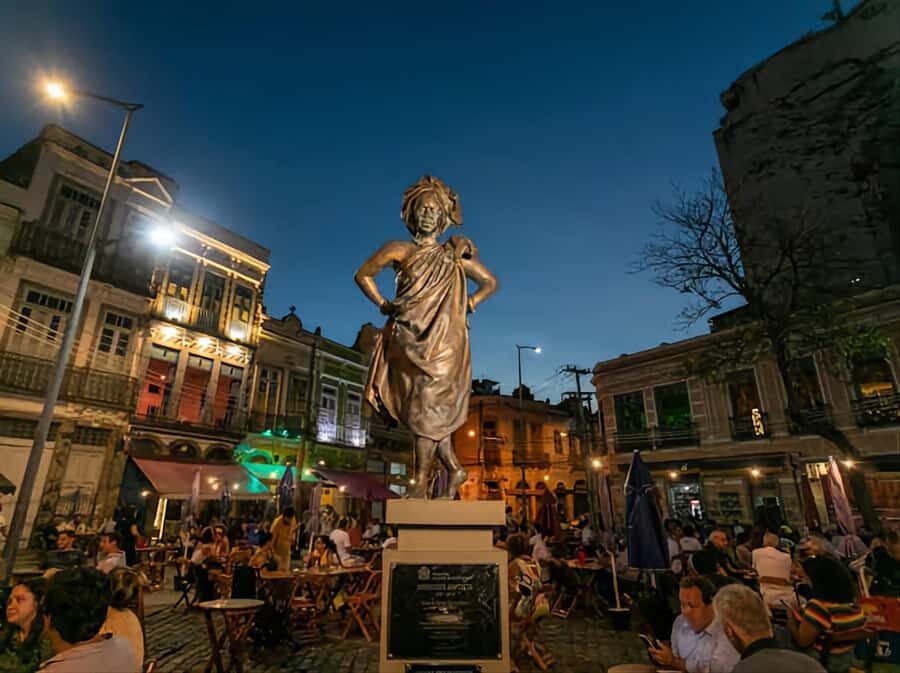
The night begins at Largo de São Francisco da Prainha, in Rio’s legendary port region. The timing matters because this is a street scene that comes alive as the evening sets in, especially on Mondays at Pedra do Sal.
You’ll start with the kind of orientation that helps the area click fast. That’s where your guide’s role is strongest: you learn how to read the neighborhood around you, instead of walking through it like it’s just scenery. Bring comfortable clothes and shoes you can move in, because this isn’t a sit-and-watch format.
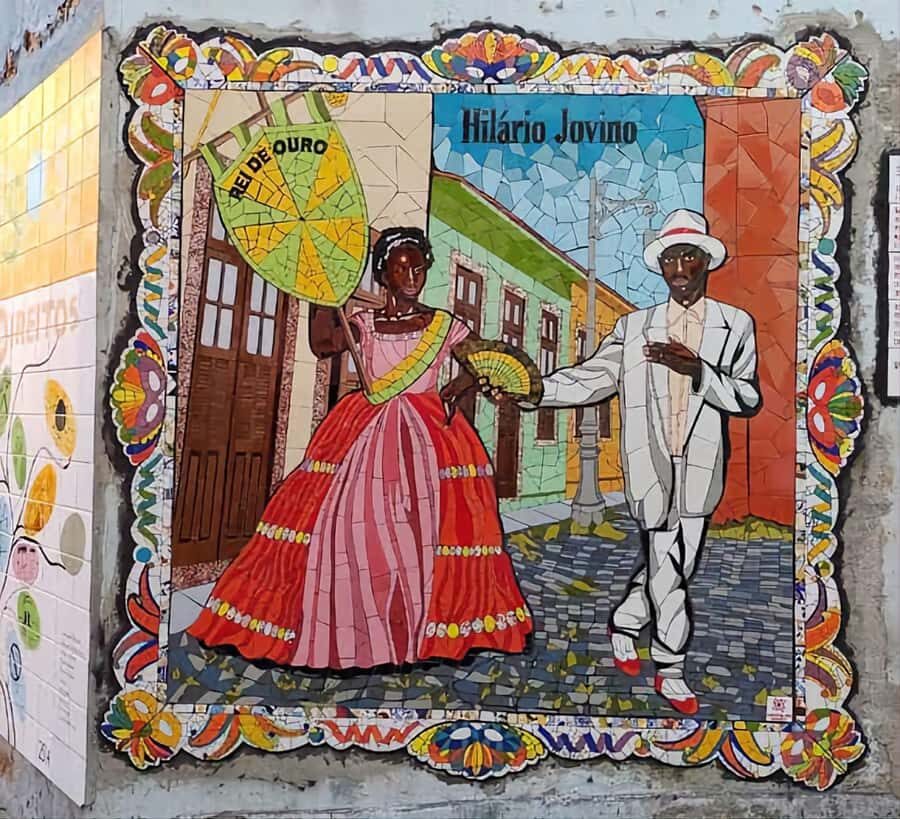
If you’re thinking about cameras, plan for it. There’s street art you’ll want to capture, and the walk gives you opportunities to stop and look without breaking the flow.
Walking with context in Saúde: the stories that shape what you hear
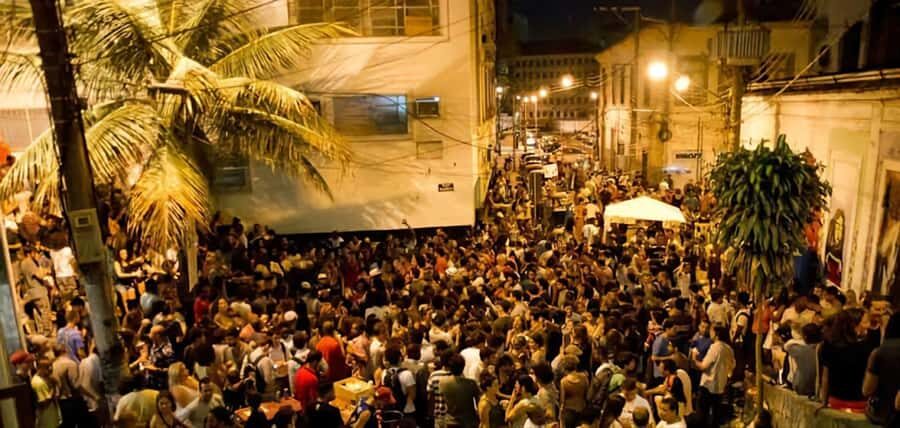
You’ll spend time in Saúde, guided as you move through the historic heart of Rio’s African roots. The goal here isn’t to list facts; it’s to give you a map for understanding why the samba experience at the end of the walk feels the way it does.
Your guide explains how African culture influenced Rio’s music and religion, and that theme comes back later when you reach Pedra do Sal. Even if you’re not religious or musical, the explanation helps you notice patterns: rhythms, community spaces, and the way people gather.
A useful mindset: treat this portion like “setup.” If you show up thinking you’ll only get a party, you’ll miss the reason the party feels meaningful.
Cais do Valongo: UNESCO ground with heavy meaning
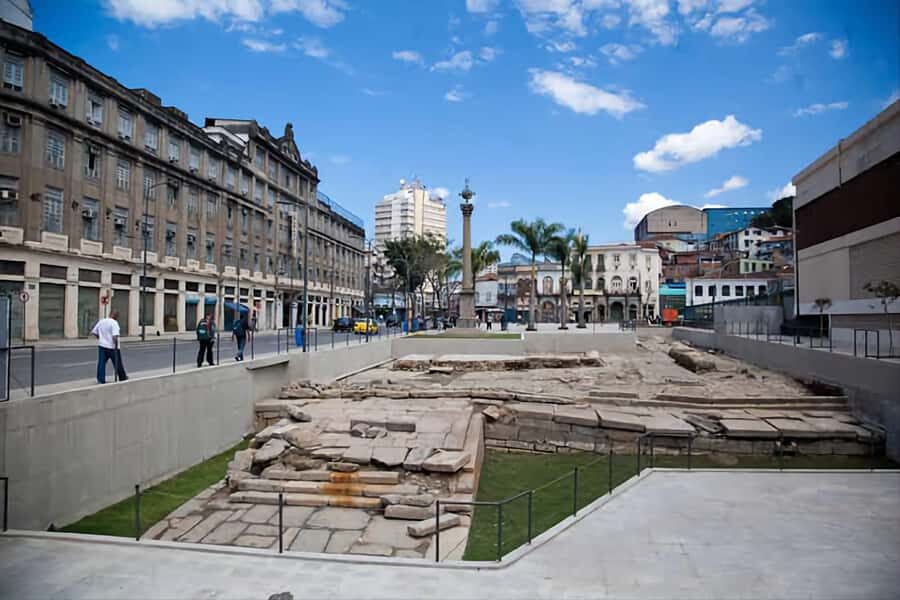
One of the strongest reasons to book this tour is the visit to Cais do Valongo, a UNESCO World Heritage site and former slave port. This stop isn’t just a landmark photo; it’s a moment where your guide grounds the evening in the realities of forced migration and the survival that followed.
You’ll learn about the port’s role in Rio’s history and the lasting influence of African culture afterward. The guide also emphasizes resilience, so the story doesn’t end at tragedy; it continues into how Afro-Brazilian communities shaped Rio’s rhythms, spiritual traditions, and everyday life.
Practical note: since this is an evening walking tour, you’ll be on your feet. Wear shoes with good grip and plan for a bit of uneven ground around historic areas.
Pedra do Sal: where the Monday street samba energy lives
Then comes the part most people book for: Pedra do Sal, known as the birthplace of samba. On Monday nights, this is when the area shifts from ordinary to alive, with real street samba rather than staged “tour” music.
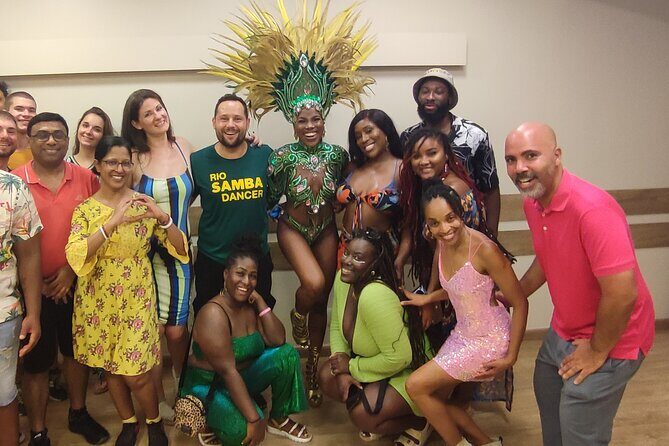
When you arrive, look for the atmosphere first, not the music second. You’ll see live drums and people already moving, with locals dancing and cold drinks circulating through the crowd. It’s one of those scenes where joining in feels natural because you’re not the only visitor—and you’re not the only one learning in real time.
This is also where your guide makes a difference. In the past, guests have praised guides like Bruno for making people feel comfortable throughout the night, which matters if you’re unsure whether to participate. If you want to dance, you’ll find a rhythm and a space to do it. If you don’t, you can still enjoy the sound and watch the community energy close-up.





The included caipirinha: the small detail that changes the vibe
To start the night right, you get one welcome caipirinha on us. That might sound like a minor perk, but it works because it syncs you with the mood immediately. You’re not waiting for the party to start; you’re stepping into it.
One thing I’ve picked up from past guests: caipirinha flavors can include fruit options like kiwi, passion fruit (maracuyá), and lime. Since only one drink is included, I’d treat it as a moment to choose what you like and enjoy it where it counts—right at the beginning, not later.
Optional Polaroid souvenir (+$20 extra): instant keepsake
If you want a souvenir that feels more personal than a phone photo, there’s an optional Polaroid picture available for + $20 extra. It’s a smart add-on for this kind of night because the setting is all about motion and atmosphere—Polaroids can capture that vibe in a way that’s fun to keep.
If you’re traveling light, consider whether you want the extra item. But if you like instant keepsakes, this is one of the few “add-ons” that actually fits the experience.
How the 4-hour timing works on the ground
The tour runs about 4 hours, which is long enough to cover meaningful history and still end in time to enjoy the night. You’ll walk, visit Cais do Valongo and Pedra do Sal, and spend enough time at the music spot to feel the flow rather than just arriving for a quick taste.
A good rule: plan your evening around this, not after it. Since there are no meals included, you’ll want to think about dinner timing before you start, then let the samba take over once you arrive. If you’re hungry, you’ll probably feel it during the walk.
Also, be ready to move. This isn’t a “standing at a safe distance” event. You might dance, and the tour experience is built around that expectation.
Price and value: what $42 really buys you
At $42 per person for about four hours, the value comes from combining three things that usually get separated:
- guided historical context through Rio’s Little Africa area
- a UNESCO visit tied directly to the evening’s cultural themes
- live street samba time at Pedra do Sal, plus a drink
If you tried to recreate this on your own, you’d likely spend more time figuring out the right sequence and missing the explanations that make the samba feel connected to what you see. The included guide is the “glue” that holds the history and the music together, and guides can make or break small-group neighborhood experiences.
You should also count the included caipirinha as part of the value. It’s not a full bar tab, but it makes a difference in how quickly you feel comfortable in the scene.
Finally, the price is in line with what you’d pay for entry-level guided experiences in central Rio when you factor in a real guided route plus live music time.
Who this tour fits best (and who should skip it)
This works well if you want:
- a guided explanation of why samba in Rio is more than entertainment
- an evening that blends history and street music
- a chance to join in with dancing without having to plan the logistics
Based on the tour’s physical setup, I’d avoid it if you need wheelchair access or have mobility impairments. It’s described as not suitable for wheelchair users, and you should expect walking throughout.
If you’re short on time and want one meaningful evening that feels local, this is also a strong choice. You get culture, music, and a specific neighborhood identity in one block of time.
Practical tips so you enjoy every minute
Before you go, pack the basics that protect your comfort. Wear comfortable shoes and clothes you can move in, because you’ll be walking and likely dancing.
Bring a camera if you want to capture street art and the vibe at Pedra do Sal. Sun protection is advised, even for an evening, because earlier daylight (and the walk) can still be intense.
And if you’re planning to dance, decide beforehand: either commit to it for fun, or plan to enjoy the music and crowd without pressure. Either way, you’ll enjoy yourself more if you’re not second-guessing what you should do.
Should you book Samba Night in Pedra do Sal with a free caipirinha?
If you want Rio’s samba experience with context—history you can actually stand on, then music you can feel in your body—this tour is a smart pick. The UNESCO stop at Cais do Valongo gives the evening weight, and the Monday-night scene at Pedra do Sal gives it the release of real street samba.
Book it if you’re comfortable walking, open to learning from a guide, and ready for the idea that you’re not just watching—you’re part of the atmosphere. Skip it if mobility is an issue for you, or if you prefer a fully seated, no-participation type of nightlife.
If you’re aiming for one night that genuinely feels tied to the neighborhood, this is the kind of plan you’ll be glad you made.
FAQ
What is included in the Samba Night in Pedra do Sal?
The tour includes a walking tour of Rio’s Little Africa, visits to Cais do Valongo and Pedra do Sal, a live samba music experience, and a complimentary caipirinha.
Where does the tour start and how do I find it?
The meeting point is Largo de São Francisco da Prainha, and it’s described as the main square close from Pedra do Sal.
How long is the experience?
The duration is 4 hours.
What time does the tour start?
It starts at 7:30 PM.
Is hotel pickup or drop-off included?
No, hotel pickup and drop-off are not included.
Are meals included?
No, meals are not included.
What languages are available for the guide?
The live tour guide offers English, Spanish, and Portuguese.
Is there an extra souvenir option?
Yes. You can add a Polaroid photo for +$20 extra.
Is this tour suitable for wheelchair users or people with mobility impairments?
No. It is not suitable for wheelchair users or people with mobility impairments.
What should I bring?
Bring comfortable shoes and comfortable clothes, and a camera is recommended. Sun protection is advised, and you should be prepared to dance.