REVIEW · RIO DE JANEIRO
Rio de Janeiro: Hang Gliding Adventure
Book on GetYourGuide →Operated by Rio Hang Gliding · Bookable on GetYourGuide
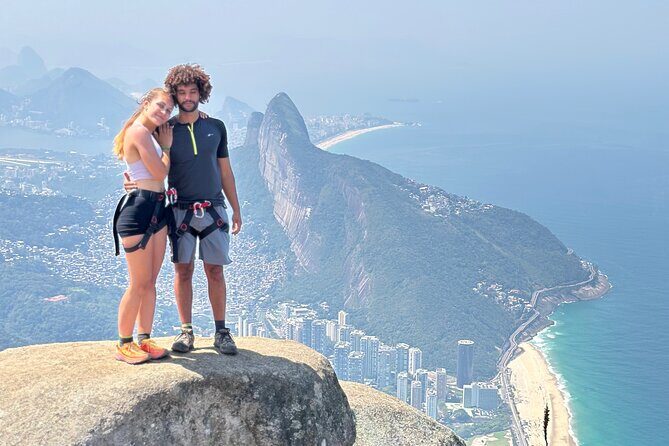
Hang gliding over Rio feels surprisingly calm. You launch from the Pedra Bonita platform (525 meters up), then glide above Rio’s coast and famous neighborhoods with a tandem pilot who runs a tight, reassuring operation. Two things I really liked right away: the clear safety briefing from highly experienced instructors and the instant sense that you’re in good hands once the harness is on. One thing to plan around: this experience is weather dependent, so you may wait (or sometimes your flight plan can shift).
The second big win for me is the video. The flight is recorded with cameras attached to the glider, and the optional angles like 360 footage are often the difference between watching a clip later and feeling like you’re back in the air while you relive it. After you land, you also get refreshments on the beach in São Conrado and time to watch others come in.
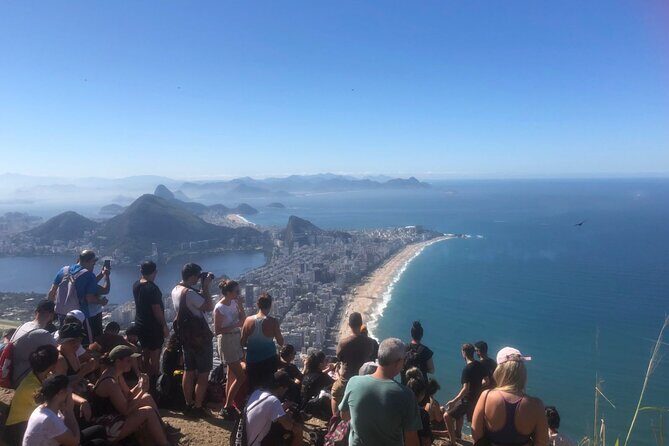
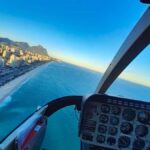
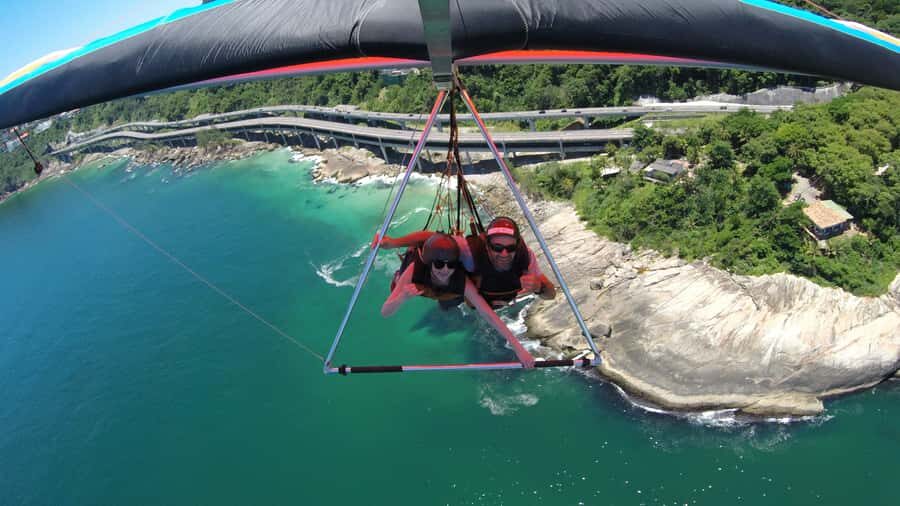
Expect an aerial view that hits Rio’s greatest hits. From up high you can look down toward Sugar Loaf Mountain, Corcovado, Copacabana, Ipanema, Lagoa, and across Guanabara Bay toward Niterói, then finish with a sandy-beach landing while the tropical air hums around you.
In This Review
- Key highlights worth your attention
- Pedra Bonita takeoff: what the run and the first seconds feel like
- The safety setup that actually makes you relax
- Your glide over Rio: landmarks you can actually recognize
- The quiet moment: birds, treetops, and the glide’s strange calm
- Landing on São Conrado beach and what happens after you touch down
- Video footage: getting a Rio keepsake without juggling your phone
- Timing, weather, and why you should give yourself a big window
- Price and value check: what you pay for, and what can cost extra
- Who should book this in Rio, and who should skip it
- What I’d do before you go
- Should you book Rio Hang Gliding from Pedra Bonita?
- FAQ
- How long is the hang gliding experience?
- Where do you launch from, and where do you land?
- Is the flight recorded?
- What extra fees should I expect?
- Does hotel pickup include transportation?
- What should I wear?
- What are the age requirements?
- Can I go if I’m pregnant or have a medical condition?
- What if I’m over 90 kg?
Key highlights worth your attention
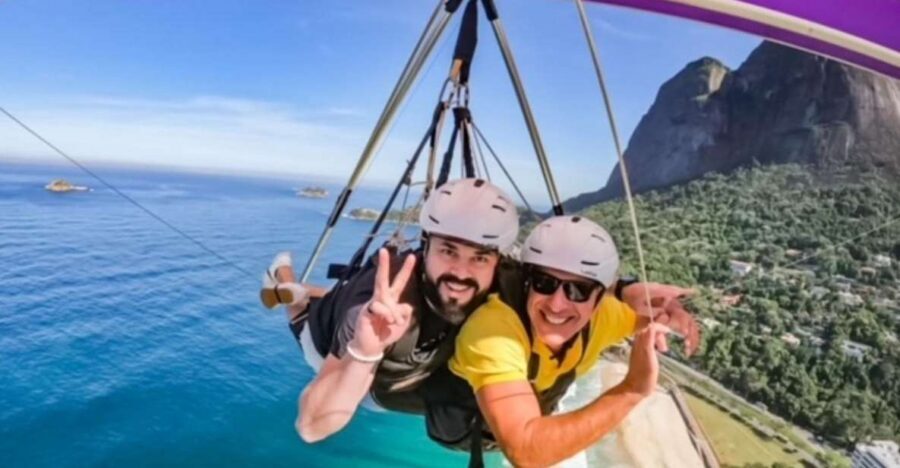
- Pedra Bonita (525 m) takeoff: a real altitude moment before you even fly
- A short run into takeoff: you step, launch, and glide fast, guided every second
- Birds overhead during the glide: you may hear tropical birds flying over the treetops
- Land on São Conrado beach: your finish is on sand, not in a remote spot
- Glider-mounted cameras: built-in video so you don’t have to time anything
- Views across Guanabara Bay: Rio landmarks plus Niterói in the same horizon
Pedra Bonita takeoff: what the run and the first seconds feel like
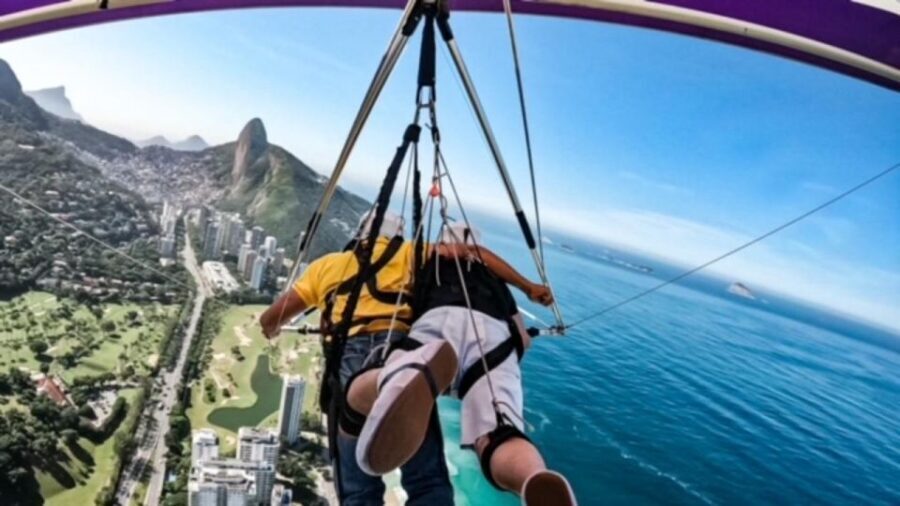
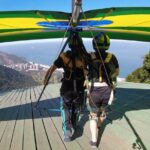
This adventure is built around one specific action: your tandem pilot gets you ready, then you launch from the Pedra Bonita takeoff platform, 525 meters above Rio. The instruction is simple and practical. You’ll get a pre-flight briefing, then you do about 7 steps over the edge and the hang glider takes over from there.
The first sensation is not like a movie jump. It’s more like a guided transition from standing and running into flight. That’s why so many people say they felt nervous at the top, but the fear shrinks quickly once the pilot confirms everything is locked in. If you’ve done extreme activities before, you’ll still feel the altitude, but the process is structured to keep you from overthinking it.
One extra thing I found reassuring: you’re not rushed into the unknown. In many cases, you get time at the top to see the setup and watch other gliders and paragliders take off before it’s your turn. That pacing matters. It helps your brain treat it like a sequence of steps, not a leap of faith.
You can also read our reviews of more tours and experiences in Rio De Janeiro.


The safety setup that actually makes you relax
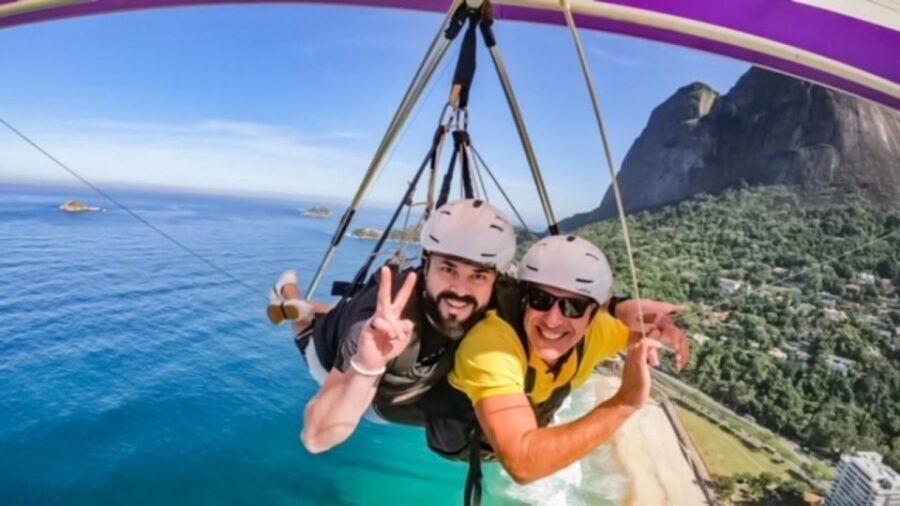
Tandem flying works only if the pilot is methodical, and the whole experience leans hard on that. Before you fly, you’ll get harness fitting, a helmet, and safety equipment, plus training that covers the takeoff and what to expect in the air.
In real-world terms, this means the pilot’s job is to remove uncertainty. People often mention feeling safe immediately with their instructor. Names you might run into include Konrad, Klaus, Marcelo, Claudio, and Maurice—all cited as calm, clear, and very focused on keeping passengers comfortable and informed.
If your flight conditions mean you switch to paragliding (it can happen based on weight and atmospheric conditions), there’s still a strong safety emphasis. One account specifically noted government officials double-checking connections in that situation, which is the kind of detail that tells you the operation cares about verification, not just confidence.
Two practical tips for you:
- Wear footwear that fits the rules: no sandals/flip-flops, and no bare feet.
- If you’re anxious, tell your pilot early. More than one guide was described as patient and reassuring, and calm coaching makes a big difference.
Your glide over Rio: landmarks you can actually recognize
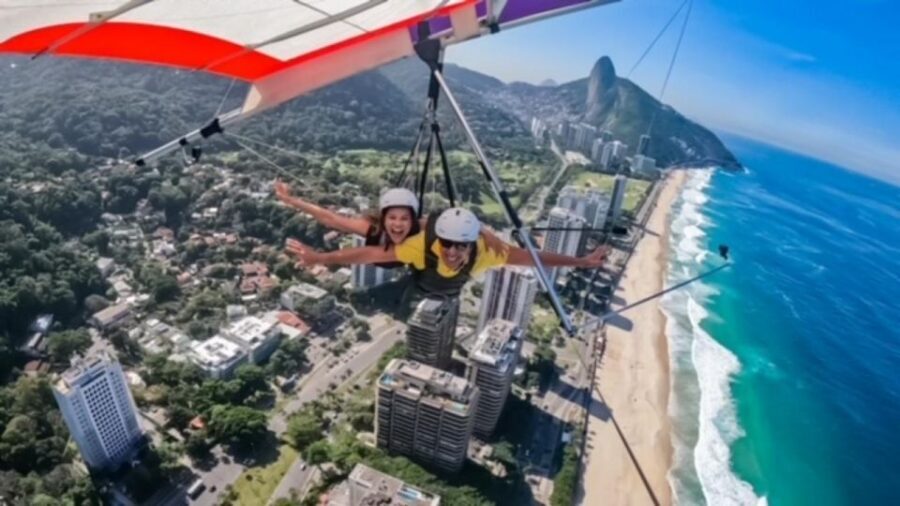
Once you’re flying, the whole reason you come to Rio starts to make sense. From the air you’ll see Rio’s geography in one continuous sweep: coastlines, hills, ocean inlets, and the way the city wraps around Guanabara Bay.
Here’s what the experience is built to show you:
- Sugar Loaf Mountain
- Corcovado
- Copacabana and Ipanema
- Lagoa
- Niterói across the bay
The best part is not just seeing these names on a map. It’s understanding how they relate to each other. From above, the coastline is the main storyline, and you get to watch the city unfold as one system: ocean, neighborhoods, then hills rising into the sky.
Also, if fog or cloud cover changes visibility on a given day, you might not see every landmark clearly. Weather can affect what’s visible, even when the flight still happens. That’s not a fault of the activity—it’s just Rio being Rio.
The quiet moment: birds, treetops, and the glide’s strange calm
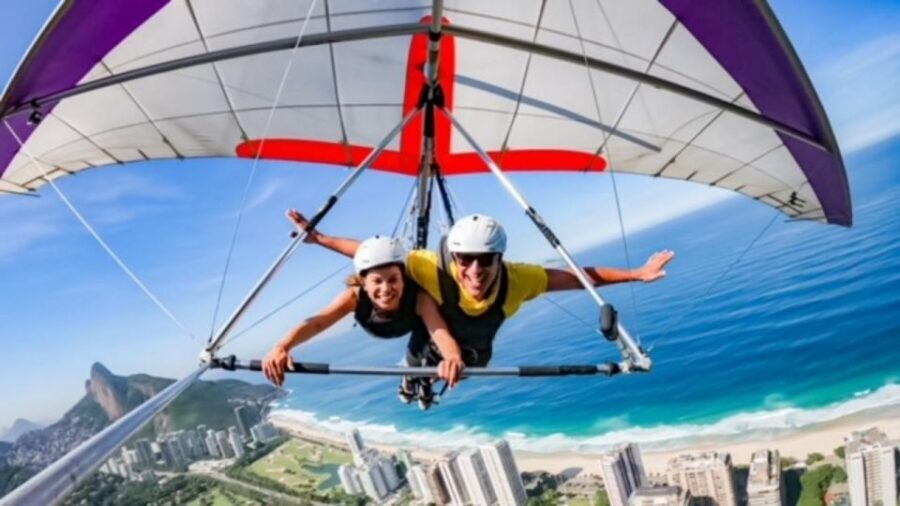
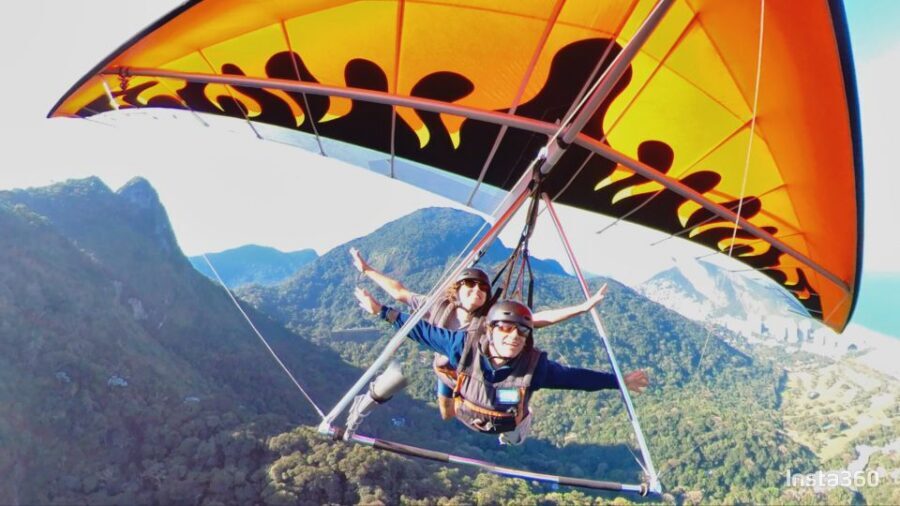
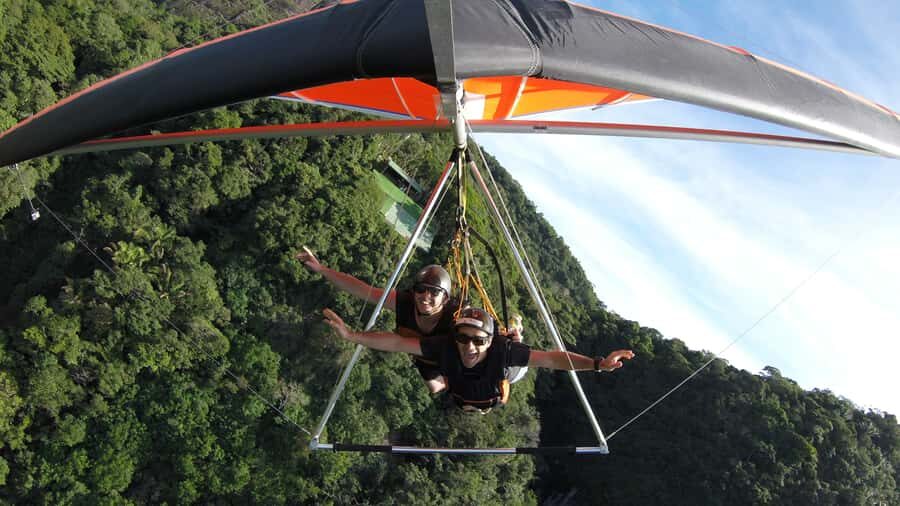
One highlight that surprised me is how sensory the flight can be beyond views. You may hear the sound of tropical birds flying over the tree tops of a tropical forest as you glide.
That bird-sound detail is more than a neat fact. It’s a clue that the experience isn’t pure chaos. The hang gliding phase can feel smooth and tranquil. Even people who describe it as an adrenaline rush also talk about tranquility settling in once they’re airborne and the pilot has control dialed in.
There can be body sensations too. If you’re prone to motion sickness, consider that you might feel it mid-flight. One rider described getting sick during the flight even though they felt safe, and the pilot handled it calmly. So if that’s you, say so up front.
Landing on São Conrado beach and what happens after you touch down
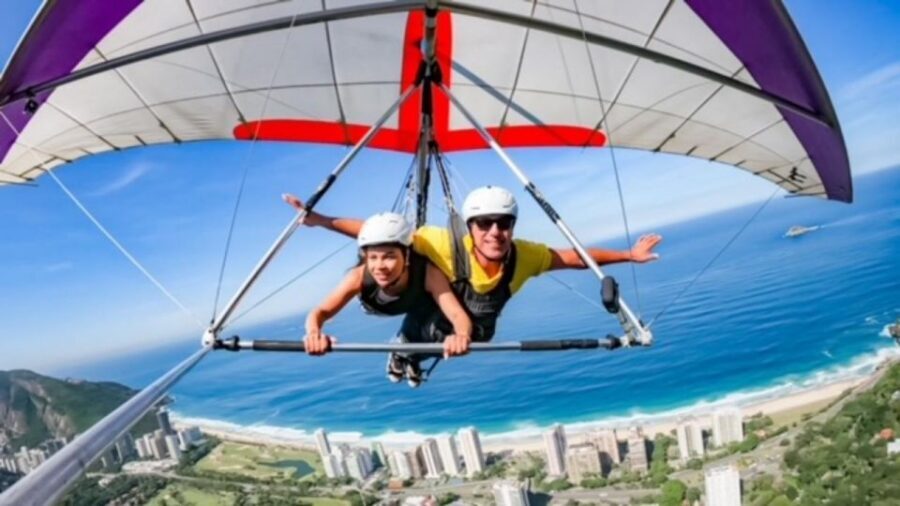
Your landing is part of the magic because it’s on sand. You’ll touch down safely on a sandy beach in São Conrado, then you can take a breath and enjoy the moment while you watch others land.
After landing, there are refreshments. That detail sounds small until you factor in the wait time that can come with outdoor, weather-sensitive flying. When wind shifts or fog clears, you might spend more time on-site than you expected, so having something waiting for you after the flight helps a lot.
You should also know that the group can mean launch timing for each person isn’t always perfectly synchronized. If there are multiple riders, you might not launch at exactly the same moment as your friend or partner. That can turn into waiting at the top or at the beach while the team resets for the next flight.


Video footage: getting a Rio keepsake without juggling your phone
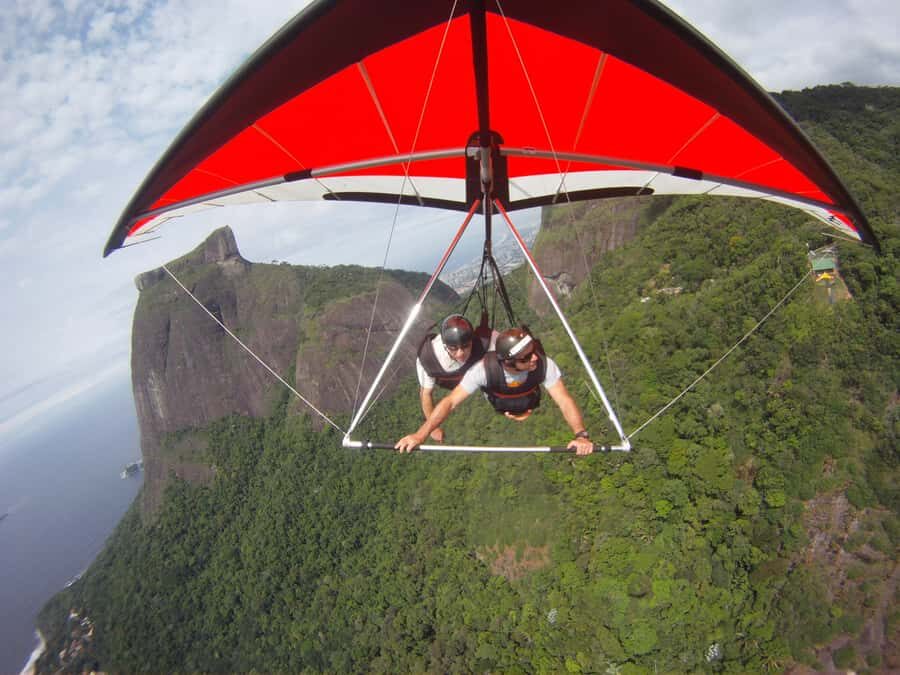
This is one of the most practical reasons to book. The activity records your flight using cameras attached to the glider, so you don’t have to manage a phone while strapped in and flying.
Many people love two things about the footage:
- It captures the entire experience, including your takeoff and glide.
- Options like 360 camera footage can make the video feel far more immersive than a standard angle.
There are also optional add-ons if you want more perspectives. Accounts mention extra camera angles and GoPro-style options, including estimates like:
- Around £27ish per GoPro angle (front and side)
- Around £41ish for the 360 camera
- Some riders mentioned about £82 for extra camera angles
These are optional, so you can choose based on how important it is to share content or relive the flight later.
One extra reassurance: if your phone or personal gear goes missing, the provider may still have the recorded footage and can send it back. That’s a nice safety net for the “I’ll just record everything myself” crowd.
Timing, weather, and why you should give yourself a big window
The flight itself is usually short, but the whole experience includes time spent waiting for the conditions to line up. The scheduled duration is listed as 2 to 3 hours, but real-world timing can be longer when you factor in wind, fog, and setup between riders.
Here’s what commonly affects the timeline:
- Weather conditions (especially wind direction and visibility)
- The need to clear fog or wait for the right launch window
- Resetting the equipment and running the process for each person in sequence
So plan like an adult: set aside a chunk of your day for this. One rider reported a very long day where their flight plan shifted dramatically, with hours of waiting. That doesn’t mean it’s always like that, but it does mean you should arrive early, stay flexible, and bring patience.
Also, bring bug repellent. The launch area is surrounded by jungle, and waiting outdoors can make mosquitoes notice you.
Price and value check: what you pay for, and what can cost extra
The price is $229 per person for the tandem hang gliding adventure, and it includes several core items:
- Tandem hang glider flight with an instructor
- Pre-flight training
- Harness, helmets, and other safety equipment
- All necessary safety equipment
- Hotel pick-up if you choose that option
Now the fine print that affects value:
- Flight insurance and a launch usage fee are not included.
- The launch usage fee is 120 Brazilian Reais cash (about US$20), and paying by card may incur an extra 10% fee, charged by the local hang gliding club.
Then there’s the optional video upgrade reality:
- The base video is recorded, but extra angles (including 360) can cost extra.
So is it worth it? For me, the best value part is that you’re not paying just for a thrill. You’re paying for a guided airtime experience plus safety gear plus recorded footage that you’ll actually want to keep. If video is a priority (and many people treat it that way), that can make the value feel even stronger.
Who should book this in Rio, and who should skip it
This is a great fit if you:
- Want one of Rio’s most memorable views from the sky
- Prefer guided adventure over DIY thrills
- Like the idea of tandem flight with clear instructions
- Enjoy having video to share afterward
It can be a confidence builder, too. Multiple accounts describe people going in nervous and then feeling calm once the pilot explains what to do. Even if you’re not a fearless person, the structure matters.
But it’s not for everyone. It’s not suitable for pregnant women or people with pre-existing medical conditions. Also:
- Minimum age is 14. Minors must be accompanied by a legal guardian and both need photo ID.
- Weight matters. People over 90 kg (about 200 lb) can be directed to paragliding if conditions require it.
- If you’re coming in the wrong footwear, you’ll be turned back at the start. Wear shoes you can run in.
What I’d do before you go
If you want this to feel smooth instead of stressful, here’s my practical checklist:
- Plan to spend extra time on-site; don’t schedule a tight dinner right after.
- Use bug repellent.
- Wear closed-toe shoes and skip sandals.
- Bring patience for wind/fog changes.
- If you can, choose hotel pickup. It reduces one variable when you’re already dealing with weather-driven timing.
- If motion sickness is an issue, mention it before takeoff so your pilot can prepare.
Should you book Rio Hang Gliding from Pedra Bonita?
I’d book it if your top priority is an unforgettable Rio view with a serious safety setup and a video you can actually watch later without scrambling for your phone. The combination of tandem coaching, recognizable landmark views, São Conrado beach landing, and recorded flight footage makes this more than a quick adrenaline hit.
I’d also hesitate only if your schedule is extremely rigid, because weather can shift timing and you may wait. And if you’re in a medical category listed as not suitable, skip it.
If you’re flexible with time, comfortable following footwear and safety rules, and you want the kind of “Rio from above” moment that sticks, this is one of the best ways to get it.
FAQ
How long is the hang gliding experience?
The activity is listed as 2 to 3 hours. The flight itself is typically much shorter, but you should plan for additional on-site time because it depends on wind and weather.
Where do you launch from, and where do you land?
You take off from Pedra Bonita at a height of 525 meters and land on a sandy beach in São Conrado.
Is the flight recorded?
Yes. Cameras attached to the glider record the activity, and you can also purchase additional video angles such as 360 footage.
What extra fees should I expect?
Flight insurance and a launch usage fee are not included. The launch usage fee is 120 Brazilian Reais cash (about US$20), and cards can incur a 10% fee.
Does hotel pickup include transportation?
Hotel pickup is optional. If you choose it, pick-up is usually done at the time you select during booking.
What should I wear?
No sandals or flip-flops, and no bare feet. You’ll need closed, secure footwear that follows the rules for launching.
What are the age requirements?
The minimum age is 14. Minors must be accompanied by a legal guardian and both need photo ID.
Can I go if I’m pregnant or have a medical condition?
No. The activity is not suitable for pregnant women and people with pre-existing medical conditions.
What if I’m over 90 kg?
Weight is a decisive factor. People over 90 kg (about 200 lb) can be directed to paragliding if safety concerns require it based on atmospheric conditions.