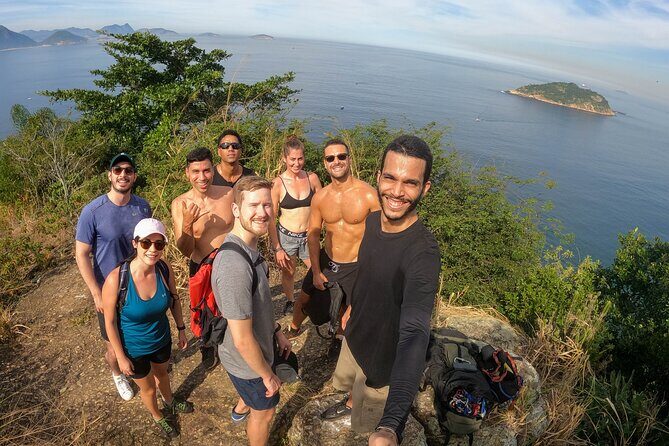
REVIEW · RIO DE JANEIRO
Rio de Janeiro: Favela Tour with Hotel Transfers
Book on GetYourGuide →Operated by Rio Carioca Tours & Service · Bookable on GetYourGuide
The hardest part is just getting there. This Rio favela walk is interesting because it pairs round-trip hotel transfers with a guided route through daily life in either Rocinha or Vidigal. I love the way the tour focuses on how people live and work, not just how the place looks. One real caution: if your pickup details are off, you could end up waiting, and that’s exactly the kind of problem you want to avoid.
You’ll ride with the group, then step into narrow alleyways where your guide explains what you’re seeing and how the community has grown over time. Expect stops that may include local markets and community spaces, plus chances to meet residents when it’s appropriate and comfortable for everyone involved.
Also, plan for walking on uneven ground and slopes. One review noted that the walking distance was not clearly described ahead of time, so I’d rather you over-prepare than show up in shoes that complain.
In This Review
- Key things to know before you go
- How the tour actually plays out: Rocinha or Vidigal, on a 4-hour clock
- Hotel transfers: the real convenience factor in Rio traffic
- Walking the narrow alleys: what you’ll notice once you’re inside
- The socioeconomic angle: why this tour is more than a photo stop
- Meet residents and see community spaces: moments that stick
- Safety and the guide style: what you should expect in practice
- Price and value: is $47 a fair deal for this kind of access?
- What to wear and bring: small items that prevent big annoyances
- Who this tour suits best (and who might want another option)
- Should you book? My take on the decision
- FAQ
- Which favela will I visit on this tour?
- How long is the tour?
- Is hotel pickup included?
- What languages are available for the guide?
- What should I bring?
- Are meals included?
Key things to know before you go

- Rocinha or Vidigal: Which favela you visit depends on the day.
- Hotel pickup is part of the value: Convenience matters in Rio traffic.
- Your guide is the main event: You’re there for stories about daily life and the socioeconomic side of the community.
- You may see local markets and community spaces: The tour route is designed to show more than viewpoints.
- Bring sun and traction: Expect outdoor time on sloped, uneven streets.
- Group pacing can vary: Some routes involve more walking than you might expect.
How the tour actually plays out: Rocinha or Vidigal, on a 4-hour clock
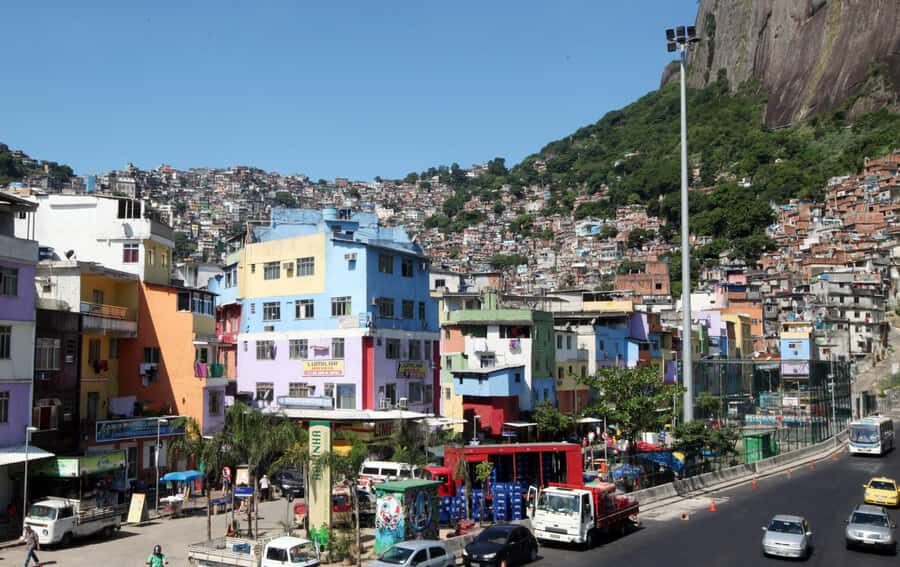
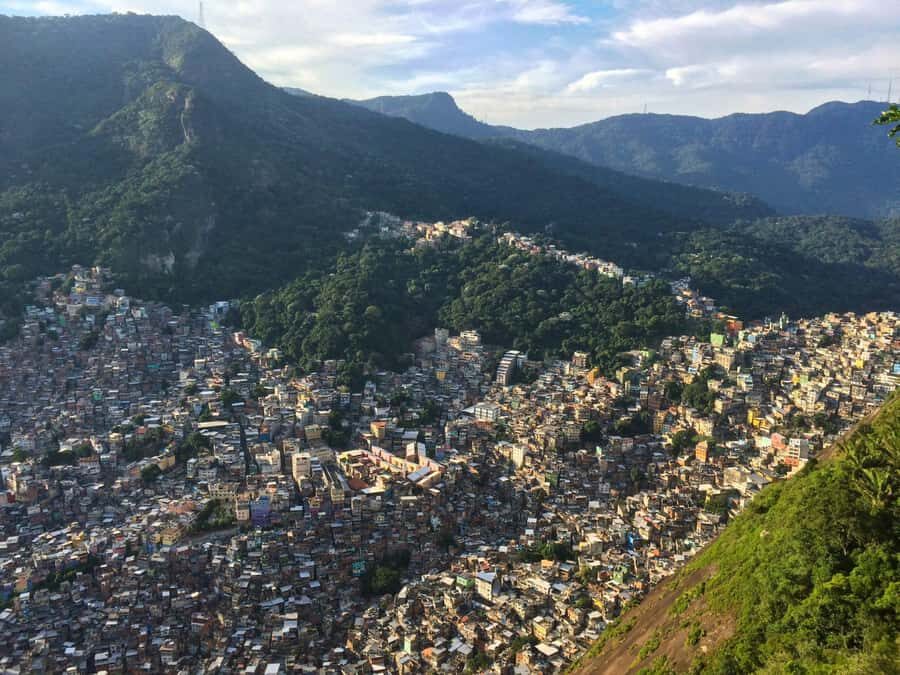
This is a short, focused tour—about 4 hours total—built around one favela neighborhood visit. The day you go determines whether you enter Favela da Rocinha or Favela do Vidigal. Either way, you’re in for a guided walk through tight streets where everything is close: homes, small businesses, community meeting points, and everyday routines.
The timing matters because the tour is not trying to cover everything in Rio. Instead, it gives you one window into how people build lives in a place shaped by geography, opportunity, and ongoing inequality. That makes it easier to process what you see without feeling like you’re being shuffled from stop to stop.
The route is also structured around what a guide can responsibly explain while you walk. The narrow alleys don’t leave much room for a slow, museum-style pace, so your best experience will come from staying alert, asking questions, and keeping your feet ready for uneven ground.
You can also read our reviews of more tours and experiences in Rio De Janeiro.



Hotel transfers: the real convenience factor in Rio traffic
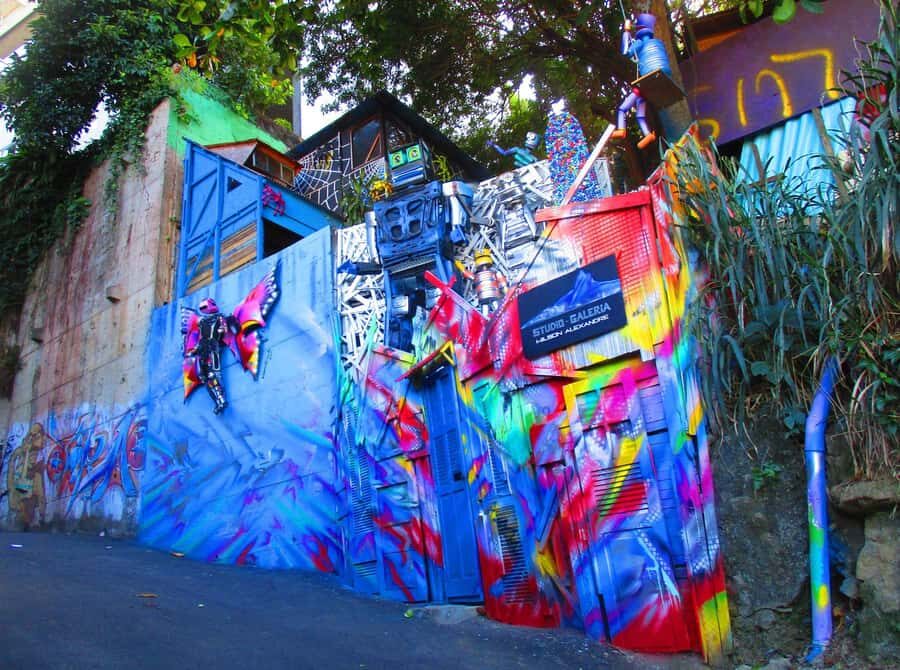
I like that this experience includes transfer in/out from your hotel area. In Rio, travel time can swing wildly with traffic, and that affects how relaxed your day feels. The tour pickup works for many hotels in Leblon, Ipanema, Copacabana, Flamengo, and Centro, plus the cruise port.
If you’re staying farther out, there’s an additional charge for pickup in Barra da Tijuca or Recreio dos Bandeirantes (10 USD or 40 BRL per person). For many people, that fee is still worth it because it keeps you from having to figure out transport on your own right before a guided walk.
Practical note: in high season, tours can run longer because of the city’s traffic and crowds. So don’t schedule anything too tight right after. I’d keep your next plan flexible.
Also, if you end up not being picked up for any reason, you’ll want your own contact plan ready. One past booking issue showed how frustrating it can be when a guide never arrives. You can prevent a lot of stress by confirming your pickup time and being ready at the right spot.
Walking the narrow alleys: what you’ll notice once you’re inside

Once you arrive, the tour shifts into a walking rhythm: narrow alleys, up-and-down streets, and close-up everyday scenes. This is not a drive-by. You’ll be on foot long enough to feel the layout—how movement works, where people gather, and how small businesses and services fit into the neighborhood’s geography.
Your guide’s job is to connect what you see with what it means. You’ll hear stories and context about the community, including its background and the resilience of the people who live there. The point isn’t to turn the streets into a storybook. It’s to help you connect the visible details—homes, local commerce, community spaces—to the larger realities shaping life there.
You may also stop near local markets and community centers. When those moments happen, look for the everyday practicality: who’s working, how people handle supplies, how people communicate and organize. That’s where your understanding starts to go from general to specific.
One more detail to consider: at least one group described a short motor ride up toward the top area as part of their experience. You should treat that as something you might see depending on the route and day, not a guaranteed feature. Either way, it reinforces that this tour is meant to keep you moving efficiently through steep terrain.
The socioeconomic angle: why this tour is more than a photo stop
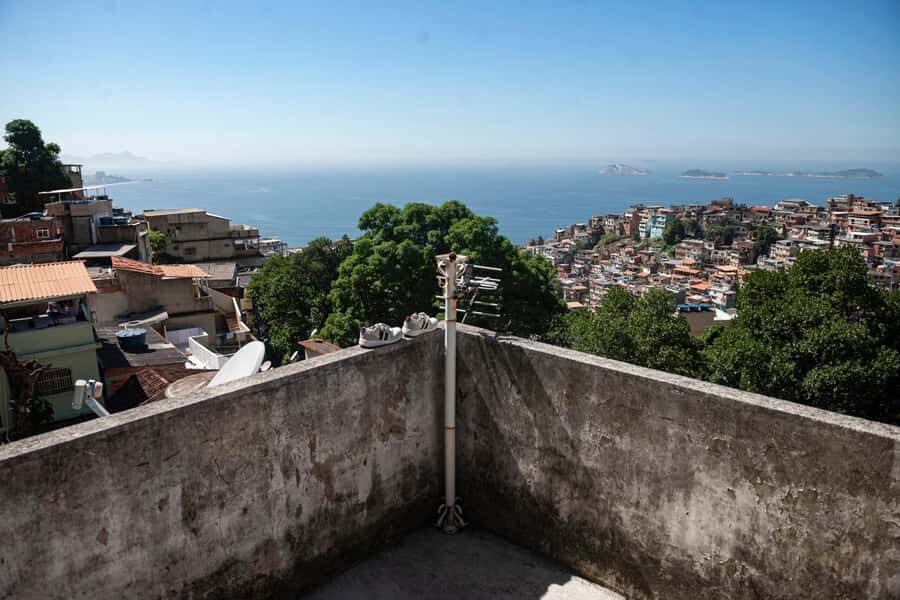
A good favela tour should do one thing well: help you see beyond stereotypes. This one aims to do that by centering the socioeconomic fabric of Rio’s communities. As you walk, your guide explains the challenges and triumphs people face—especially the differences between official support structures and what residents build or maintain themselves.
You’ll get a better grasp of how daily life functions under pressure: access to services, work opportunities, and how community networks fill gaps. You’ll also likely hear about the history of the area and how resilience shows up in everyday routines, not just big events.
Why I think that matters for you: Rio can overwhelm you with scenery and myths. A guided walk with context gives you a grounded mental model. Instead of treating the favela as a single label, you start to understand it as a real neighborhood with residents making real decisions.
That approach also keeps the tour respectful and educational. It’s designed to be more about understanding than spectacle, which is the difference between leaving with useful insight versus leaving with a head full of guesses.
Meet residents and see community spaces: moments that stick
Even on a structured tour, there are often small, human moments that land hardest. The plan is to show you places where community life happens—think community meeting areas and local commerce.
You might even meet residents who call the favela home. If that happens, treat it as a conversation opportunity, not a photo safari. Ask simple questions if your guide invites it, and keep your tone respectful. The tour’s goal is safe, educational access, so your behavior matters as much as your camera.
One review highlighted a guide named Hélio for being highly engaged and creating a feeling of safety while also sharing touching moments and facilitating meaningful encounters. Another review praised the guide for taking a child in the group into account and being mindful of safety. Those details point to the tour working best when the guide sets clear expectations and keeps the group comfortable.
So, if you care about a calm, respectful atmosphere, this is a good sign. You’re not just being walked around; you’re being guided through a social context.






Safety and the guide style: what you should expect in practice
This is an outdoor walking tour, so safety is partly infrastructure and partly behavior. The tour is designed to be respectful and educational, and your guide plays a big role in keeping things smooth.
From what’s been shared, the guides can be attentive about group needs, including families. That matters if you’re traveling with kids or anyone who needs steadier pacing. One booking specifically mentioned that the guide considered an eight-year-old and prioritized safety.
At the same time, you should still prepare yourself for the reality of steep streets and uneven ground. That’s not a “gotcha,” it’s just the geography. Wear shoes that grip and plan your pace. If you get tired, tell your guide early so the group can adjust.
Also, this tour has multiple languages available through the guide: Portuguese, English, French, Spanish, German, and Italian. That’s a big deal because the tour’s value is in the explanations. If you’re not comfortable with Portuguese, you’ll want an English or another supported language session so you don’t miss key context.
Price and value: is $47 a fair deal for this kind of access?
At $47 per person for about four hours with hotel transfers, the value is mostly about access and time saved. In Rio, getting to the right starting point efficiently can eat half a day if you’re relying on ad-hoc transport. Here, the tour handles pickup and return, so you spend your time on the experience itself.
You also get a live guide, which is the other big cost driver. This isn’t a self-guided “walk and figure it out” situation. The guide’s explanations—about daily life and the socioeconomic dimension—are the core product you’re paying for.
Meals are not included, so you’re likely to want a proper plan for before or after. The tour is short enough that you might be fine if you time it between meals, but don’t assume you’ll get snacks.
If you’re the type of traveler who likes context and real street-level understanding, the price feels reasonable. If you’re expecting a long panoramic sightseeing day with minimal walking, you might compare this with other Rio tours and decide the match is different.
What to wear and bring: small items that prevent big annoyances
For a favela walking tour, your comfort matters more than style. Bring comfortable shoes you trust on slopes and uneven pavement. Add a hat and sunscreen because you’ll be outside for several hours in Rio sun.
For clothing, keep it comfortable and weather-ready. If it’s hot, you’ll be grateful you didn’t dress for air-conditioned fantasies. If rain is possible, wear something you can move in.
If you have reduced mobility, the important detail is this: access is subject to availability, so you should notify the provider in advance if you use a wheelchair or need special considerations. That’s not just “nice to know”—it affects whether the route can work for your group.
Who this tour suits best (and who might want another option)

I think this tour fits best if you want a guided, respectful look at how daily life operates in Rio’s favela neighborhoods. It’s a strong choice for:
- Travelers who like understanding context, not just seeing places
- People who prefer a short tour window instead of an all-day schedule
- Those who value the convenience of hotel transfers
It may be less ideal if you:
- Hate walking on uneven ground and slopes
- Want a very long, multi-neighborhood itinerary
- Are uncomfortable with a tour that focuses on socioeconomic realities
One more practical thought: because the walking distance and route details weren’t always described clearly in at least one account, ask ahead about the amount of walking your day will involve. You’ll feel better if you know what you’re signing up for.
Should you book? My take on the decision
Book this tour if you’re looking for real on-the-street context with minimal logistics stress. The included transfers make it easier than most DIY attempts, and the guided explanations are where the value lives. If you’re in Rio for a few days, this is the kind of experience that can change how you interpret what you see afterward.
Skip it or look at alternatives if your schedule is too tight for possible traffic delays, or if you strongly prefer flat, easy walking. And if you’re traveling with mobility needs, confirm your access situation before you go.
If you do book, prepare like a realist: sturdy shoes, sun protection, and a willingness to walk and ask questions. That’s how you get the best version of the tour—safe, respectful, and genuinely informative.
FAQ
Which favela will I visit on this tour?
You’ll be taken to either Favela da Rocinha or Favela do Vidigal, depending on the day.
How long is the tour?
The duration is 4 hours (described as almost 4 hours).
Is hotel pickup included?
Yes. Pickup is included from most hotels in Leblon, Ipanema, Copacabana, Flamengo, and Centro or at the cruise port. Pickup in Barra da Tijuca/Recreio dos Bandeirantes has an extra charge.
What languages are available for the guide?
The live guide can work in Portuguese, English, French, Spanish, German, and Italian.
What should I bring?
Bring comfortable shoes, a hat, sunscreen, and comfortable clothes.
Are meals included?
No. Meals and beverages are not included.