REVIEW · RIO DE JANEIRO
Rio de Janeiro: Botanical Garden Guided Visit
Book on GetYourGuide →Operated by Gray Line Brazil · Bookable on GetYourGuide
Rio’s Botanical Garden feels like a slow breath. You’ll get a guided route through Brazil’s plant diversity plus little wildlife moments at the edge of Corcovado. Two highlights I really like for practical travelers are the Avenue of Royal Palms and the quiet pause of the Japanese Garden. One thing to keep in mind: it’s a walking visit, so expect sun and some uneven garden paths.
The tour starts with round-trip transfers from many hotels in São Conrado, Leblon, Ipanema, and Copacabana, then brings you into a 140-hectare park founded in 1808 by King João VI. You also get the fun stuff beyond scenery: historic monuments like an old gunpowder factory and the Fountain of the Muses. A possible drawback is timing—your exact departure time is only confirmed after reconfirmation—so don’t plan anything tight right after.
If you want a Rio experience that mixes nature, history, and calmer corners, this is a strong pick for your afternoon. I also like that the guide language options are broad (English, Spanish, Portuguese, German, French), which makes it easier to ask questions instead of just following.
In This Review
- Key things to know before you go
- From Zone Sul to the Botanical Garden by Corcovado’s Feet
- What Makes This Guided Walk Different: Flora, Fauna, and Real Monuments
- How the Route Starts: Fountain of the Muses and the Garden’s Main Atmosphere
- Avenue of Royal Palms: The Straight-Line “Wow” Moment
- Lago Frei Leandro and the Victoria Water Lilies
- An Old Gunpowder Factory Inside a Garden Setting
- Japanese Garden Serenity: A Calm Corner in a Busy City
- Wildlife You Might Spot Without Chasing It
- Price and Value for an Afternoon of Nature, History, and Transfers
- What to Wear and Bring for Rio’s Garden Heat
- Who This Tour Fits Best (and Who Might Want Another Option)
- Should You Book Rio’s Botanical Garden Guided Visit?
- FAQ
- How long is the Rio de Janeiro Botanical Garden guided visit?
- What does the $83 price include?
- Are food and drinks included?
- Where does the tour pickup happen?
- What sights will we see?
- What animals might I see in the garden?
- What languages are the guides available in?
- Is the tour wheelchair accessible?
- What should I wear or bring?
Key things to know before you go
- Corcovado-adjacent location: You start in Zone Sul at the foot of Corcovado, so the garden feels connected to Rio’s big sights without the crowds.
- Royal Palms Avenue: One of the garden’s easiest “wow” moments, especially in the morning light.
- Lago Frei Leandro water lilies: Look for the Victoria water lilies around the pond area.
- Historic stop at the old gunpowder factory: You’re not only walking through plants; you’re also seeing a leftover piece of industrial history.
- Japanese Garden calm: A dedicated serene area that gives your brain a break from city pace.
- Wildlife you may spot: Capuchin monkeys, tufted-eared marmosets, and birds are part of the garden’s rhythm.
From Zone Sul to the Botanical Garden by Corcovado’s Feet
This tour is built for convenience. You’ll get picked up from most hotels in São Conrado, Leblon, Ipanema, and Copacabana, with round-trip transfer included. That matters in Rio, where getting from neighborhood to neighborhood can eat up time and energy if you’re working out routes on your own.
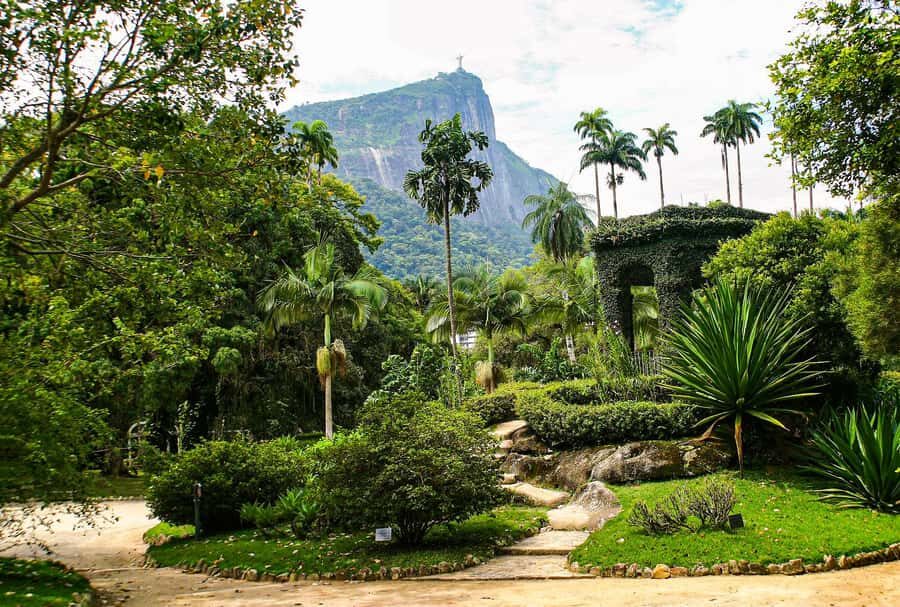
Once you arrive, you’re in the “Zone Sul” area at the foot of Corcovado Mountain. Even if you never look up to the summit, you’ll feel the setting: the garden sits above a city that’s constantly moving. It’s a nice contrast—less tour-bus chaos, more slow walking.
The visit is scheduled for about 4 hours, which is a good length for a garden. Long enough to cover the key areas, but short enough that you won’t feel like you’re spending your whole day in one place. If you’re also doing Christ the Redeemer or other top sights, this can be a calming counterbalance.
You can also read our reviews of more guided tours in Rio De Janeiro



What Makes This Guided Walk Different: Flora, Fauna, and Real Monuments
Rio de Janeiro’s Botanical Garden isn’t just pretty plants in tidy rows. It’s a 140-hectare park with more than 6,000 species of tropical and subtropical plants and trees, including 900 varieties of palms. When a guide explains what you’re seeing, it turns into something you can actually remember—not just photos.
I like that the tour blends three elements:
- Plants you can point at (palms, water lilies, and other garden highlights)
- Animals you might spot (capuchin monkeys, tufted-eared marmosets, and birds)
- Built landmarks with historic meaning
That combination makes the walk feel less repetitive. You’re not only scanning for flowers; you’re also learning how the garden is organized and why specific areas matter.
There’s also an institutional side to the experience. The garden is home to a research institute that supports botanical studies in Brazil. You don’t need to be a plant nerd to enjoy that context—you’ll just feel that this place is cared for and studied, not just decorated.
How the Route Starts: Fountain of the Muses and the Garden’s Main Atmosphere
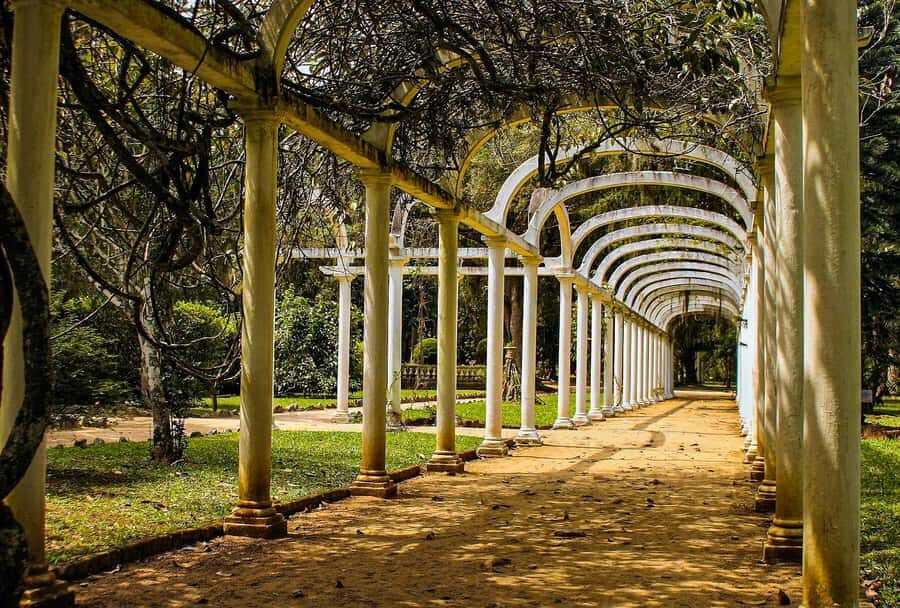
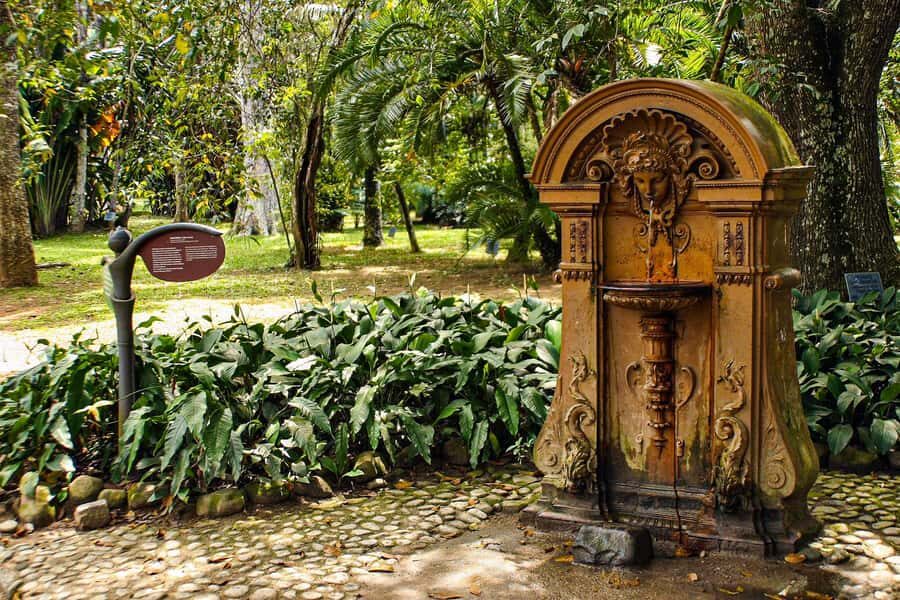
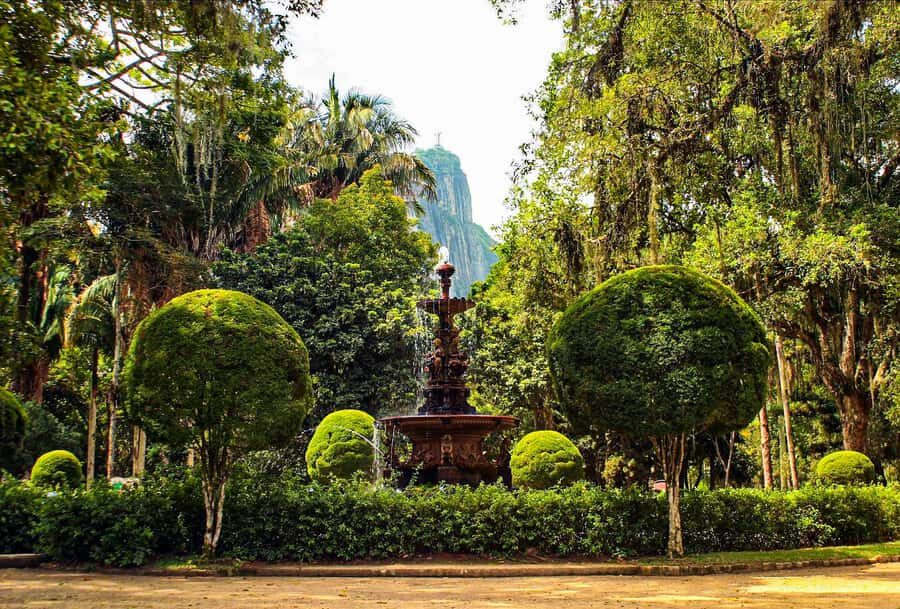
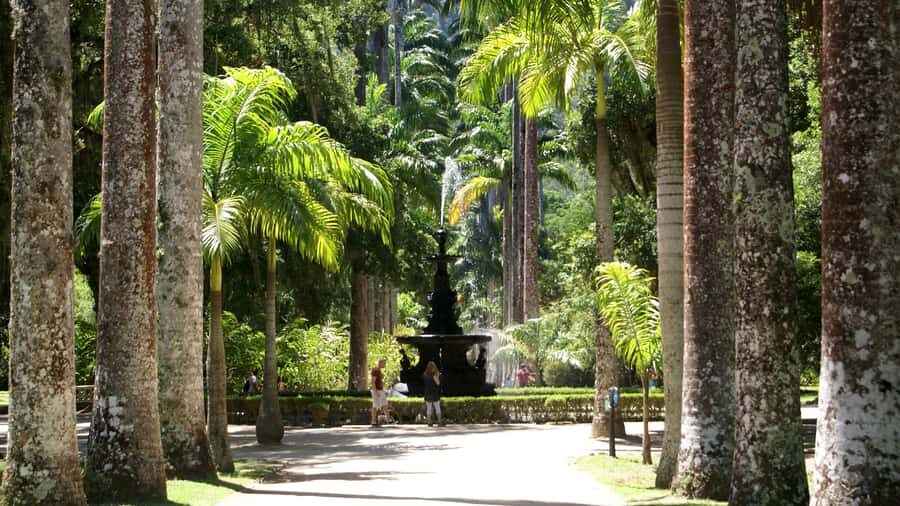
The tour’s early monuments help set expectations. One of the standout works on the route is the Fountain of the Muses. Even if fountains aren’t your thing, it’s useful as a “meet the garden” moment: it gives you a visual anchor, and it signals that this place has artistic and historic layers, not just trails.
From there, you’ll move through areas where the garden’s structure becomes obvious. That’s where having a professional guide helps. Without someone to connect the dots, it’s easy to wander and miss the significance of certain spaces.
If you’re the type who likes to photograph in a way that matches the setting, this first part sets you up well. It’s a calmer pace than the city’s headline attractions, which means you can actually stop, look, and reset.
Avenue of Royal Palms: The Straight-Line “Wow” Moment
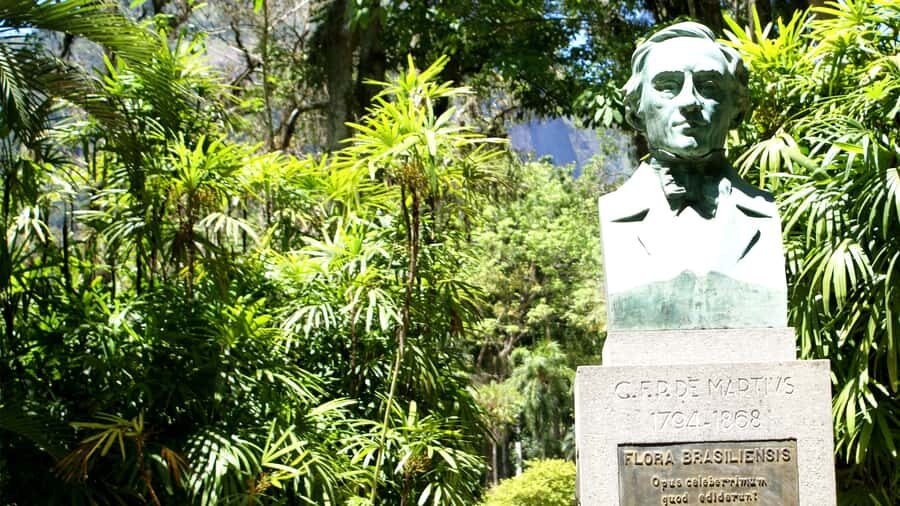
If you only remember one plant area, I’d put my money on the Avenue of Royal Palms. The garden includes 900 palm varieties, and the avenue concept turns that diversity into an easy-to-follow visual corridor.
Here’s why this stop works for most visitors: you don’t need to understand botany to enjoy it. The effect is immediate—tall forms, repeating patterns, and a sense of scale that makes the garden feel larger than it looks on the map.
Practical tip: aim to pause and frame a few shots from different angles. Palms create strong vertical lines, which can make your photos look “designed” even if you’re just holding your camera casually.
Lago Frei Leandro and the Victoria Water Lilies
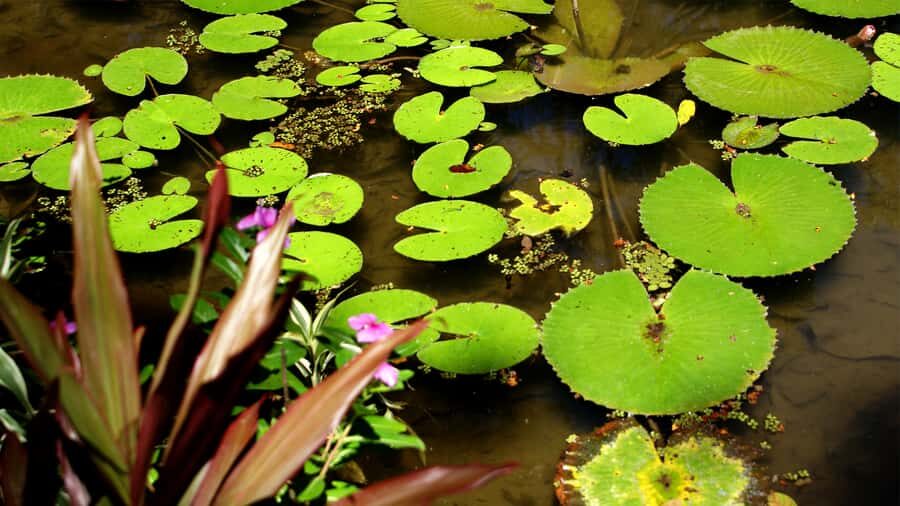
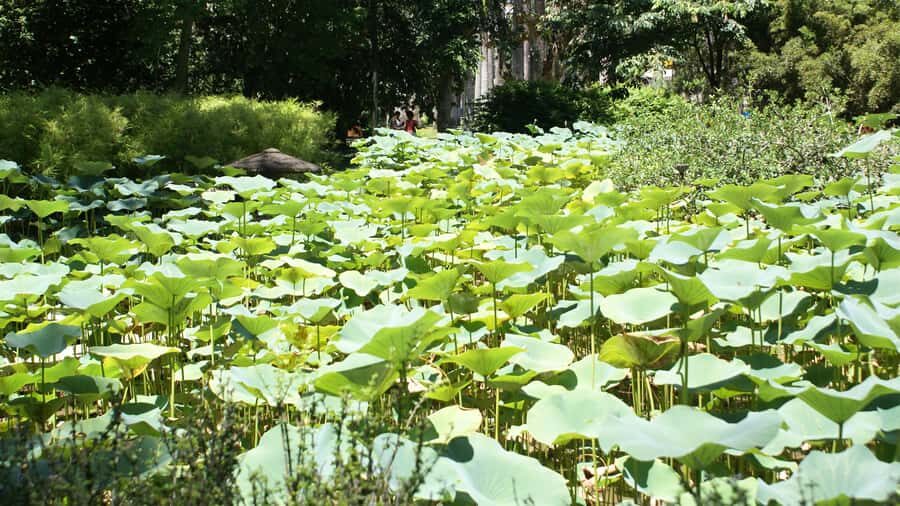
One of the more distinctive natural highlights is Lago Frei Leandro, where you can see Victoria water lilies. These are the kind of plants that make you slow down, because they don’t fit the usual idea of a flower you can spot quickly.
In a guided setting, the guide can point out what matters—where to look and how to interpret the pond environment—so you don’t miss the lilies while you’re moving through.
This is also a good moment to break from walking. If you’re feeling warm (and Rio can be hot), the pond area gives you a more restful pace. It’s one of those stops that helps the tour feel varied, not just a long stroll.






An Old Gunpowder Factory Inside a Garden Setting
The tour includes a stop at an old gunpowder factory. That might sound random at first, but it’s exactly the sort of detail that makes a guided botanical experience more interesting than a self-guided nature loop.
Historically, it helps explain that this garden has been shaped over time—not just by plant collectors, but by changing uses and eras. Standing near a historic structure in the middle of a living park also changes your perspective: you start noticing how the garden preserves both living and built heritage.
If you enjoy “small museum moments” while sightseeing, you’ll probably appreciate this stop. It’s not a full museum visit, but it gives you a tangible sense of past Rio beyond neighborhoods and beaches.
Japanese Garden Serenity: A Calm Corner in a Busy City
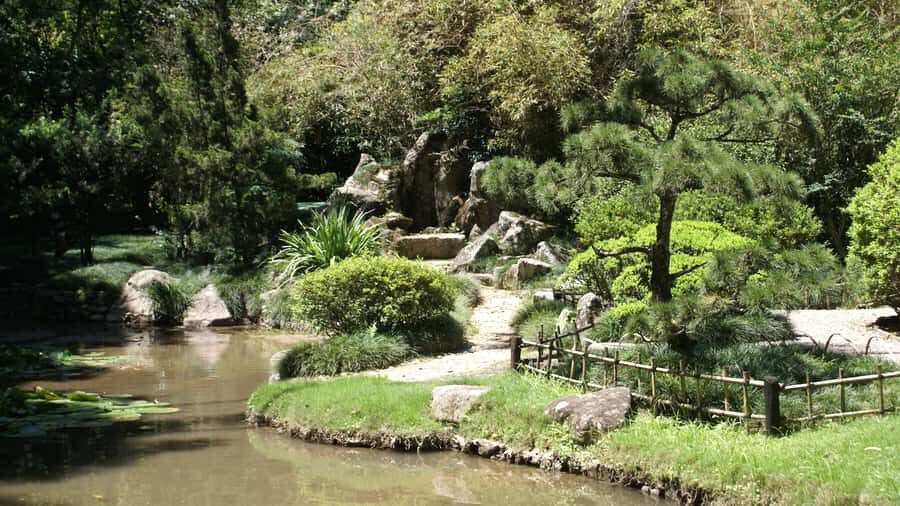
Toward the latter part of the visit, you’ll experience the Japanese Garden, described as a serene area. This is one of the best places to slow down and let your senses catch up.
Why it matters for you: a quiet garden segment is a reset button. After walking past monuments and scanning for birds or small animals, you can stand, look, and simply be where you are. It’s a change of pace that makes the overall 4 hours feel balanced instead of rushed.
If you’re traveling with someone who likes nature but also wants a break from constant activity, this stop can be the one they remember most.
Wildlife You Might Spot Without Chasing It
The garden is known for animal life that has become accustomed to humans. Keep an eye out for capuchin monkeys, tufted-eared marmosets, and over 140 species of birds.
You’ll likely do best if you treat wildlife as a bonus, not a demand. Even with a guide, you can’t force animals to appear on schedule. But the good news is that the garden’s ecosystem is active, and your guide will know where to look and how to read the environment.
Practical approach: pause when something catches your guide’s attention. If you try to keep walking while people stop, you’ll miss the best chances to see movement up close—without needing to go off-trail.
Price and Value for an Afternoon of Nature, History, and Transfers
At $83 per person for about 4 hours, this isn’t a bargain “just tickets” experience. What you’re paying for is the combination of:
- Professional guide
- Entrance ticket
- Round-trip transfers from a cluster of popular neighborhoods
That combo can add real value if you’d otherwise spend time figuring out transport, or if you want someone to connect the garden’s sights into a coherent route.
Food and drinks are not included, so budget for water (at minimum) and plan a light snack strategy if you need it. For me, the lack of included meals is fine on a 4-hour visit. You just don’t want to arrive hungry, especially with sun and walking involved.
What to Wear and Bring for Rio’s Garden Heat
This is a practical outdoor walk, so come prepared. The tour suggests light clothes, plus sunscreen and sunglasses. I’d add one more traveler-friendly thought: bring water if you can, since drinks aren’t included.
Wear comfortable shoes. Garden paths aren’t always flat, and you’ll appreciate traction and support once you’re moving between areas like the pond and the more scenic routes.
If you’re sensitive to sun, try to take shade breaks when your guide stops for explanations. It keeps the experience enjoyable instead of a test of endurance.
Who This Tour Fits Best (and Who Might Want Another Option)
This is a great match if you want a Rio outing that’s:
- More calm than the city center
- Focused on plants, birds, and garden monuments
- Easy to manage thanks to hotel pickup and entry included
- Guided in multiple languages (English, Spanish, Portuguese, German, French)
You might consider a different option if you’re looking for something more fast-paced, like a full-day city highlights tour. This is about slow observation and learning, not ticking off a long list of neighborhoods.
Also, because the exact departure time is confirmed after reconfirmation, it suits travelers who can stay flexible. If your schedule is extremely tight, you’ll need to coordinate before you commit.
Should You Book Rio’s Botanical Garden Guided Visit?
I’d book this if you want a high-quality nature-and-history outing that doesn’t require planning logistics. The biggest reasons are the hotel transfers, the guided explanations, and the way the garden mixes major botanical sites with memorable built features like the old gunpowder factory and the Fountain of the Muses.
If your ideal Rio day includes one or two “wow” garden stops—palms lined up like a corridor, water lilies on a pond, and a quiet Japanese Garden—this tour fits well. Just treat wildlife sightings as possible, not guaranteed, and come ready for sun with light layers.
FAQ
How long is the Rio de Janeiro Botanical Garden guided visit?
It lasts about 4 hours.
What does the $83 price include?
You get round-trip transfers from most hotels in São Conrado, Leblon, Ipanema, and Copacabana, a professional guide, and entrance to the Botanical Garden.
Are food and drinks included?
No. Food and drinks are not included.
Where does the tour pickup happen?
Pickup is included from most hotels in São Conrado, Ipanema, Leblon, and Copacabana. If your hotel isn’t listed, you’ll be told the closest pickup location and time.
What sights will we see?
The tour includes highlights like the Fountain of the Muses, the Avenue of Royal Palms, Lago Frei Leandro with Victoria water lilies, an old gunpowder factory, and the Japanese Garden.
What animals might I see in the garden?
You can look for capuchin monkeys, tufted-eared marmosets, and over 140 species of birds.
What languages are the guides available in?
Guides are listed in Spanish, English, Portuguese, German, and French.
Is the tour wheelchair accessible?
Yes, it’s listed as wheelchair accessible.
What should I wear or bring?
Wear light clothes, and bring sunscreen and sunglasses. It’s an outdoor walking experience.
If you want, tell me what neighborhood you’re staying in and what else you’re doing that day, and I’ll suggest the best way to pair this with Rio’s bigger sights.