
REVIEW · RIO DE JANEIRO
Rio: African Culture Walking Tour
Book on GetYourGuide →Operated by Tour by Foot · Bookable on GetYourGuide
A good Rio day has more than beaches. This tour links black resistance in Rio’s past to today’s Afro-Brazilian samba culture, with a small group and a real stop at Cidade do Samba. I love that you get guide-led context instead of just street viewing, and I also like the hands-on feeling of stepping into the samba-school world at the end. One thing to keep in mind: the samba-warehouse portion feels a bit more staged than the street walking, so it won’t satisfy everyone who wants only raw neighborhood authenticity.
In practice, this is a focused 3-hour walk with smart pacing. The best part is how the guide handles big themes—slavery, abolition, and cultural survival—without making it heavy or vague. If you’re expecting a food tour or a full-day history marathon, you may find the length tight.
Key takeaways before you go
- Little Africa + Pedra do Sal: walk where Afro-Brazilian identity is part of the city’s backbone
- A guide who makes connections: you’ll hear clear links between history, oppression, and culture
- City of Samba entrance included: you get access tied to Carnaval’s real machinery
- Behind-the-scenes feel: you see samba-school parade origins and how preparations work
- Small-group comfort: up to 15 keeps questions in the mix and the pace reasonable
In This Review
- Why this Rio walk goes beyond beaches
- Little Africa and Pedra do Sal: the streets with a message
- How the tour frames black resistance and abolition
- Sliding into samba culture at the City of Samba
- Pacing and group size: why small matters
- Price and value for $100 in 3 hours
- Who this tour suits best (and who should skip it)
- A few practical tips so you get more from the walk
- Should you book this Rio: African Culture Walking Tour?
- FAQ
- How long is the Rio African Culture Walking Tour?
- What does the tour include?
- What’s the price?
- Are food and drinks included?
- What languages are the tours offered in?
- Is the tour wheelchair accessible?
- What size group is this?
Why this Rio walk goes beyond beaches
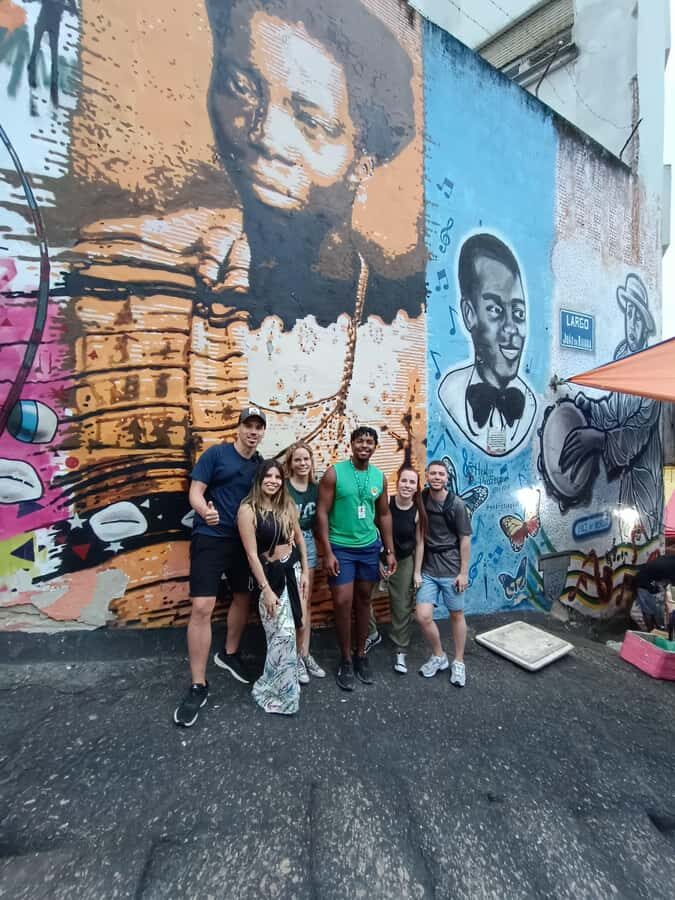
Rio can feel like two cities at once: the postcard Rio you picture first, and the Rio with deep roots under the sidewalks. This experience leans hard into that second side. You’re not just watching history happen from a distance—you’re learning how Afro-Brazilian communities shaped music, identity, and resistance over time.
What I like most is the way the tour holds two ideas together. You’ll move through neighborhoods tied to black resistance and abolition-era struggles, then finish at the Cidade do Samba, where you can see where samba-school parade culture comes from. It’s a clean arc: past to present, and scholarship to spectacle.
The tour also works well for people who want meaning without a long slog. It’s only 3 hours, and the walking is kept manageable enough that the experience feels like a guided visit, not an endurance event.
Little Africa and Pedra do Sal: the streets with a message
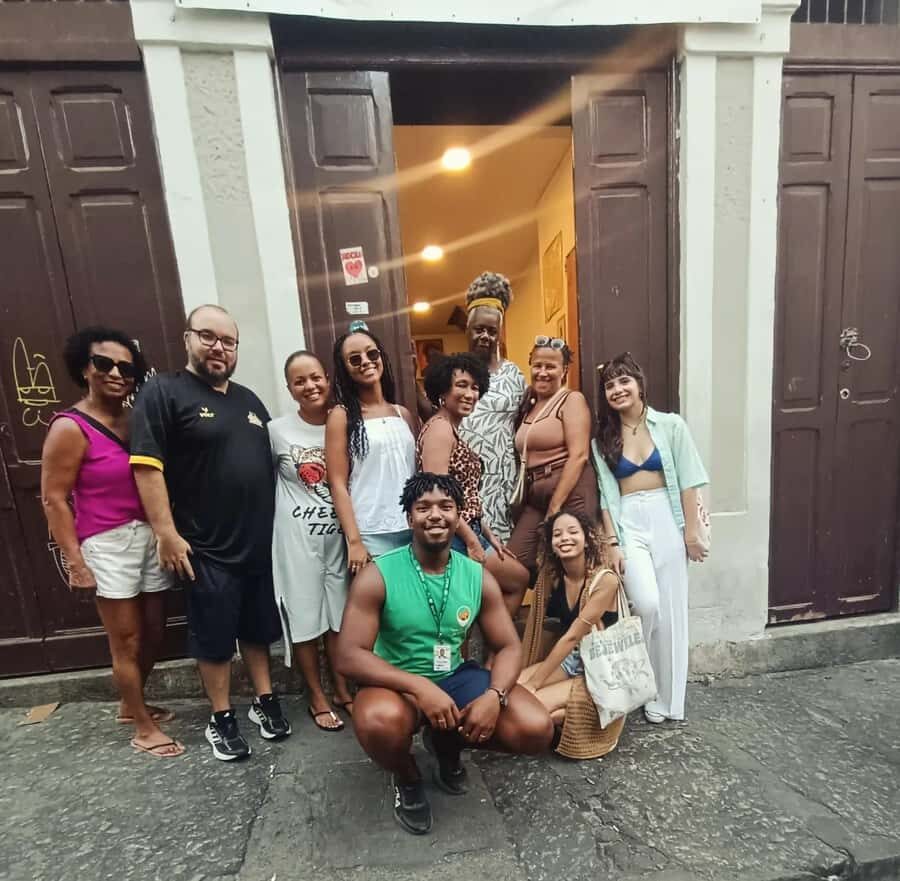
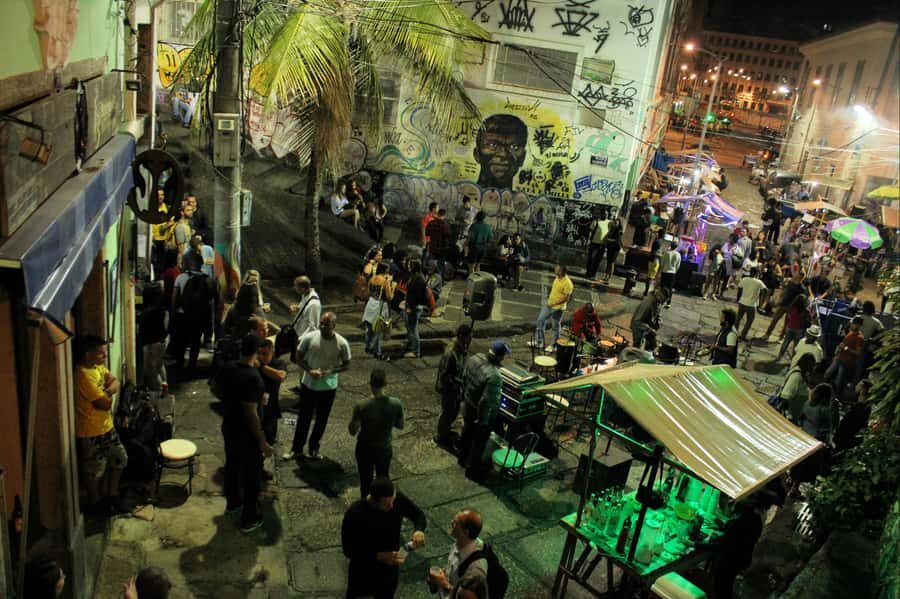
The walk starts in the Little Africa area and includes the Pedra do Sal region—two places you’ll hear about when people talk about black cultural presence in Rio. Here’s the practical value: these aren’t just scenic stops. They’re points on a timeline, and your guide connects what you see on the street to what shaped the city.
You’ll get an overview of local history tied to black resistance, and that matters because Rio’s story is often told through music and carnival alone. This route reminds you that the samba story sits on top of real struggles: people fought for survival, for rights, and for freedom. The guide’s explanations are meant to help you understand Afro-Brazilian culture and traditions as living outcomes, not museum artifacts.
From a “how to enjoy it” angle, I’d treat these stops like a guided reading lesson. Look at the street life around you, then listen for the historical threads the guide pulls. If you’re the type who likes asking questions, this part gives you plenty of openings—one review notes the guide was open to discussion and didn’t dodge deeper questions.
You can also read our reviews of more walking tours in Rio De Janeiro



How the tour frames black resistance and abolition
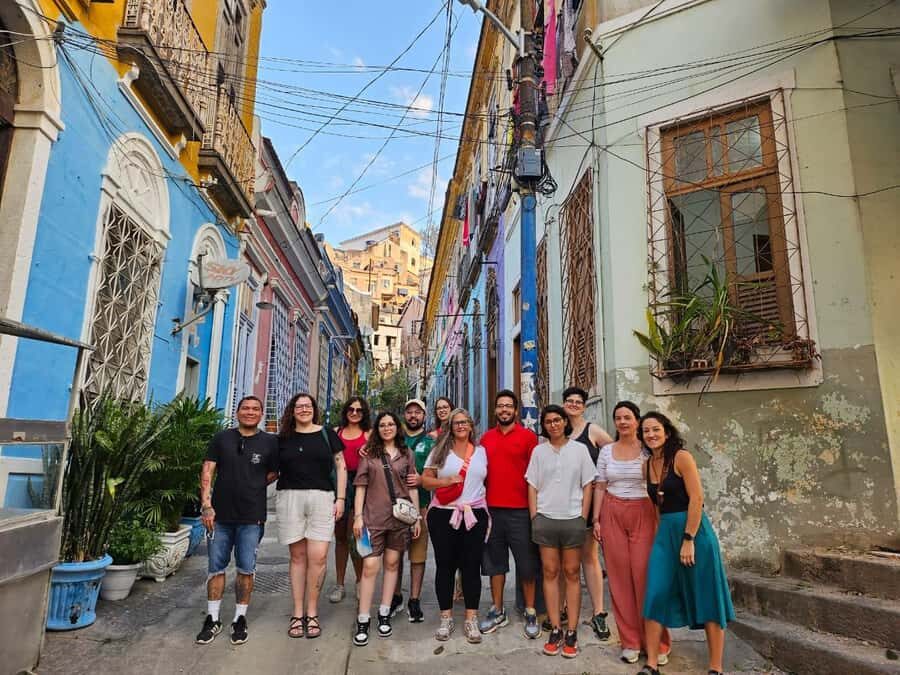
This experience isn’t focused on dates alone. It centers on the struggle for abolition of slavery in Brazil and how black resistance shaped social life and culture in Rio. That’s a big theme, but the tour is built to keep it understandable.
A couple of helpful insights from guide-style described in reviews:
- The guide explains the topic in a clear, didactic way (so you’re not left guessing what you’re looking at).
- You may be invited to compare systems of racial oppression across countries. One review even highlights the parallels with the United States, alongside key differences—useful if you like cultural context rather than just local facts.
This is where the tour earns its “African culture” label. You’re not asked to treat African heritage like a vague inspiration. Instead, you learn about how Afro-Brazilian culture developed through hardship and resilience, and how the present-day city still carries those outcomes.
One consideration: because the topic includes slavery and abolition, it’s not a carefree walk. You don’t need to be an expert, but you should be ready to absorb real history with respect.
Sliding into samba culture at the City of Samba
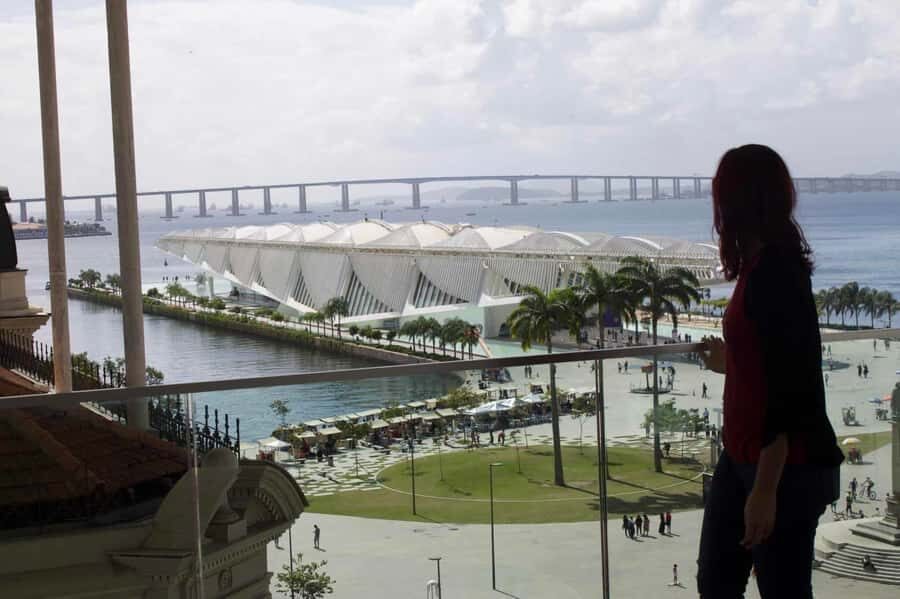
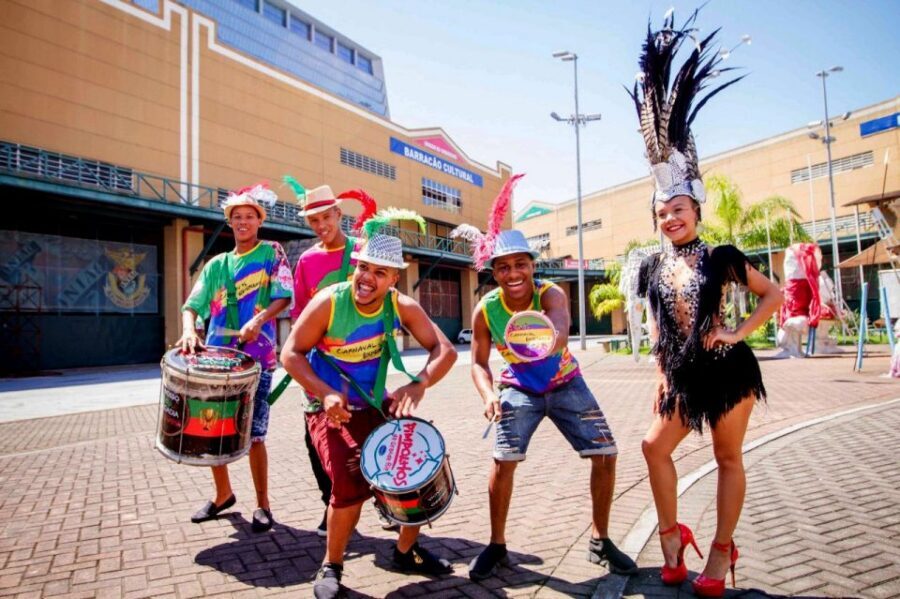
The tour ends at the City of Samba, and this is the part that changes the pace. On the street you’re reading Rio’s past. At Cidade do Samba you shift to how Carnaval becomes real: the origins of samba school parade traditions, plus a look behind the curtain.
Here’s what you should look for during this portion:
- Origins of samba school parades: you’ll learn how today’s parade culture connects to its roots
- Behind-the-scenes access: you get a peek into where the magic is built, not just performed
- Entrance included: this isn’t a drive-by stop; you’re paying for the access as part of the experience
One review calls out that the samba-school warehouse visit is amazing to have access to. Another review notes it has a bit less authenticity than the rest of the tour—so if your priority is purely neighborhood-based realism, you might feel the final part is slightly more structured.
That said, it’s also a fair trade. The value here is access. If you’ve ever wondered what happens before the floats, costumes, and synchronized moments hit the streets, this is the kind of place that answers the question.
Pacing and group size: why small matters
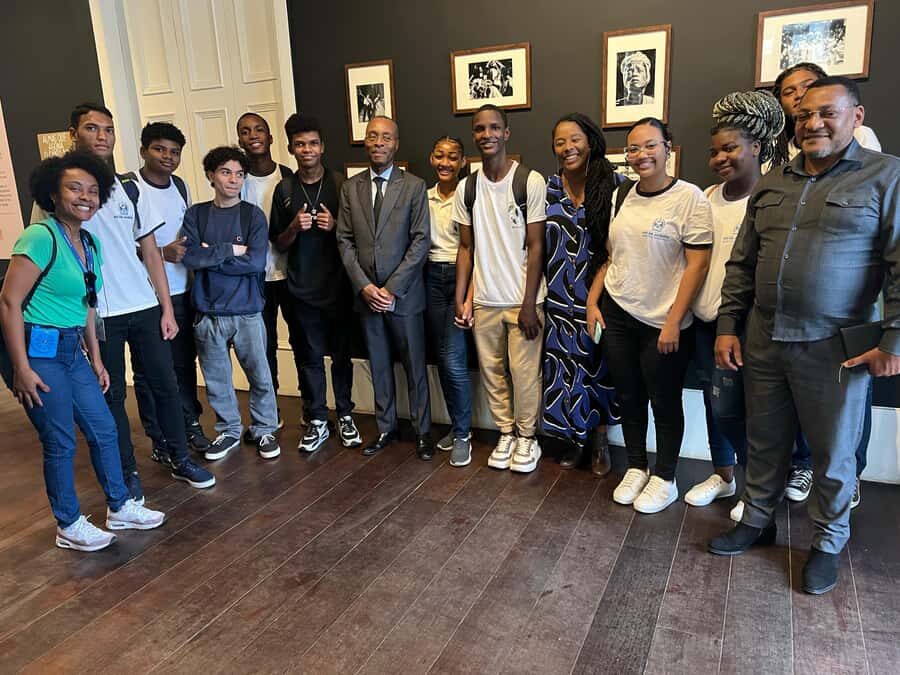
A lot of Rio tours feel crowded fast. This one is designed to avoid that problem with a small-group setup (maximum 15), and it’s also described as a private group. For you, that usually means two things:
- You can hear your guide well enough to follow the story without constant translation strain.
- You can ask follow-up questions without being rushed into the next corner.
In one review, the guide is described as flexible and helpful with recommendations once the tour was done. Another review mentions the guide helped arrange an extra stop (a graffiti add-on) and coordinated with an Uber back to the hotel. Those aren’t guaranteed extras, but they point to a guide who is paying attention to what you actually need to make the day work.
Also, the tour is English, Spanish, and Portuguese. If you’re traveling in a mixed language group, this matters because it reduces the “everyone listens, nobody truly hears” feeling.
Price and value for $100 in 3 hours
At $100 per person for 3 hours, you might wonder if this is “just a walking tour.” Here’s the honest value equation: you’re paying for both the street-guided cultural education and the paid entrance/behind-the-scenes component at Cidade do Samba.
Many tours hit history only. Others hit Carnaval only. This one links the two. The inclusion of the City of Samba entrance and the behind-the-scenes visit means you’re not only paying for narration—you’re paying for access.
And since you’re not paying extra for food (it’s not included), you can keep your budget tidy by eating elsewhere on your schedule. If you like setting your own food plan, that’s a win. If you want everything packaged, you’ll need to add a meal.
Bottom line: the price feels fair if you care about context. If you mostly want scenic walking or samba shows with zero history, you’ll probably feel the cost more.






Who this tour suits best (and who should skip it)
This is a great match if you want Rio with depth, but still crave a short, well-paced plan.
You’ll likely love it if you:
- Want to understand Afro-Brazilian culture with real historical context
- Like tours where you can ask questions and talk back
- Prefer small groups that don’t turn into a moving crowd
- Plan to do Carnaval-related activities and want to see the process behind it
You might not love it if you:
- Expect an all-day program or a food-focused route
- Only want light, entertainment-first sightseeing
- Are strongly sensitive to topics tied to slavery and abolition (because it’s part of the core narrative)
A few practical tips so you get more from the walk
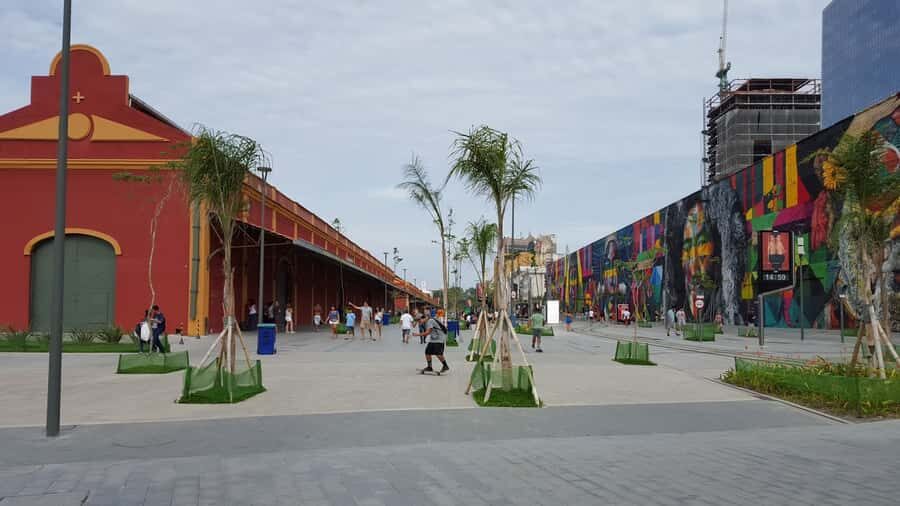
Keep these in mind so the experience lands the way it’s meant to.
Wear comfortable shoes. Even with reasonable pacing, it’s still a walking tour. Bring a bottle of water if you know you run thirsty; the tour doesn’t include food and drinks.
If you’re the type who likes taking notes, bring your phone’s notes app and jot key names or themes as you go. The tour’s strength is the connections the guide makes, and those are easier to remember when you capture a few keywords.
Finally, treat the City of Samba stop as the end of the story, not the whole story. The warehouse access is impressive, but the street section is where the meaning is anchored.
Should you book this Rio: African Culture Walking Tour?

I’d book it if you want Rio that connects culture to history, not just a best-of photo loop. The mix of Little Africa/Pedra do Sal walking and the Cidade do Samba access gives you two perspectives in one compact afternoon: how resistance shaped identity, and how samba-school traditions take form before Carnaval hits the streets.
Skip it only if you’re purely looking for beaches, views, or a light entertainment-only outing. This tour is built for learning with respect and context.
If you’re trying to decide, ask yourself a simple question: do you want your Rio experience to explain why samba matters, not just show you samba? If yes, this is a strong pick for your itinerary.
FAQ

How long is the Rio African Culture Walking Tour?
It lasts 3 hours.
What does the tour include?
You get a walking tour in the Little Africa and Pedra do Sal regions, a behind-the-scenes visit at the City of Samba, and entrance to the City of Samba. All taxes, fees, and handling charges are included.
What’s the price?
The price is $100 per person.
Are food and drinks included?
No. Food and drinks are not included.
What languages are the tours offered in?
The live tour guide speaks English, Spanish, and Portuguese.
Is the tour wheelchair accessible?
Yes, it’s listed as wheelchair accessible.
What size group is this?
It’s described as a small-group tour with a maximum of 15, and it’s also listed as a private group.