REVIEW · RIO DE JANEIRO
Pedra da Gávea Trail with Guide
Book on Viator →Operated by Botas na Trilha Ecotur · Bookable on Viator
Pedra da Gávea is not your average trail. This guide-led hike takes you into Tijuca National Park’s Atlantic forest and tackles a steep route with real obstacles like roots, rocks, and chain sections. What I like most is the focus on hands-on technique, plus the way you pass major named viewpoints on the way up.
Two strong wins here: I like that the guides are properly trained (including first aid and jungle rescue), and you’ll get professional support right when the trail gets technical. One drawback to plan for is the intensity: this is a difficult outing with a steep incline, limited room for mistakes, and weather that can change the schedule.
In This Review
- Key Things to Know Before You Go
- Why Pedra da Gávea Feels Different From a Normal Hike
- Getting There: The 7:30 AM Start in Itanhangá
- The Trail Profile: Steep Inclines, Roots, Rocks, and Chains
- Stop at Pedra da Gávea: The Named Viewpoints Along the Way
- Carrasqueira Explained: Why Rappelling Isn’t Just a Stunt
- Guides, Training, and Real Safety on a Technical Route
- What to Bring (and What to Plan for) for an 8-Hour Technical Day
- Price and Value: Why $78.41 Can Make Sense Here
- Weather Rules: When Plans Change on Tijuca’s Cliffs
- Should You Book Pedra da Gávea With a Guide?
- FAQ
- Where is the meeting point for the Pedra da Gávea trail?
- What time does the tour start?
- How long is the tour?
- Is this tour private?
- How difficult is Pedra da Gávea?
- What equipment might be used during the hike?
- What viewpoints or landmarks will you see?
- Are the guides trained for safety and rescue?
- What kind of fitness level do I need?
- What happens if weather is bad?
- How soon will I receive confirmation, and can I cancel?
Key Things to Know Before You Go

- Technical climbing and rappelling: you’ll use gear like ropes, helmets, and a seated harness as the route requires it.
- Carrasqueira is the route: the return and/or progression uses climbing and rappelling technique through the Carrasqueira section.
- Atlantic forest focus: you’re not just chasing a summit; you’re moving through native flora and fauna areas.
- Trained, registered guides: guides are registered with the Ministry of Tourism and carry relevant training for rescue and first aid.
- Photo-friendly timing: the team may adjust timing when conditions improve for views and pictures.
- Weather can reroute plans: the itinerary may change or be postponed if conditions are unsafe.
Why Pedra da Gávea Feels Different From a Normal Hike
Pedra da Gávea is famous for one big reason: getting there takes work. This is a small slice of Tijuca National Park, so yes, you’ll see native plant life and get some animal-sighting opportunities if you’re lucky. But the main story is the movement—steep sections, natural obstacles, and parts where you’ll use equipment and fixed chains.
What makes this experience especially interesting is the mix of trail hiking and climbing skills. The route isn’t just a ladder of rocks; you’re using your hands on uneven ground, then switching to technique with gear when the slope demands it. If you like a tour that feels like real activity (not just walking and posing), this hits that sweet spot.
You can also read our reviews of more guided tours in Rio de Janeiro



Getting There: The 7:30 AM Start in Itanhangá
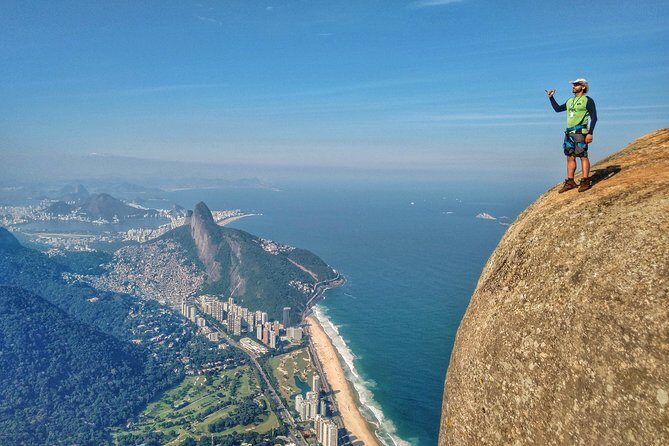
The meeting point is Estr. Sorimã, 932 in Itanhangá, Rio de Janeiro, and the tour starts at 7:30 am. Plan for an early start—you’ll be glad you did when the day’s light and weather cooperate. The meeting spot is near public transportation, which helps if you’re not renting a car.
Because this is a private tour, it’s designed around your group. That matters on a technical route: your guide can adjust pacing and coaching without waiting for a big crowd to line up. It also means you should show up on time. On a steep, equipment-based hike, delays ripple fast.
Duration is listed as about 8 hours. Real talk: that timing depends on the conditions on the day and how the route feels underfoot. If it’s wet, you may move more carefully (slower can also mean safer).
The Trail Profile: Steep Inclines, Roots, Rocks, and Chains
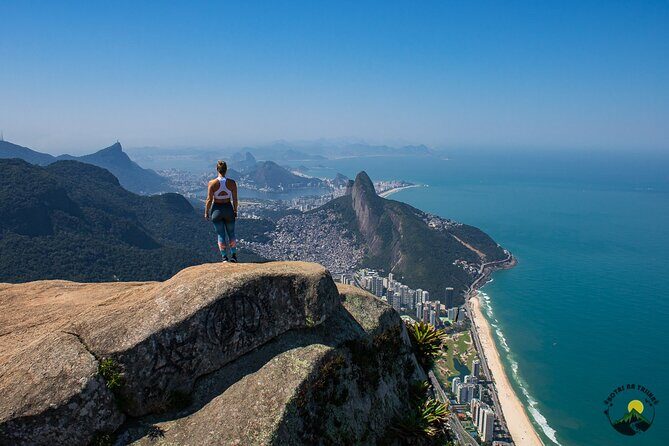
This trail earns its difficulty rating. You’ll deal with roots and rocks that force you to climb over uneven ground, sometimes using your hands for balance. There are also sections where you’ll need climbing equipment such as ropes, brake systems, seats, and helmets. Some parts include fixed chains already in place for support.
This isn’t the place for casual sneakers and hope. You should come with a strong physical base and a comfort level for height exposure. Even if you’ve climbed before, expect the trail to feel different—because the terrain is irregular, and your footing changes every few steps.
Here’s the trade-off: you get a more memorable experience than a typical lookout walk. But you also need to respect safety pacing. On a technical climb, the goal isn’t speed. The goal is control—especially when you’re transitioning between walking/hands-on sections and gear-based climbing or rappelling.
Stop at Pedra da Gávea: The Named Viewpoints Along the Way
You’ll be spending your day at Pedra da Gávea with a route that moves through several named points of interest. Even if the trail doesn’t feel like a sightseeing loop, these names matter because they often line up with major shifts in the route—where the view opens, where the rock formations change, and where the technical sections start making sense.
As you progress, you’ll pass points like the Gávea Plateau and Cabeça do Imperador. You’ll also see formations referenced as the Stone of Radius and the Pyramid. Along the way, the route includes areas called Cadeira and Carrasqueira—and Carrasqueira is the key technical segment where climbing and rappelling technique comes into play.
Other named sections you’ll encounter include Paredão and the Stone of the Ship. These are the sorts of rocky landmarks that turn a tough hike into a story you can retell later: not just I walked up a mountain, but I moved through identifiable rock features while staying safe with the right technique.
One helpful detail from how the hike is run: guides sometimes adjust timing to match the weather and sky. That can matter because views can look dramatically better once clouds shift.
Carrasqueira Explained: Why Rappelling Isn’t Just a Stunt
Carrasqueira is the segment that most people think about first, because it’s the part tied to rappelling and climbing technique. The good news is that you’re not thrown into it without support. The guides are trained for the activity and focus on confidence at the most complicated moments—exactly where beginners tend to tense up.
I like how the experience treats this as a skills moment, not a panic moment. When you have real coaching, rappelling becomes controlled movement: you’re using the gear correctly, learning body positioning, and understanding where to look and how to place yourself. That helps even if you personally feel uneasy about heights.
The Carrasqueira part also makes the hike feel like a complete journey rather than a one-way scramble. When the route requires technique, it forces you to slow down and think. And that’s good. It turns a difficult trail into something you can actually manage.





Guides, Training, and Real Safety on a Technical Route
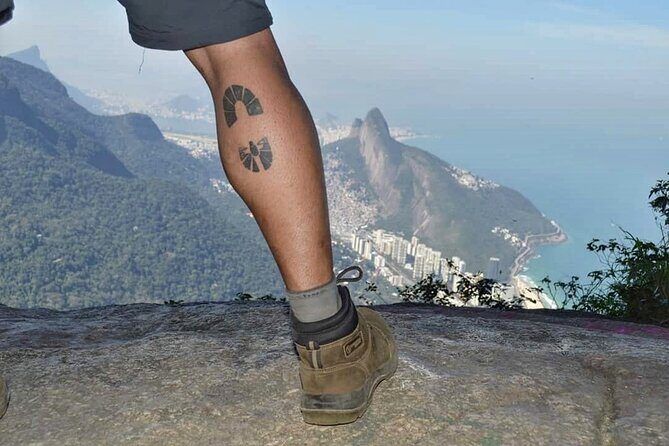
Safety isn’t treated like a checklist here. The guides are registered with the Ministry of Tourism and have climbing courses. They also have first aid training and rescue training specifically for jungle environments (RAS).
That combination is meaningful. Climbing skills matter for movement on ropes and technical ground. First aid matters because you’re active all day in remote terrain. Rescue training matters because the terrain is not an easy urban setting where help can arrive instantly.
In practice, it shows up as clear instructions and a calm approach. Guides are willing to explain what you’ll do before the hard parts, and they’re focused on leaving you at ease and safe. English communication is supported as well—Jessie was described as fluent in English, and the guidance style from Daniel also came through as clear and confidence-building.
What to Bring (and What to Plan for) for an 8-Hour Technical Day
The tour doesn’t sound forgiving if you’re underprepared. The basics you should plan around are:
- Sturdy footwear/boots: at minimum, wear proper trail boots with grip.
- Plenty of water: bring enough for an intense day and keep sipping.
- Comfort with hands-on climbing: expect to use your hands on rocks and roots.
- Weather readiness: conditions affect safety, so be ready for itinerary changes if needed.
You should also mentally prepare for long stretches where you’re working your way up and around obstacles before you reach the more scenic moments. The best way to enjoy it is to pace early. If you rush, you’ll burn energy fast and make the technical parts harder.
And if you’re tempted to wear anything slippery or thin-soled, don’t. This trail mixes rock, roots, and gear-based sections. The right traction helps you stay calm when the ground gets tricky.
Price and Value: Why $78.41 Can Make Sense Here
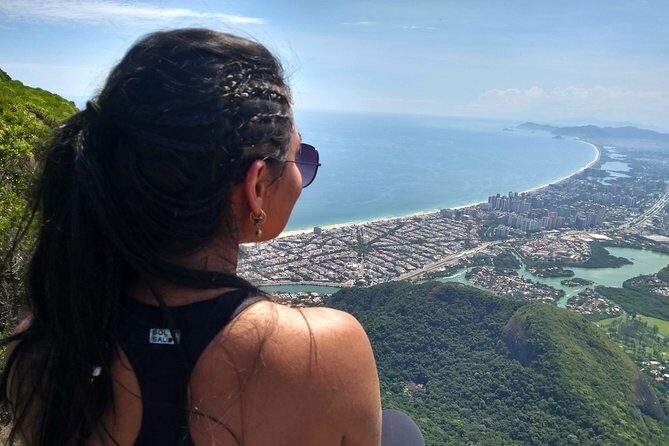
At $78.41 per person for an approximately 8-hour private experience, the value depends on what you want from Rio. If you want a gentle hike, this isn’t it. If you want a guided technical outing with proper training, then the price starts to feel reasonable.
Here’s what you’re paying for:
- A difficult route with real obstacles and fixed-support sections.
- Professional guides with climbing education plus first aid and jungle rescue training.
- Technical movement that uses gear like ropes, helmets, and seated harness systems.
- A private format, meaning attention stays on your group.
You also get the benefit of expert timing and guidance—especially when conditions are borderline. One moment stood out in the way the guides handled sky conditions: the group waited for the weather to clear so they could take pictures, which signals an attention to both safety and view quality.
If you’re budget-minded, compare this against the cost of hiring an untrained guide or taking a random group hike that doesn’t match the technical needs. For this specific trail, having the right kind of coaching is the value.
Weather Rules: When Plans Change on Tijuca’s Cliffs
The description is upfront that the itinerary may be changed, postponed, or canceled due to weather conditions. That’s important because wet rock changes friction, and a steep route gets riskier fast.
If the day looks questionable, treat it as normal logistics—not a personal inconvenience. The provider requires good weather, so you should be flexible about dates and mental expectations. If weather cancels the outing, you’ll typically have options like rescheduling or getting a full refund, depending on timing.
Should You Book Pedra da Gávea With a Guide?
Book it if you:
- Want a serious, hands-on outdoor day with coaching, not just a walk.
- Are comfortable with technical terrain and can handle a steep incline.
- Prefer a private format where your guide can manage your pace and confidence.
Skip or reconsider if you:
- Are sedentary or don’t have strong fitness.
- Don’t want to deal with roots, rocks, and chain-supported sections.
- Fear the idea of rappelling or height exposure and don’t feel ready for the gear-based coaching.
If you’re somewhere in the middle—fit enough, but nervous about the technical parts—this is exactly where a trained guide can make a big difference. The whole setup is built around safety, clear instruction, and confidence at the tricky moments.
FAQ
Where is the meeting point for the Pedra da Gávea trail?
You meet at Estr. Sorimã, 932 – Itanhangá, Rio de Janeiro – RJ, 22611-030, Brazil.
What time does the tour start?
The start time is 7:30 am.
How long is the tour?
The duration is listed as about 8 hours.
Is this tour private?
Yes. It’s a private tour/activity, and only your group participates.
How difficult is Pedra da Gávea?
It’s described as a difficult trail due to steep inclination and natural obstacles like roots and rocks. You’ll also use climbing and rappelling technique in sections.
What equipment might be used during the hike?
You’ll use climbing equipment in parts of the route, including ropes, brakes, seats, and helmets. Some sections include chains fixed in place.
What viewpoints or landmarks will you see?
You’ll visit points of interest such as the Gávea Plateau, Cabeça do Imperador, Stone of Radius, Pyramid, Cadeira, Carrasqueira, Paredão, and Stone of the Ship.
Are the guides trained for safety and rescue?
Guides are registered with the Ministry of Tourism and have climbing courses, first aid, and rescue training in a jungle environment (RAS), among other training related to the activity.
What kind of fitness level do I need?
You should have a strong physical fitness level. It’s not recommended for sedentary people.
What happens if weather is bad?
The itinerary may be changed, postponed, or canceled due to weather conditions. If it’s canceled due to poor weather, you’ll be offered a different date or a full refund.
How soon will I receive confirmation, and can I cancel?
Confirmation is received within 48 hours of booking, subject to availability. Free cancellation is allowed up to 24 hours in advance for a full refund.