REVIEW · RIO DE JANEIRO
Little Africa – Walking tour from the passed to the future
Book on GetYourGuide →Operated by Viajecom Io Turismo Viagem e Intercâmbio · Bookable on GetYourGuide
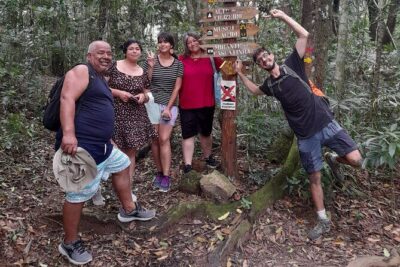
Rio has a second story, walking. The Little Africa tour takes you through alleys and leftover sites tied to African arrival in Rio, with stops that connect past, present, and the future. It’s a tour that often lands right in your emotions, not just your photos.
I especially liked how the guides turn history into a lived scene. When guides like Larissa and Gabriela explain what these places meant, you get the feeling of standing in the flow of real lives, not just memorizing dates. The second win for me is the way the tour centers black heritage through what you see on the ground—market spaces, stores and houses, and even graveyard remnants—then ties it to art and culture.
One consideration: language quality can vary. Some guides do great in English (and you’ll likely feel that fast), but there’s also been a report of English being hard to follow. Also, be aware that one museum stop may come with an extra entry fee.
In This Review
- Key highlights you should know
- Where Little Africa Fits in Rio’s Real Map (Downtown on Foot)
- The Alleys and Remnants That Explain Little Africa
- Guides Who Bring the Story to Life (And the Language You Need)
- Black Heritage, Art, Culture, and the Future Angle
- Price and Logistics That Affect Your Real Budget
- What’s Included, What’s Not, and How to Prepare
- How the Tour Feels: A Respectful, Listening-Heavy Walk
- Should You Book Little Africa?
- FAQ
- How long is the Little Africa walking tour?
- Where does the tour meet?
- What languages are available for the tour guide?
- Is food or transportation included in the price?
- Do children get a discount?
- What is the cancellation policy?
Key highlights you should know
- A 3-hour walking route in downtown Rio that keeps moving and stays focused
- Little Africa context: you learn how African arrivals shaped Rio’s early life
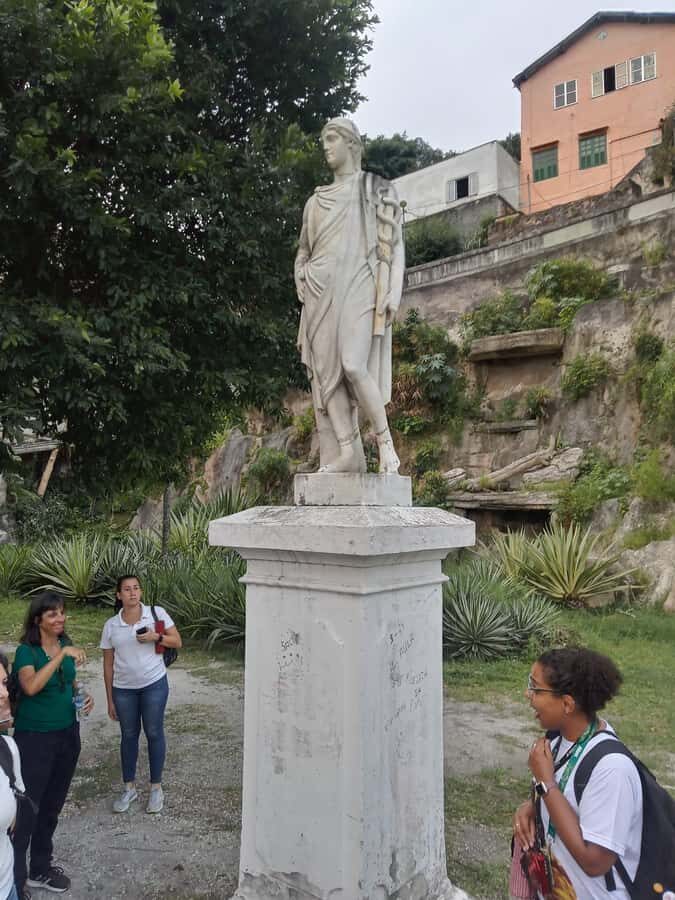
- Historical remnants you can actually see in alleys, including graveyard-linked areas
- Art and culture plus a future angle, not only slavery-era details
- Guide strength matters: some tours land better than others depending on English clarity
Where Little Africa Fits in Rio’s Real Map (Downtown on Foot)

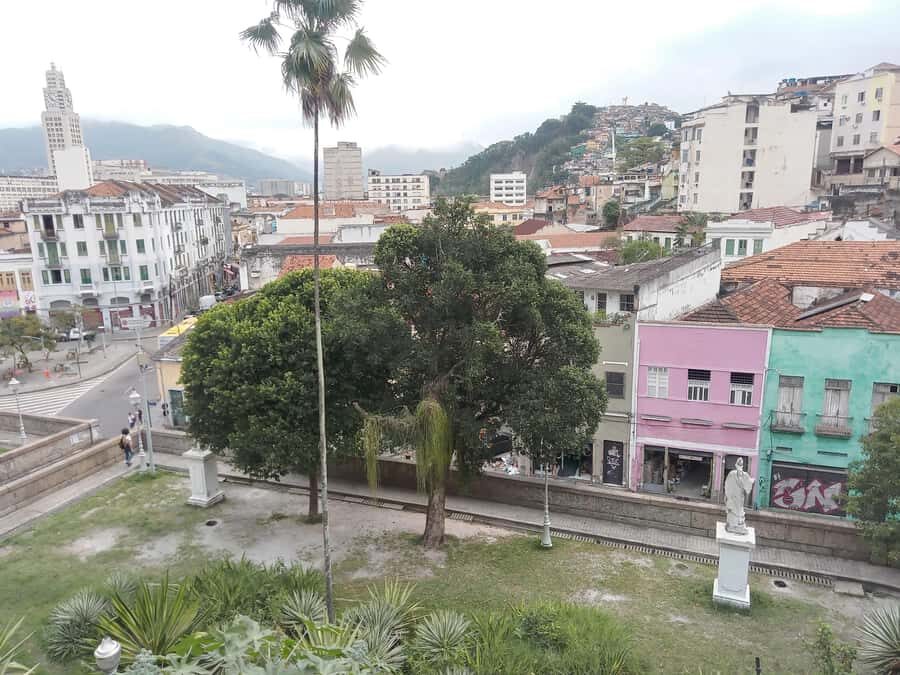
This tour starts in downtown Rio de Janeiro, and that matters more than you might think. Downtown is where you can still feel the layers of the city: new streets built over older stories. Walking here helps the history make sense because you’re not hopping between distant viewpoints. You’re seeing how the past sits inside the urban fabric.
The whole experience is built around a 3-hour walking format. That’s a sweet spot. Long enough for the guide to set context and for you to absorb what you’re looking at. Short enough that you can still keep the rest of your day in your own hands afterward.
Also, it’s a tour that doesn’t treat history like a museum label. You’re asked to watch your step, listen closely, and respect the places tied to suffering and survival. Many people get emotional, and that’s not a weird side effect—it’s the point of the design. If you prefer your tourism to stay light and shallow, this one might feel heavy.
You can also read our reviews of more walking tours in Rio De Janeiro



The Alleys and Remnants That Explain Little Africa
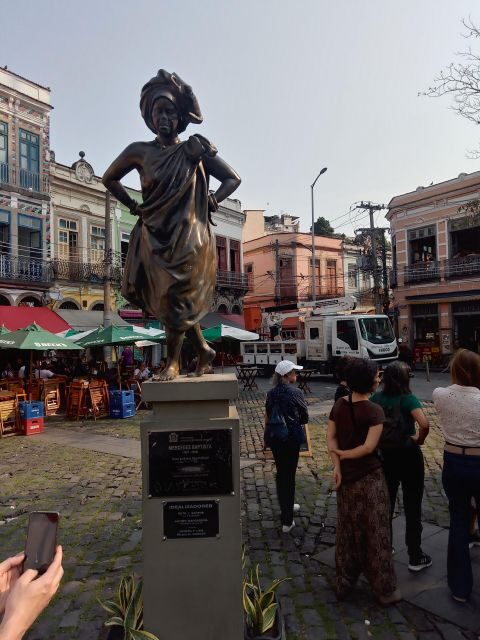
The core of the tour is Little Africa, described as an important entrance zone in Rio for men, women, and children arriving from the African continent. Instead of giving you one monument, it gives you a map of meaning across an area that used to hold an open slave market, along with shops, homes, and graveyards.
You’ll walk through alleys and historical areas where the guide’s remarks help you connect dots. Even when you can’t see dramatic ruins, you’re learning how these spaces functioned. The guide’s job is to point out what the place meant—where people likely traded, waited, stored belongings, and where families were buried.
That matters because African heritage in Brazil didn’t just show up as a cultural footnote. It shaped social life, language, religion, family networks, music, and neighborhood identity. This tour helps you understand that reality by putting you near the physical footprint of those beginnings.
One of the things I appreciate about this kind of walking tour is that it trains your attention. You stop scrolling. You start looking. You notice how people move through the city now, and you can’t help comparing that with how arrivals would have moved through the same kind of streets back then.
Guides Who Bring the Story to Life (And the Language You Need)
The quality of the guide is the biggest variable here, and the reviews give you useful clues.
Several guides were praised for passion and delivery. Larissa stood out for having a deep love of history and for storytelling that makes you feel present. Gabriela got strong marks for knowledge and a personable style, and Luana was called informative, with kindness and thoughtfulness that helped the tour land well.
On the flip side, there is at least one caution for English speakers. One review said Danielo knew a lot, but wasn’t able to articulate clearly in English, and the group struggled to understand him. The same review suggested the tour would be much better in Portuguese.
So here’s the practical advice: if you’re booking in English and you’re sensitive to heavy accents or fast explanations, you should double-check that a good-fit language guide is available for your day. If you speak Portuguese or Spanish, you may enjoy it more with less friction.
Either way, go in prepared for a guided talk where you’ll need to listen. This is not a “read signs at your pace” stroll. You’re trading your usual independent walking rhythm for someone’s ability to explain context.
Black Heritage, Art, Culture, and the Future Angle
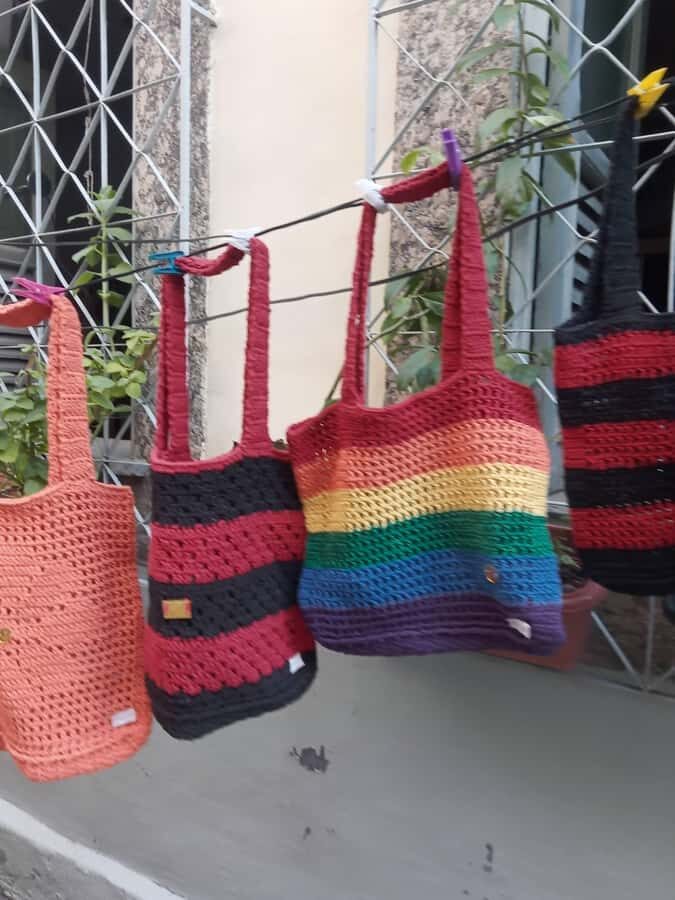
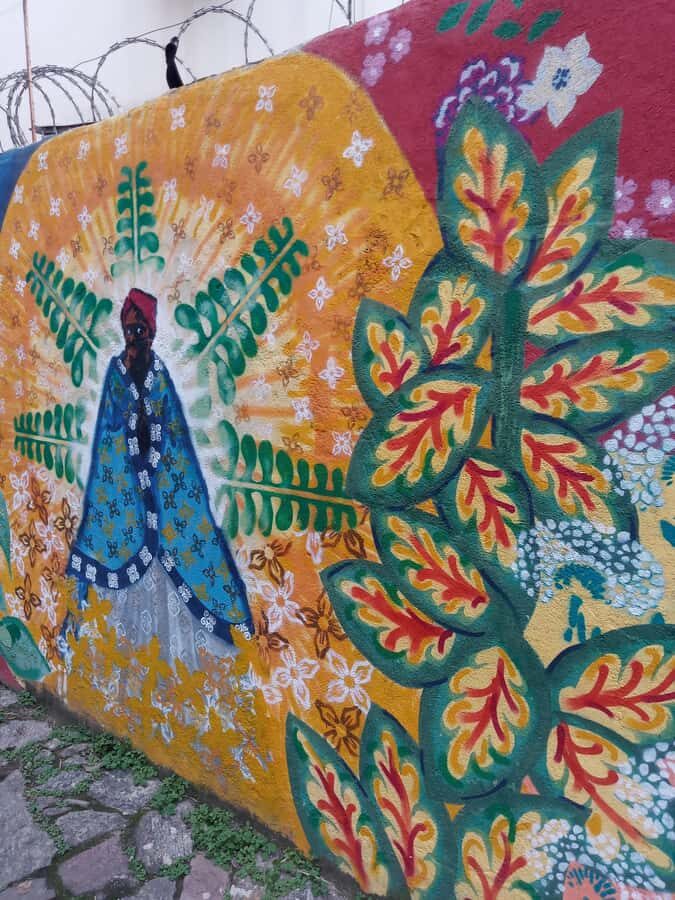
The tour highlights black history and heritage, but it doesn’t end with the past. It also includes art and culture, plus a future theme. That structure helps avoid the common problem with dark-history tours: they can freeze everything in tragedy and never connect it to today.
By pairing historical sites with cultural elements, you get a more complete picture of how African heritage evolved in Brazil—how it survived, transformed, and kept shaping identity. And the future angle keeps the story from being only about loss. It nudges you to think about continuity: who carries these traditions now, and how cultural expression continues to push forward.
You should also know that the tour asks you to be respectful throughout. Since the focus includes graveyard-linked areas, emotional moments aren’t an accident. Treat it like a walking lesson with human stakes.
If you love history but hate tours that feel like a lecture, this one can still work—assuming the guide’s delivery clicks with your language. The best guides here seem to tell the story in a way that lets you visualize what happened and why the places matter.
Price and Logistics That Affect Your Real Budget

The published price is $32 per person through the booking platform. But the tour also includes an additional payment you’ll make directly to the guide: R$160 per person.
The listing states a total of payment of R$310 per passenger. It also notes that you’ll pay by credit/debit card, but there’s 5% of taxes. Kids have their own pricing rules: ages 05 to 10 get a 50% discount, and ages 00 to 04 are free on a parent’s lap.
So what does this mean for value? Here’s the honest way to think about it:
- You’re paying for a guided service (that’s what’s included), not for transport, meals, or souvenirs.
- The added R$160 suggests there may be costs tied to access, museum-related stops, or guide arrangements.
- The price may still be fair if you want a structured walking tour with context, rather than trying to piece together Little Africa’s story on your own.
One review included a surprise: an additional museum entry fee wasn’t expected. That’s a real budgeting note. You might want to carry a little extra cash or be ready for a possible add-on at a museum stop, depending on what your route includes that day.






What’s Included, What’s Not, and How to Prepare
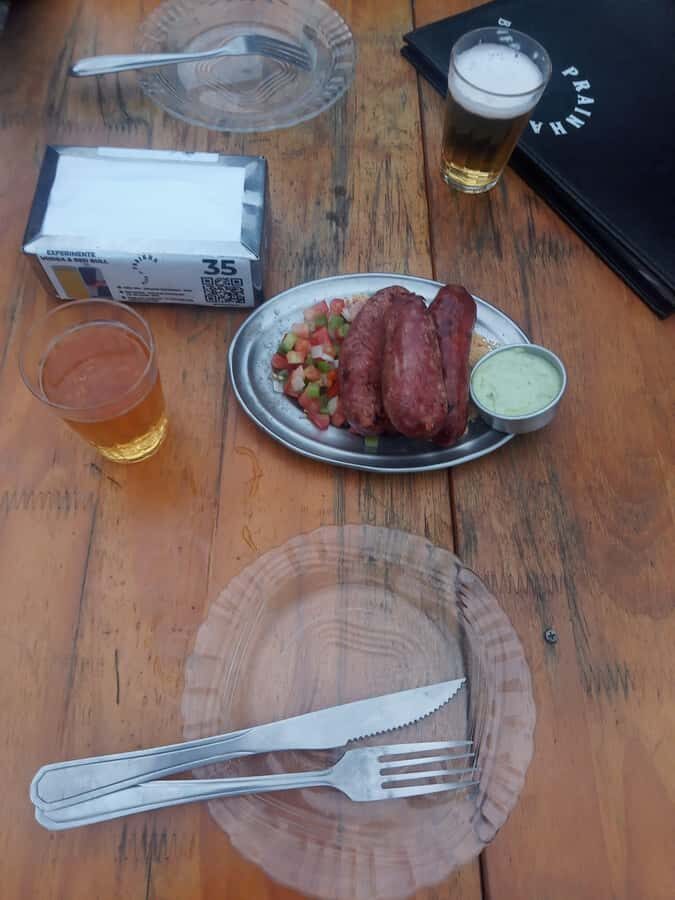
What you get: a tour guide service with an online booking service.
What you don’t get: food and beverage, transportation, and souvenirs.
That changes how you should plan your day. You’ll likely want to eat before or after, not during the tour. And since there’s no transportation included, you need to get yourself to the downtown meeting point on your own.
Also, bring your paperwork. ID is mandatory, and they mention that a copy is mandatory too. That’s the kind of detail that can ruin your start if you ignore it.
If you’re traveling with kids, the discount structure is clear: 5–10 years old pays half price, and younger kids (0–4) can be free on a parent’s lap. Still, keep in mind this is a historical walk with emotional moments and listening time. It can be a good education outing, but it’s not a playground style tour.
One more practical point: the minimum group size is 2. If you’re traveling alone, the info says to contact before reserving. That’s worth doing so you don’t get stuck waiting or dealing with rescheduling.
How the Tour Feels: A Respectful, Listening-Heavy Walk
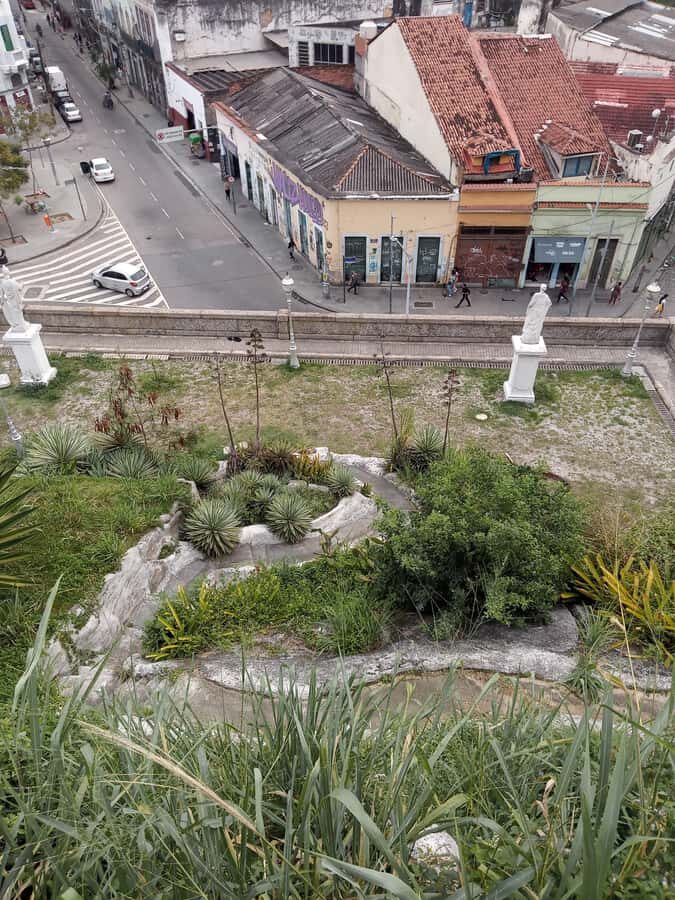
This is a tour where your success depends on one thing: attention. The route runs through historical areas where the guide’s remarks do the heavy lifting. If you’re the type who wanders, takes calls, or half-listens, you’ll miss the best part.
Expect a mix of factual context and emotional impact. The guide isn’t just telling you what happened; they’re helping you understand the significance of where you are. That’s why people often get emotional.
If you want a gentle, casual stroll, this isn’t it. But if you want to understand Rio from a different angle—one shaped by African arrival and black heritage—this tour can land hard in the best way.
Should You Book Little Africa?
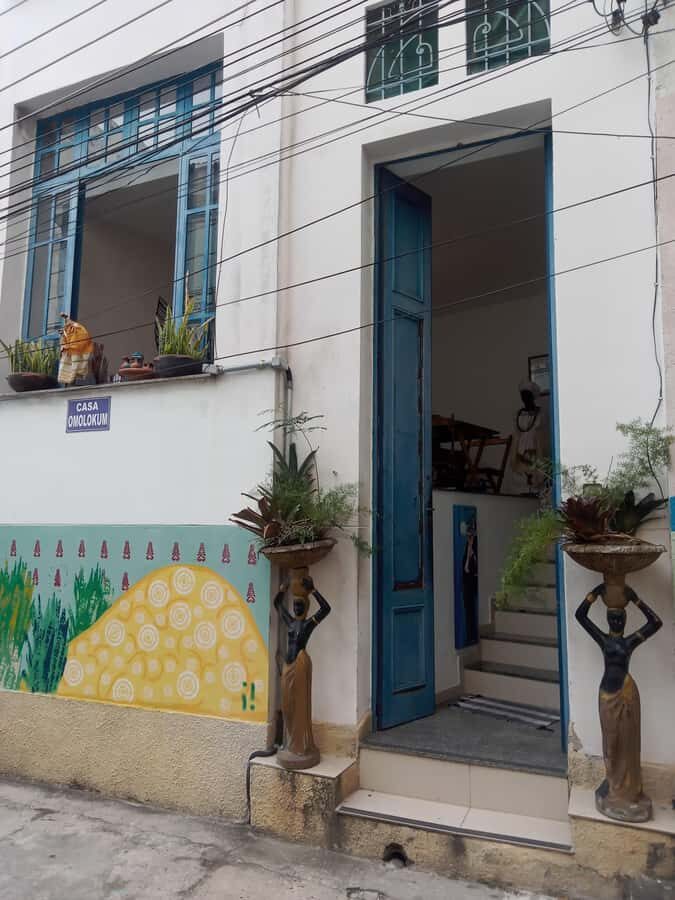
I think you should book if you want a guided walking experience that connects African arrival to Brazilian identity through black heritage, culture, and a forward-looking theme. It’s also a strong pick if you care about clarity and you’re booking in a language you feel comfortable following.
Don’t book if you need a low-effort tour where you can mostly look around without listening, or if you know you struggle with spoken English in group settings. Reviews show language clarity can swing.
Here’s my decision checklist:
- If your language comfort matches your guide option (English/Pt/Spanish), you’ll likely get a lot out of it.
- Budget for the stated US$32 + R$160, and be ready for a possible extra museum fee at one stop.
- Bring ID.
- Go in expecting emotions, not just sightseeing.
FAQ
How long is the Little Africa walking tour?
The tour lasts 3 hours.
Where does the tour meet?
The meeting point is in the downtown of Rio de Janeiro.
What languages are available for the tour guide?
The live tour guide offers English, Portuguese, and Spanish.
Is food or transportation included in the price?
No. Food and beverage and transportation are not included.
Do children get a discount?
Yes. Children from 05 to 10 years old get a 50% discount, and children from 00 to 04 years old are free on the parent’s lap.
What is the cancellation policy?
You can cancel up to 24 hours in advance for a full refund.