REVIEW · RIO DE JANEIRO
Hiking in the Tijuca Forest : Waterfalls and Caves
Book on Viator →Operated by RIOTRIPS · Bookable on Viator
Rio gets a rainforest upgrade. This guided hike takes you into Tijuca National Park, the world’s largest urban rainforest, with waterfalls, light-to-moderate trail time, wildlife spotting, and big viewpoint payoffs. You start with sweeping views at Mirante das Canoas, then move deeper into the Atlantic Rainforest with a guide who connects what you see to the park’s ecosystem.
What I like most is how smooth the logistics feel: air-conditioned round-trip transport and hotel pickup from Copacabana, Ipanema, Leblon, and San Conrado. I also like the mix of stops, from iconic scenery like Taunay Waterfall to quieter moments like the Bat Cave, so you get more than just one type of attraction.
The only real consideration: the day involves uneven, mostly natural trails and some time near water. If bugs bother you, plan for it, too, since at least one participant reported painful black-fly bites around a waterfall stop.
In This Review
- Key highlights I’d plan around
- Mirante das Canoas: a fast start with serious Rio views
- Tijuca National Park: the world’s largest urban rainforest (and why that’s cool)
- Taunay Waterfall: Cascatinha Taunay is worth the effort
- The light-to-moderate hike: trail time that doesn’t drag
- Wildlife spotting along the way
- The Bat Cave stop: a quick, memorable detour
- Forest cascades and viewpoints: the day stays varied
- Chinese View Lookout and Emperor’s Table: the payoff over Rio
- Guides and group size: why it feels personal (up to 15 people)
- Getting there comfortably: hotel pickup and air-conditioned transport
- Price and value: is $62 fair for this mix?
- What to bring for waterfalls, caves, and insect risks
- Should you book this Tijuca Forest hike with waterfalls and caves?
Key highlights I’d plan around
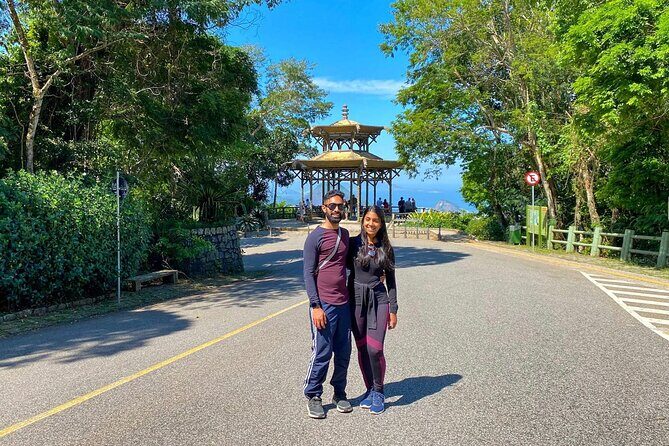
- Mirante das Canoas views over São Conrado to set the mood before you hike
- Taunay Waterfall (Cascatinha Taunay), the park’s biggest and most iconic fall
- Small-group hike (max 15) with an experienced, passionate natural-attractions guide
- Bat Cave stop for a change of scenery from open forest paths
- Chinese View Lookout and Emperor’s Table to end with panoramic Rio views
- Wildlife chances like monkeys, marmosets, toucans, coatis, and even a reported sloth
Mirante das Canoas: a fast start with serious Rio views
The tour begins at Mirante das Canoas, which is one of those lookouts that makes you understand why people obsess over Rio’s geography. From here, you get wide views across São Conrado and the surrounding hills, which helps you “map” the city before you ever enter the trees.
This matters because Tijuca can feel like a whole different world once you’re hiking. Starting with viewpoints gives you a reference point for what’s happening around you—mountains, neighborhoods, and the way the coastline shapes the skyline.
Also, it’s a nice warm-up. You’re awake, oriented, and ready for the forest before the pace turns physical.
You can also read our reviews of more hiking tours in Rio de Janeiro

Tijuca National Park: the world’s largest urban rainforest (and why that’s cool)
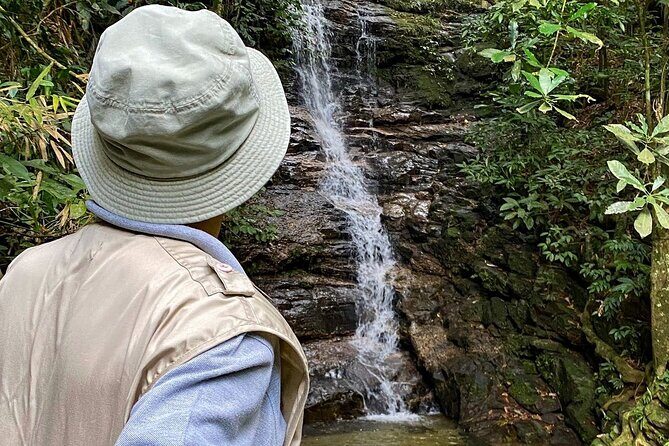
Once you’re in Parque Nacional da Tijuca, the tour turns from “sightseeing” into “nature with context.” Tijuca National Park is famous as the world’s largest urban rainforest, and the guide brings that to life by explaining how the ecosystem works and why this patch of forest matters to the city.
Expect the experience to feel like a walk through the Atlantic Rainforest with guided interpretations along the way. The guide’s job isn’t just pointing at plants; it’s helping you notice patterns—how the forest changes with elevation, how animals and birds fit into the food web, and why the forest thrives where it shouldn’t.
If you like learning without sitting in a classroom, this kind of guided nature focus is one of the best uses of your time in Rio. It turns a hike into something you’ll remember.
Taunay Waterfall: Cascatinha Taunay is worth the effort
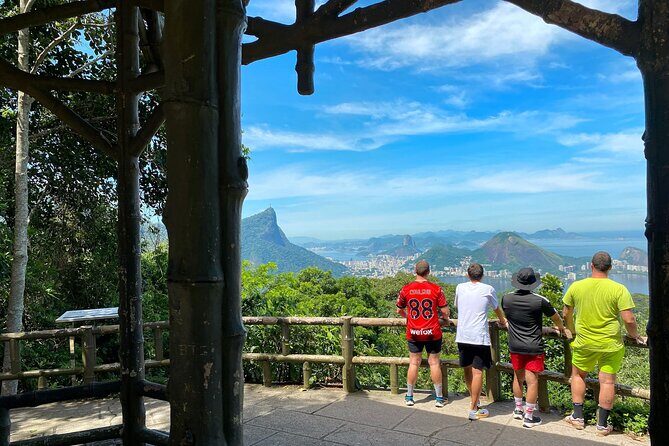
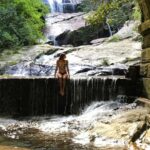
Next comes Taunay Waterfall (Cascatinha Taunay), described as the largest waterfall in the park and one of the most iconic landmarks. This is where the tour earns its name: you’re not just passing by pretty scenery. You’re getting up close to one of Tijuca’s signature sights.
Because the stop involves water and forest shade, it can feel cooler and more humid than the lookout areas. That’s a welcome shift after the initial city-to-forest transition.
One practical caution from the experience: if you’re sensitive to insects, be ready. A participant reported getting bitten badly by black flies when going into a waterfall area, with swelling and blisters that lasted days. You can’t control the forest bugs, but you can control what you wear and whether you come prepared with repellent and long-enough clothing.
The light-to-moderate hike: trail time that doesn’t drag
After the big waterfall moment, you’ll move into a guided hike through forest paths. The pacing is “light-to-moderate,” which is a helpful label because Tijuca trails can vary from easy ground to rough, rocky steps.
In practice, the best way to think about this section is: it’s short enough to feel doable, but natural enough to feel real. One review described the route as mostly primitive trail and clocked around 4.5 miles, with a mix of waterfalls, a quiet cave stop, and some light rock climbing described as not too technical.
That’s ideal if you want movement and scenery without committing to a full-day expedition. Just don’t expect paved surfaces or flat, stroller-friendly walking.
Wildlife spotting along the way
The hike is also built around animal-spotting opportunities. Your guide looks out for possibilities like monkeys, marmosets, toucans, and coatis. Another highlight: one group reported seeing a sloth in addition to monkeys.
My advice here is to stay flexible. In a rainforest, sightings depend on timing and chance. But the upside is that you’ll be walking through the exact habitat where those animals are most likely to show up, and a good guide can help you focus your eyes instead of just hoping.






The Bat Cave stop: a quick, memorable detour
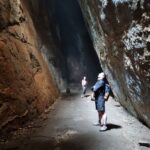
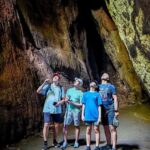
One of the tour’s more distinctive moments is the Bat Cave visit. It’s not the kind of stop you see on standard city bus tours, and it breaks up the hike with a change in atmosphere.
You should expect it to be more of a stop-with-context than a long spelunking session. The main value is novelty plus perspective: you’re still in the same forest system, but you’re experiencing a different kind of space—one shaped by animals and the forest’s darker side.
If you like surprises built into a walk, this cave stop is a strong reason to pick this specific tour instead of a generic “Tijuca highlights” route.
Forest cascades and viewpoints: the day stays varied
Between the major landmarks, the tour includes time at forest cascades and natural viewpoints. That variety is what keeps the day from feeling repetitive. You get different textures of the same rainforest—open sightlines at lookouts, cooler shaded zones near water, and forest paths that feel more enclosed.
This is also where your guide’s role matters. A nature-focused guide helps you notice small things—birds, plant textures, and the way light shifts under canopy—so the hike becomes a sequence of observations rather than a single long trek.
And because the tour ends with major lookouts, these in-between stops feel like “breathers” rather than random add-ons.
Chinese View Lookout and Emperor’s Table: the payoff over Rio
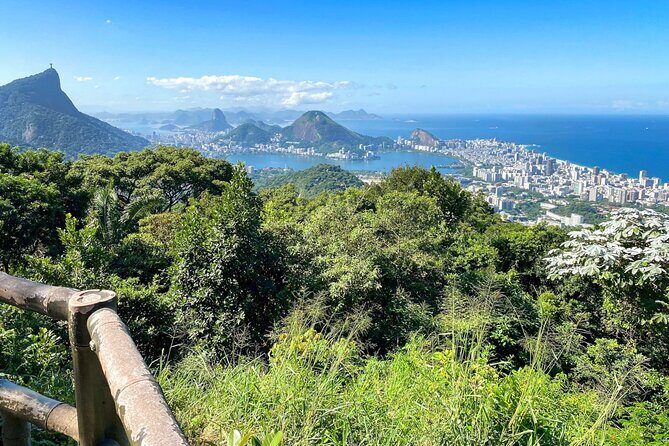
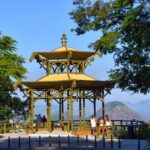
The final stretch is all about payoff: you’ll finish at the Emperor’s Table and the famous Chinese View Lookout. This is where your body has done the work, and your reward is panoramic scenery across Rio’s neighborhoods, mountains, and coastline.
End-of-tour viewpoints are smart on a practical level. Your eyes are fresh enough to appreciate the landscape, and you’re in the right mindset—today’s route is now “connected” to what you saw at the start.
If you care about photos, this is the time. If you don’t, it still lands as the emotional capstone: the rainforest hike turns into a skyline moment.
Guides and group size: why it feels personal (up to 15 people)
The tour runs with a maximum of 15 travelers, which keeps things from turning into a crowd shuffle. Smaller groups also make it easier for your guide to adjust pace, check on footing, and explain what you’re seeing without talking into the void.
Guide quality is a recurring theme. Different names show up across the experiences: Yun is praised for immense knowledge and perfect English; Eduardo is described as energetic, fun, and highly knowledgeable; Victor gets credit for solid timing and finding hidden spots; Julio and Eric also receive strong mentions for friendliness, speed in pointing out interesting details, and strong viewpoints.
Multilingual touring is included, so you should expect interpretation to be part of the experience, not an afterthought.
Getting there comfortably: hotel pickup and air-conditioned transport
This is one of the easiest Rio nature tours to slot into your plans because you don’t have to navigate to the start point on your own. You get round-trip transportation by air-conditioned vehicle, with pickup from Copacabana, Ipanema, Leblon, and San Conrado.
That matters more than you might think. In Rio, getting in and out of neighborhoods can eat time. Here, the transport is part of the experience design, so you can start hiking without a logistical headache.
The tour runs about 5 hours, which also helps. It’s long enough to feel like you actually escaped the city, but short enough to still have your afternoon free.
Price and value: is $62 fair for this mix?
At $62 per person for about 5 hours, you’re paying for more than a trail walk. The included items are doing real work in your favor:
- An experienced guide specializing in natural attractions
- Tickets/entrance fee for Tijuca National Park
- Hotel pickup and round-trip transport in an air-conditioned vehicle
- A multilingual tour format
What’s not included is snacks, food, drinks, and any extra charges. So the honest math is: you’re buying a guided, ticketed, organized nature day that also covers transportation. For Rio, where independent logistics can be a hassle, that’s usually where “value” comes from.
The main “price consideration” is that one participant felt it was a bit expensive for what was included. My take: if you prefer self-guided hikes and don’t care about interpretation, you might question the cost. But if you want a knowledgeable guide, built-in stops, and a smooth return to your hotel, $62 starts to feel more reasonable.
What to bring for waterfalls, caves, and insect risks
Since this is a forest day with water stops and natural trails, pack like you’re going to be outdoors for real. At minimum, plan for:
- Shoes with grip for rocky, uneven paths
- A light layer you can handle in shade and humidity
- Bug protection, especially if you’re sensitive around waterfall areas
- Water and snacks, since they aren’t included
If you tend to get bitten easily, don’t underestimate the forest. One review described black flies ruining the waterfall moment for a couple. That doesn’t mean your day will go that way, but it’s a clear signal to come prepared.
Bring a camera too. Between lookouts and waterfall backdrops, you’ll have plenty of “why did I wait so long to do this” photo moments.
Should you book this Tijuca Forest hike with waterfalls and caves?
If you want a smart, guided taste of Tijuca without spending a whole day organizing transport and park logistics, this is an easy yes. The combination is strong: big waterfall time, forest hiking, a Bat Cave stop, and end-of-tour viewpoints like Chinese View Lookout and Emperor’s Table.
I’d especially recommend it if you:
- Like nature guides who explain what you’re seeing
- Want a balance of exercise and sightseeing
- Prefer a small group with up to 15 people
- Want hotel pickup from major Rio beach neighborhoods
Skip it or choose extra caution if you:
- Are very sensitive to insect bites, since waterfall zones can be a problem
- Hate uneven terrain or need a very flat walking schedule
Overall, this is the kind of Rio outing that makes the city feel bigger than just beaches and views. One day in Tijuca gives you forest, wildlife chances, caves, and skyline payoff in a tidy 5-hour window.