
REVIEW · RIO DE JANEIRO
Discovering the Culinary Soul of Old Rio
Book on Viator →Operated by Culinary Backstreets Walks · Bookable on Viator
Old Rio tastes like a story you can eat. This 6-hour walking food tour threads Portuguese, Arab, and Afro-Brazilian stories through classic streets and landmarks, with lunch and museum-worthy stops along the way. I especially like the small group size and how the guide ties each bite to what shaped central Rio, but do consider that you’re outdoors for much of the day and weather can change the feel.
You’ll start at Carioca Clock in the Centro area and finish at Praça Mauá, which makes this a smart early-trip plan if you want to get your bearings fast. The price is $135 per person, and it tends to be popular (often booked well over a month ahead), so I’d rather you reserve early than gamble.
Two guides you might meet are Marco and Juliana, and the vibe from both is clear: history and food, explained in plain language, with real time for questions. The only real caution: if a national holiday affects opening hours, you may receive schedule updates, so it’s worth keeping an eye on messages close to departure.
In This Review
- Key Things You’ll Notice on This Old Rio Food Walk
- Starting at Carioca Clock: Hill Views, Old Faith, and Why This Matters
- Avenida Rio Branco: A Busy, Historic Street Without the Hard Sell
- Real Gabinete Portugues de Leitura: When Portuguese Books Become Rio’s Cultural Anchor
- Saara: Arab Diaspora Food, Souvenir Chaos, and Snack-Stop Reality
- Avenida Presidente Vargas: Getulio Vargas, Politics in Stone, and Why It’s Part of Food Culture
- Pedra do Sal: The Little Africa Story You Can Feel in the Walk
- Mauá Square and the Moqueca Finale: Your Big Bowl and Your Next Questions
- Price, Value, and Why $135 Can Actually Make Sense
- How the 6 Hours Works: Pace, Weather, and What to Bring
- If You Want This Tour, Who It Suits Best
- Should You Book This Old Rio Culinary Soul Tour?
- FAQ
- FAQ
- How long is the tour?
- What time does the tour start?
- Where do I meet the guide?
- Where does the tour end?
- What is the price per person?
- What’s included in the cost?
- Is private transportation included?
- How many people are in the group?
- Are admission tickets included for the sights?
- Is free cancellation available?
Key Things You’ll Notice on This Old Rio Food Walk
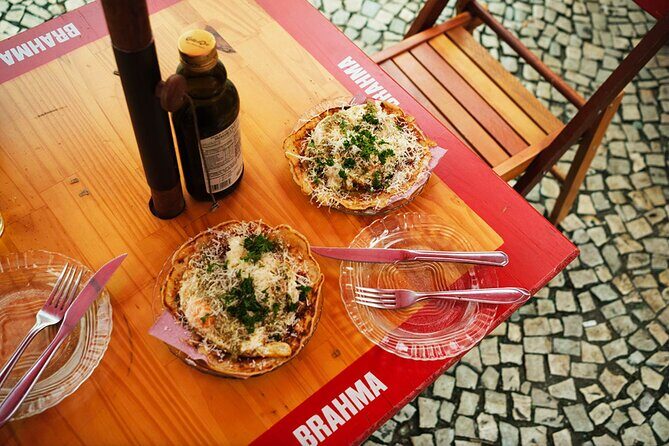
- A tight max group of 7 keeps the walk personal and the pacing workable
- Real Gabinete Portugues de Leitura brings Portuguese literature into Rio’s daily life
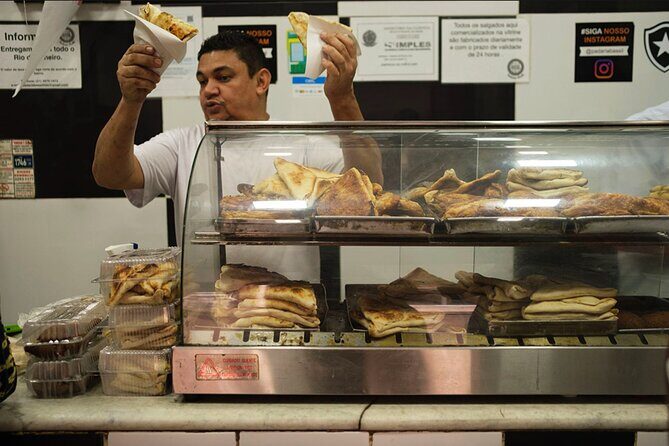
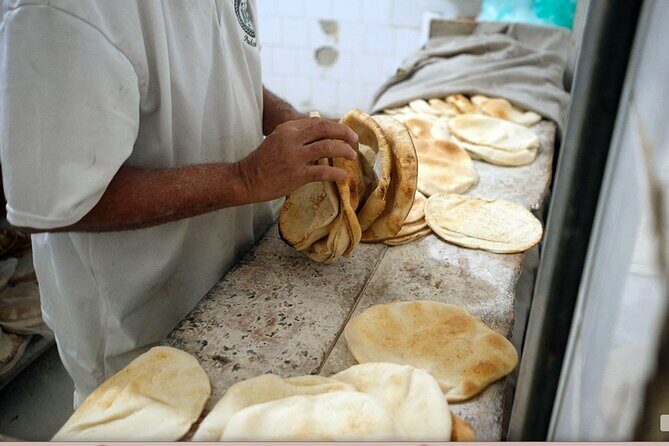
- Saara’s food options reflect Arab diaspora influences, including pastries you can actually taste
- Pedra do Sal’s Little Africa storytelling connects food to cultural survival and memory
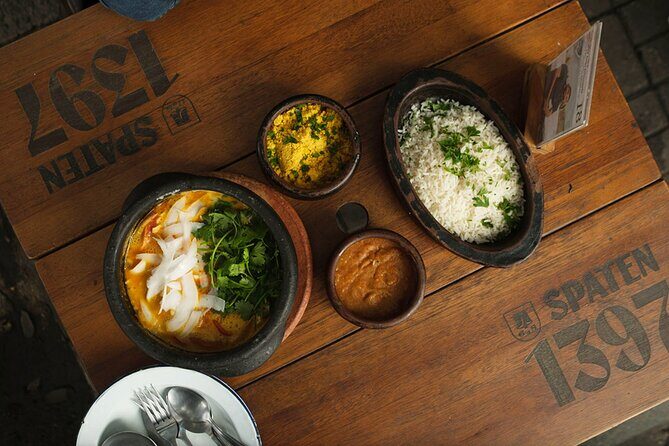
- Moqueca at the end is a standout payoff, with coconut milk and classic aromatics
- Lunch plus snacks plus coffee/tea means you’re not hunting meals all day
Starting at Carioca Clock: Hill Views, Old Faith, and Why This Matters
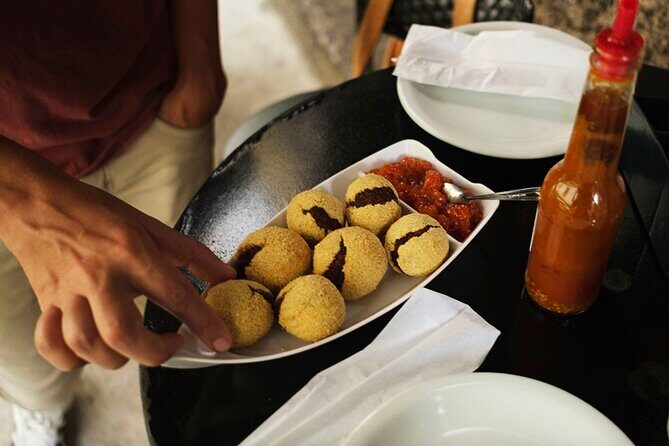
Your day kicks off near Carioca Clock, on Av. Nilo Peçanha, in the Centro neighborhood. Even before the food starts, the area helps you understand why old Rio became old Rio: it’s a crossroads of hills, religious institutions, and Portuguese influence, anchored by a site connected to the Franciscan Order and Saint Anthony Monastery.
This stop works for you in a practical way. It sets a mental map. You get a sense of how geography and power shaped where people lived, gathered, and ate. And because you’re also getting an admission-included visit here, it’s not just a photo break. You’re stepping into a place that explains Rio’s early layers rather than skating past them.
The biggest win: this isn’t history as theory. It’s history as context for why certain foods and communities took root in central Rio, then spread outward over time.
You can also read our reviews of more tours and experiences in Rio de Janeiro.



Avenida Rio Branco: A Busy, Historic Street Without the Hard Sell
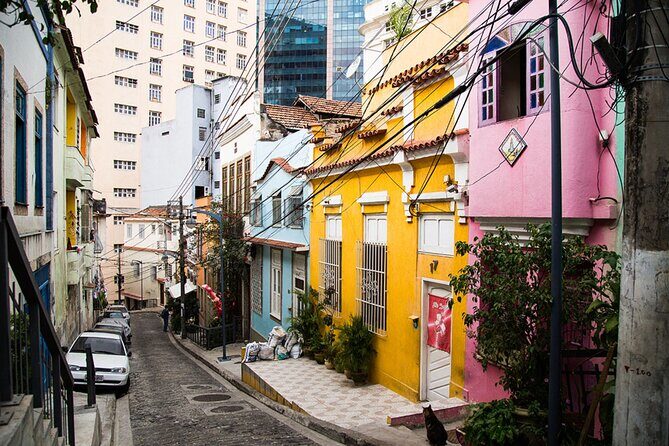
From Carioca Clock, you walk toward Avenida Rio Branco, one of the city’s defining boulevards. This is where Rio feels like Rio: motion, signage, and people flowing through a long, historic axis.
Here, admission is free for your stop, so the time is about watching and listening. The point isn’t to turn this into a lecture. It’s to recognize the shift from hill-and-monastery Rio to the more modern civic city: the kind of place where commerce, administration, and changing immigrant communities would bump into each other day after day.
What you should do: treat this as your reset point. Use the pause to spot storefront styles, street rhythms, and the mix of locals going about normal life. It makes the next cultural stops easier to understand, because you’re seeing Rio as a working city, not a museum.
Real Gabinete Portugues de Leitura: When Portuguese Books Become Rio’s Cultural Anchor
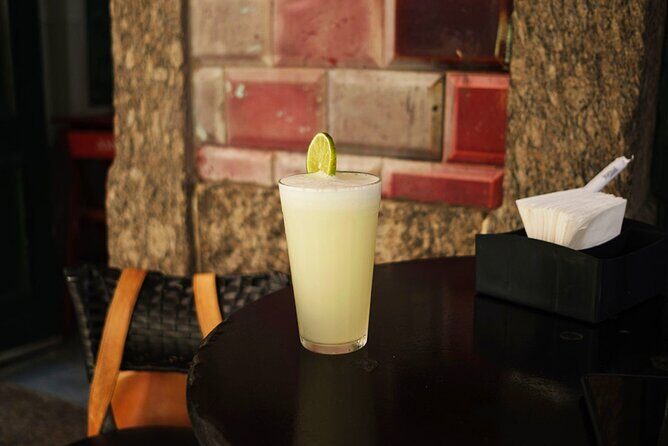
Next comes Real Gabinete Portugues de Leitura, often described as one of the most beautiful libraries in the world. Portuguese literature sits here in full display, outside Portugal, which makes the building more than a landmark. It’s a symbol of cultural continuity—how communities preserved identity while living far from home.
This is one of the key moments of the walk, and not only because admission is included. You’ll feel it in the atmosphere: a quieter, slower kind of space after the street energy. Even if libraries aren’t your main interest, you’ll get something useful from it—how immigrant networks shaped what Rio valued, read, and organized around.
If your guide is Marco, you’ll likely get a strong thread connecting culture and everyday life through the lens of food and community. If it’s Juliana, the explanation tends to hit fast and clearly, with lots of room for questions. Either way, this stop helps you see the Portuguese influence as living culture, not just an old chapter in a timeline.
Saara: Arab Diaspora Food, Souvenir Chaos, and Snack-Stop Reality

Then you shift to Saara, a market area known for cultural blending and a strong presence of restaurants influenced by the Arab diaspora. This is where you’ll appreciate that the tour isn’t only about sightseeing. It’s about feeding your senses.
Admission is included here, but the real prize is what you eat and how the guide frames it. One thing I’d take from this stop is the way pastries and neighborhood identity show up together. In at least one guided day, the Lebanese neighborhood angle and pastries were a highlight, which tells you what to expect: you’re likely to sample small items that taste like they belong to a larger culinary story.
What you’ll likely enjoy most is the variety. Instead of one heavy meal, you’re gathering flavors that can include savory bites and sweets. That matters because you’re still walking and visiting more sites after this.
A practical tip: pace yourself at Saara. The next stops still include cultural landmarks and another big meal. If you go too hard on sweets early, you’ll feel it later when the tour gets more substantial.
Avenida Presidente Vargas: Getulio Vargas, Politics in Stone, and Why It’s Part of Food Culture
Avenida Presidente Vargas is named for Getulio Vargas, the longest-serving Brazilian president. This stop is free for admission, which signals the focus: you’re learning how political life and urban planning intersected with everyday life in Rio.
Why you should care on a food tour: food history isn’t only ingredients and recipes. It’s also policy, labor, migration, and where people had access to goods. When the city reorganized power centers, it changed the flow of workers, money, and communities. That flow eventually shapes what restaurants can thrive, what ingredients become common, and what neighborhoods gain status.
This is also a good point for practical attention to your route. Avenida Presidente Vargas is the kind of long corridor where you may feel the city widen around you. Stay aware of crosswalk timing and group spacing. A max group of 7 helps here because you’re not swallowed by a crowd, but you still have to stay together.






Pedra do Sal: The Little Africa Story You Can Feel in the Walk
Now we hit Pedra do Sal, a place tied to the cultural hub of Little Africa. This is one of those stops where the guide’s words matter, because the story is about more than what happened. It’s about what survived—through religion, community, and rhythm.
Admission is included, and the time is built for listening. If you like your history grounded in lived experience, this is where you’ll get it. One guided day included learning about religion and the history of people connected to Little Africa, so you can expect the explanation to go beyond dates and into how culture functioned.
Pedra do Sal matters for your food understanding too. Afro-Brazilian culture isn’t a side note in Rio. It shaped tastes, music, celebrations, and community networks. When you’re later eating dishes with coconut, citrus, herbs, and bold aromatics, you’re tasting the long influence of communities that had to preserve identity under pressure.
Practical note: this is also a good place to pause mentally. By the time you reach Pedra do Sal, the tour has already moved through Portuguese influence and Arab diaspora food contexts. The shift to Little Africa gives you the full triangle of influences that shaped central Rio’s culinary soul.
Mauá Square and the Moqueca Finale: Your Big Bowl and Your Next Questions
Your last stop is Mauá Square (Praça Mauá). It’s a historic landmark, and it’s also where the food payoff really lands. Admission is included again, but the main reason you’ll remember this segment is the meal.
In one of the best described experiences, the final service included moqueca, a Brazilian fish stew. The details mattered: white fish with onions, garlic, bell peppers, tomatoes, cilantro, and coconut milk. That combination tells you a lot about how Rio cooks: aromatic base, fresh herbs, and coconut richness that balances the sea-forward flavors.
Even if you don’t normally order stew, moqueca is a smart choice after a day of small tastes. You’ve been collecting flavors all afternoon, and now your body gets something cohesive. It’s also a dish that makes the tour’s theme click: cultural mixing turned into something distinct and daily.
If you’re the type who asks questions, this is the moment to do it. Ask why certain ingredients show up where they do. Ask what the guide thinks you should try next in Rio based on the influences you learned today. You’ll likely leave with clearer instincts for what to order when menus start blending into each other.
Price, Value, and Why $135 Can Actually Make Sense
At $135 per person, this tour isn’t a bargain snack crawl. It’s a full 6-hour food and culture walk with lunch, snacks, and coffee/tea included, plus multiple site admissions along the way.
Here’s how I think about value for you:
- You get more than food. You’re paying for access to cultural places, including the Portuguese library and other ticket-in stops.
- You’re not paying for private transport. The walk structure and nearby public transit make it easier to budget the rest of your day.
- Small group size (max 7) keeps the experience from turning into a rushed conveyor belt, which is a big deal when you’re trying to actually learn and taste.
Also, this tour gets booked about 41 days in advance on average. That’s a signal of demand and a reason to plan ahead, especially if you’re visiting during busy seasons.
If you’re the kind of person who wants one day that sets the tone for the rest of your Rio meals, the price can feel fair because it replaces several separate decisions you’d otherwise have to make on your own.
How the 6 Hours Works: Pace, Weather, and What to Bring
This is a walking tour, and most of your time is spent moving between historic squares and streets. The day feels manageable for many people, and the group size keeps it from becoming a chaotic stampede.
Still, I’d plan for:
- Comfortable shoes (you’ll be on your feet for hours)
- Water and weather protection (one prior experience noted the tour was wonderful even with intermittent rain)
- A light appetite strategy for Saara, since you’ll get a bigger meal later
Weather can change the vibe but not the overall concept. If it rains, you’ll want to handle it practically with a jacket or poncho and keep your energy up for the next stop. The tour’s best days are the ones where you stay open and don’t treat every puddle like a disaster.
If You Want This Tour, Who It Suits Best
This tour fits you best if:
- You want to understand Rio through food plus place
- You like walking and small tastings that connect to history
- You prefer a guide-driven day with real meals rather than only bites
- You’re visiting central Rio and want a structured way to learn the neighborhood layers
It might not be your match if you hate walking or you need a fully seated experience. Also, if you’re extremely schedule-sensitive, keep in mind that national holidays can affect opening times, and you may receive messages close to the start.
Should You Book This Old Rio Culinary Soul Tour?
I’d book it if you want one day that mixes flavors, landmarks, and stories you can actually use when choosing what to eat later in Rio. The moqueca finale is a strong reason by itself, and the combination of Portuguese literary culture, Arab diaspora food, and Little Africa storytelling gives you a fuller picture than a standard “eat and walk” outing.
One last decision helper: book it early enough that you can adjust plans if a holiday affects timing. And if the idea of eating lunch while walking through central Rio sounds like your kind of trip, this is a smart, value-minded way to start.
FAQ
FAQ
How long is the tour?
The tour runs for about 6 hours.
What time does the tour start?
The start time is 10:00 am.
Where do I meet the guide?
You meet at Carioca Clock, Av. Nilo Peçanha, 350-374 – Centro, Rio de Janeiro – RJ, 20010-020, Brazil.
Where does the tour end?
The tour ends at Praça Mauá, Rio de Janeiro – RJ, Brazil.
What is the price per person?
The price is $135.00 per person.
What’s included in the cost?
It includes snacks, lunch, and coffee and/or tea.
Is private transportation included?
No, private transportation is not included.
How many people are in the group?
The group size is capped at a maximum of 7 travelers.
Are admission tickets included for the sights?
Admission tickets are included for some stops, while others are free. For example, Carioca Clock, Real Gabinete Portugues de Leitura, Saara, Pedra do Sal, and Mauá Square include admission, while Avenida Rio Branco and Avenida Presidente Vargas have admission free.
Is free cancellation available?
Yes. You can cancel for a full refund up to 24 hours in advance of the experience’s start time.