
REVIEW · RIO DE JANEIRO
1 Hour Samba Class in Rio de Janeiro
Book on Viator →Operated by RIO PASSEIOS EXPERIENCE · Bookable on Viator
A samba class in Rio is the easiest way to learn rhythm fast. This 1-hour lesson in Copacabana gives you structured warm-up work, then builds from basic syncopated steps into a fuller routine with teacher coaching, water, and lots of chance to practice. I especially like the mix of body mechanics (hips, legs, arms) and music awareness, and I love that the class ends with time to dance with the group; one instructor named Isabella stands out for being patient and making you feel safe while you figure it out. One drawback to keep in mind: the class depends on smooth venue access, and there was at least one reported issue where a doorman didn’t let someone in on time.
If you’re staying in or near Copacabana, this is a very practical way to spend an evening (or anytime) without committing to a long, multi-stop tour. The group stays small (max 15), it’s offered in English, and you’ll get a confirmation at booking plus a mobile ticket. Just know there’s no food included, so plan to eat before or after.
In This Review
- Key Points I’d Highlight Before You Go
- Samba Class in Rio: How This 1-Hour Lesson Really Works
- Warm-Up to Routine: What You’ll Practice Step by Step
- Warm-up: Get your body samba-ready
- Basic samba steps: hips, legs, arms, and timing
- Building it up: more steps, more flow
- End of class: practice time with the group
- Instructor Quality: Why Patient Coaching Changes Everything
- The Copacabana Meeting Point: Location and Practical Access
- Price and Value: Is $85 for an Hour Worth It?
- Who This Samba Class Fits Best (And Who It Might Not)
- Small Group Size (Max 15): What You Gain
- What to Expect From the Music and Movement
- A Few Smart Tips Before You Go
- Should You Book This 1-Hour Samba Class in Rio?
- FAQ
- How long is the samba class?
- How much does it cost?
- Is the class offered in English?
- What’s included in the price?
- Is food included?
- Where is the meeting point in Rio?
- Can I cancel for a full refund?
Key Points I’d Highlight Before You Go
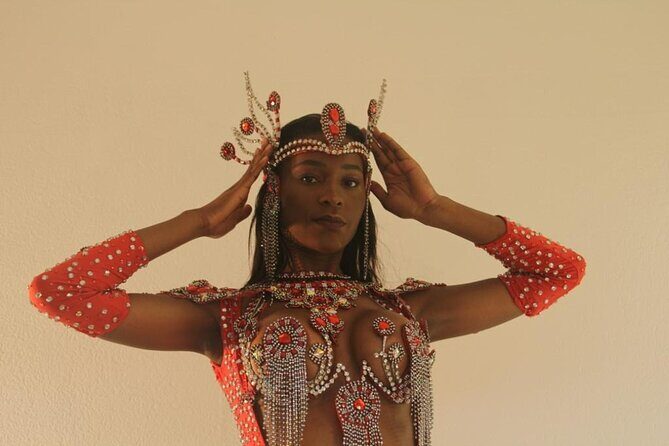
- One hour, real progression: warm-up, basic steps, then added moves until you can string it together.
- Technique coaching, not just repetition: expect guidance on fluid movement and how to connect with the music.
- Rhythm matters (a lot): samba is syncopated, so listening counts as much as stepping.
- Small group size: up to 15 people means you’re not lost in a crowd.
- Water is included: simple comfort, especially if you arrive warm or after walking.
- Copacabana location: meeting at Av. Nossa Sra. de Copacabana keeps it convenient for many stays.
Samba Class in Rio: How This 1-Hour Lesson Really Works
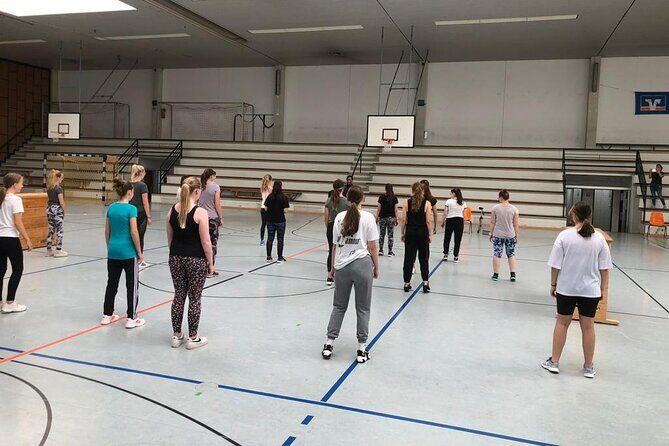
This class is built like a mini course. In an hour, you’re not going to become a samba star—but you will leave with something useful: step patterns you understand, movement that feels more natural, and the confidence to keep practicing on your own.
The session typically begins with a warm-up to prepare your body for the rhythm and the specific movements samba asks for. Based on how this class is described, that warm-up can include stretching, breathing exercises, and some loosening dance activities. I like this approach because samba uses more than your feet. Your hips, legs, and arms all have jobs, and a warm-up helps your body stop fighting the idea.
Then the teacher walks you through basic samba steps. You’ll practice a combination of hip, leg, and arm movements—while learning how to pay attention to the music. Samba is famous for being syncopated, meaning the beat hits in a way that can feel slightly off-balance at first. In a one-hour class, that’s exactly why the music connection is emphasized: if you match the timing, the steps suddenly make sense.
As the class moves forward, you add more steps and more advanced moves. The goal is to build a complete routine you can follow without freezing. Many people leave with a “now I get it” feeling, not because they mastered everything, but because they finally learned the order of actions and where the rhythm fits.
You can also read our reviews of more tours and experiences in Rio de Janeiro



Warm-Up to Routine: What You’ll Practice Step by Step
Here’s the flow I’d expect and what it means for you as a learner.
Warm-up: Get your body samba-ready
The warm-up is more than just stretching. The class description points to stretching and breathing, plus some loosening dance work. That combination matters. Breathing helps you stay relaxed when the rhythm speeds up in your head. Loosening movements reduce stiffness, especially around hips and shoulders—two areas samba strongly uses.
If you arrive already tense or stiff from sightseeing, this warm-up can feel like the reset button you didn’t know you needed.
Basic samba steps: hips, legs, arms, and timing
The core of the lesson is learning samba’s basic step combinations: hip action, leg movement, and arm positions working together. The key detail is that you must pay attention to the music. Samba’s syncopation means counting alone can get you in trouble. You’ll do better by listening first, then letting your body match the groove.
A simple way to help yourself: watch the teacher for the pattern, then switch your focus to the rhythm. If your feet know what to do but your upper body is late (or vice versa), you’ll feel awkward. The class structure is meant to stop that from happening.
Building it up: more steps, more flow
As you progress, the instructor adds more steps and advanced moves. This is where many one-hour classes either rush or stop. Here, the described approach is to build toward a routine rather than throw random moves at you.
You might also work on samba technique tricks and improvements, such as moving more fluidly, or practicing spins and jumps. Even if you don’t master the most advanced elements, practicing the basics of them usually improves your balance and confidence fast.
You can also read our reviews of more tours and experiences in Rio de Janeiro

End of class: practice time with the group
The session commonly ends with time to practice what you’ve learned and dance with the other students. That matters more than it sounds. In dance lessons, the fastest improvement often comes from repetition with music—plus watching other people get it wrong and recover. It’s a chance to socialize too, which can turn a stressful activity into a fun one.
Instructor Quality: Why Patient Coaching Changes Everything
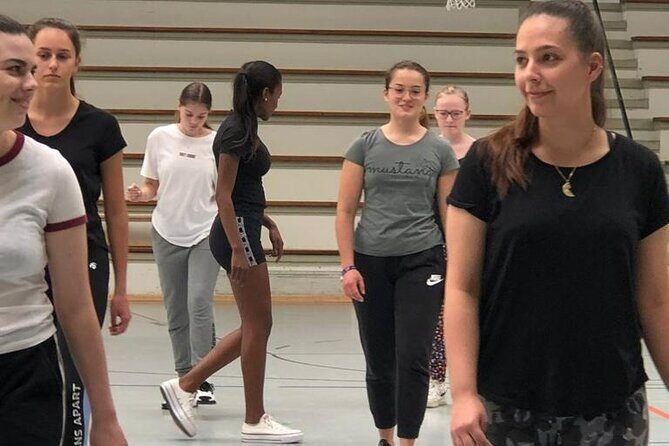
The teaching style matters in a dance class because samba can feel intimidating at first. One review called out an instructor named Isabella for being positive, bright, and patient, with an encouraging and safe presence. That kind of instructor energy can make a huge difference—especially if you’re worried about looking awkward.
Even if you’re an experienced dancer, samba has its own timing rules. A patient teacher helps you correct without humiliation. If you’re a first-timer, that support is even more important: you’ll learn faster because you’ll stay relaxed while you repeat the steps.
The Copacabana Meeting Point: Location and Practical Access
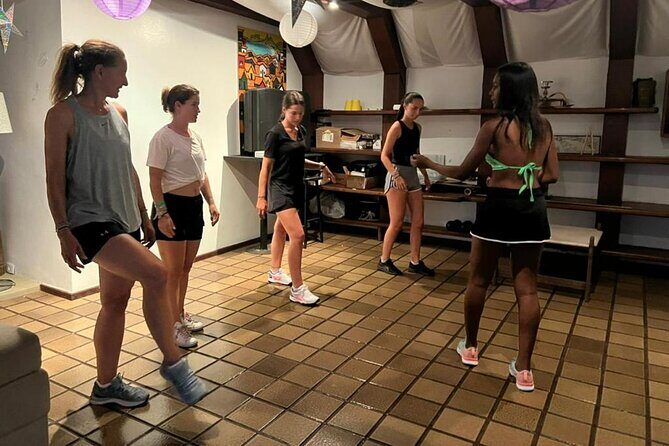
The meeting point is Av. Nossa Sra. de Copacabana, 457 in Copacabana (Rio de Janeiro). For many visitors, that’s a convenient area to access from hotels, beaches, and daily walking routes. The class is described as near public transportation, which helps because you’re spending less time thinking about logistics and more time focusing on your first samba session.
It also ends back at the meeting point, so you don’t need to plan a complicated follow-up ride. That’s a small thing, but it makes last-minute decisions easier—like booking the class the same day you decide to do something active.
One note from a less positive experience: there was a reported problem with access when someone arrived on time but was not let into the venue by a doorman who allegedly made a mistake. That’s not something you can control, but you can protect yourself by arriving a bit early, keeping your mobile ticket ready, and staying aware of the entrance details when you get there.
Price and Value: Is $85 for an Hour Worth It?
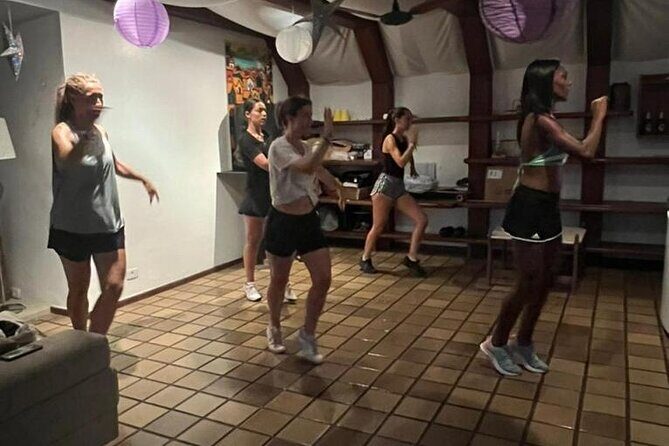
At $85.00 per person for about 1 hour, this isn’t the cheapest activity in Rio—but it does include what really costs money in a class: a samba teacher and instruction time. It also includes water, which sounds basic, yet it helps on a warm day when you’re moving.
Here’s how I think about value for a lesson like this:
- You’re paying for time with an instructor who can correct timing, posture, and coordination.
- You’re paying for a structured progression (warm-up → basics → added moves → routine).
- You’re getting a small group format (max 15), which usually means more interaction than a large group show-and-learn.
- No food is included, so plan that cost separately if you’re hungry after.
So who should treat this as a good deal? If you want a hands-on samba experience without committing to a full-day or multi-lesson program, this makes sense. If you’re only interested in watching from the sidelines, then it may feel expensive because you’re not buying a show—you’re buying instruction and practice.
Who This Samba Class Fits Best (And Who It Might Not)
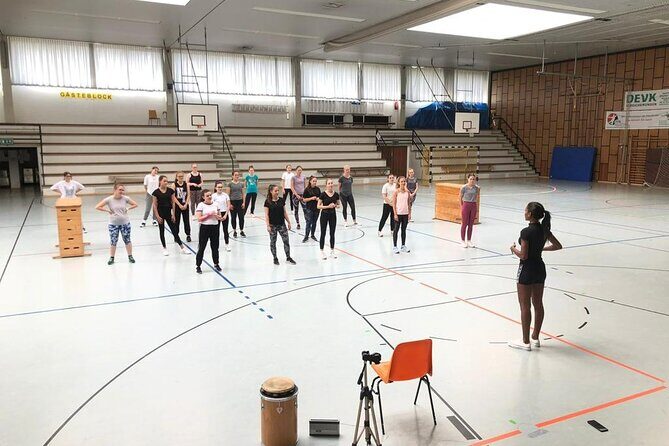
This class is described as suitable for most travelers, and it’s offered in English. That combination makes it a smart choice for tourists who want to feel included right away. If you’re traveling solo, the small group size can help you connect without needing a “meet people” activity.
It’s also a good pick if you’re:
- comfortable trying something physical for an hour
- curious about Rio culture beyond photo stops
- looking for a way to turn samba music you hear outside into actual movement you understand
Where it might not be ideal:
- If you want a long performance or a full concert experience, this is a lesson, not a show.
- If you struggle with coordinating multiple body parts at once, it may be frustrating at first—but a good, patient instructor can still make it workable.
Small Group Size (Max 15): What You Gain
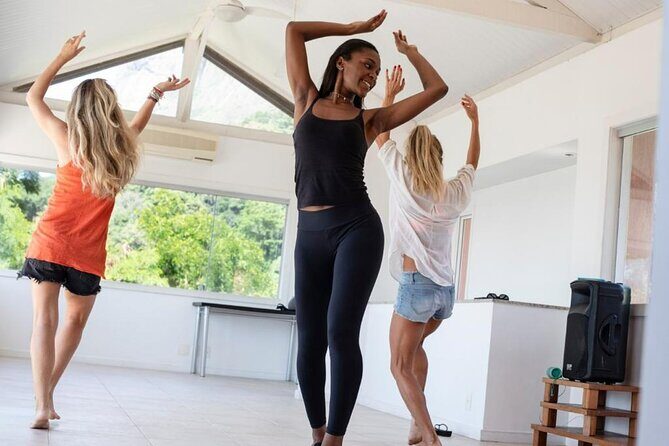
A maximum of 15 travelers changes the lesson feel. In larger groups, you often spend more time standing and trying to copy than learning. Here, the smaller limit suggests you’ll get more time in the practice cycle and more teacher attention when you need correction.
That’s especially helpful with samba’s core challenge: syncopation plus coordination. The teacher can point out what’s off—timing, hip action, arm placement—and you can adjust while the music is still in your head.
What to Expect From the Music and Movement
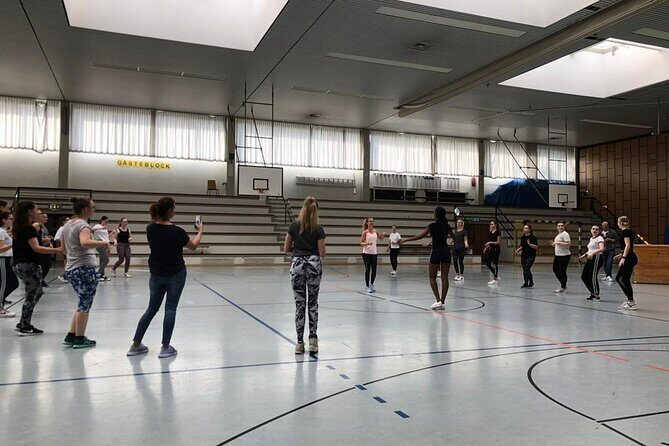
Samba can look effortless when someone else does it. In class, you’ll learn it’s not random. It’s pattern and timing—plus body control.
Expect to:
- listen closely to the rhythm
- focus on hip-led movement
- coordinate arms with your legs so you don’t feel stiff
- practice until a routine starts to feel like one connected action
The class also mentions spins and jumps as possible elements you might learn, along with technique for fluid movement and connecting deeper with the music. Even if you don’t nail every trick, practicing those foundations often improves the basic step look.
A Few Smart Tips Before You Go
These are practical moves that help you get more out of a one-hour class.
- Arrive early enough to find the entrance. There’s a real-world report of a door/access mix-up, so don’t treat arrival as optional.
- Wear comfortable shoes. You’ll be moving constantly, so avoid anything that feels unstable.
- Bring water in your mind, even if water is included. The class includes water, but it’s still good to pay attention to how hydrated you are before you start.
- Don’t overthink counting. Samba is syncopated; letting the beat guide you usually works better than trying to force strict counting.
- Plan food timing. There’s no food included, so eat beforehand if you tend to get distracted when hungry.
Should You Book This 1-Hour Samba Class in Rio?
If your goal is hands-on samba—learning basic steps, improving coordination, and leaving with a routine you can repeat—then yes, I think it’s worth booking. The class is time-efficient, English-friendly, and small enough that you can actually practice instead of just watch.
I’d especially recommend it if you’re in Copacabana and want an activity that turns Rio music into real movement. The biggest reason to book is the structure: warm-up to get your body ready, basics focused on hips/legs/arms with rhythm, added steps toward a full routine, and end-of-class practice with the group.
I’d only hesitate if you hate instruction that demands coordination, or if you’re arriving late and hoping logistics will work out magically. Samba is forgiving once you’re in the rhythm—but you’ll enjoy the class more when you can focus from minute one.
FAQ
How long is the samba class?
The class lasts about 1 hour.
How much does it cost?
The price is $85.00 per person.
Is the class offered in English?
Yes, the experience is offered in English.
What’s included in the price?
It includes the samba class, a samba teacher, and water.
Is food included?
No, food is not included.
Where is the meeting point in Rio?
You meet at Av. Nossa Sra. de Copacabana, 457, Copacabana, Rio de Janeiro, RJ 22050-002, Brazil. The activity ends back at the meeting point.
Can I cancel for a full refund?
Yes. You can cancel up to 24 hours in advance for a full refund.